
Movies & Film
-
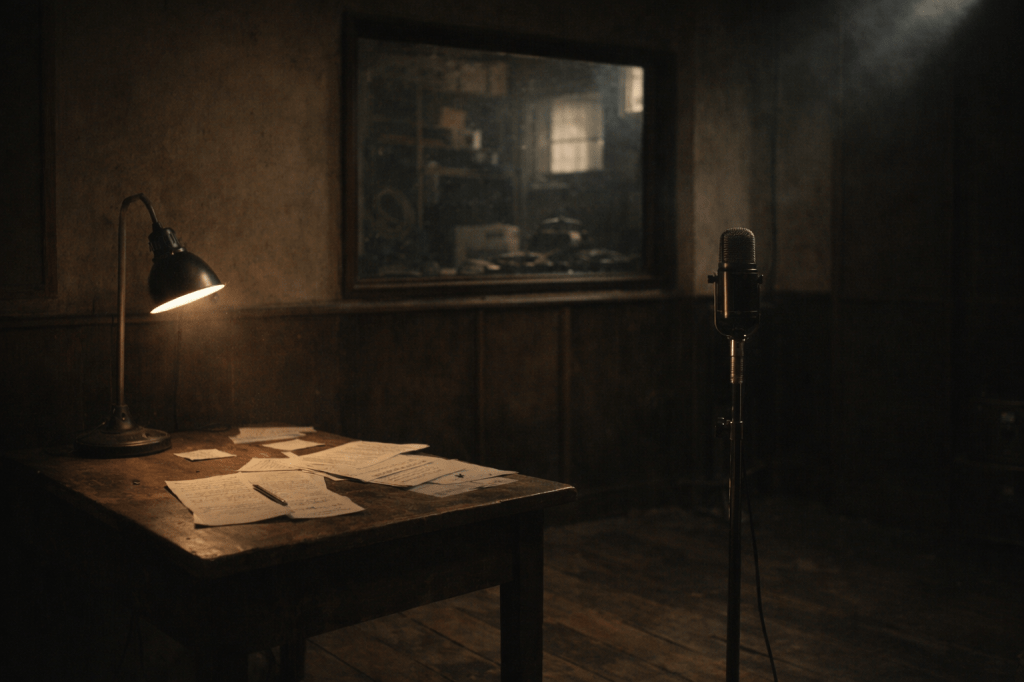
The Dub That Drifted Ashore: Disney’s ‘Snow White’ in German, 1938
In 1938, a cast of displaced performers gathered in an Amsterdam studio to record a German dub of Disney’s “Snow White.” Decades later, their voices quietly resurfaced on the Internet Archive — a fragile piece of film history that survived by accident, not design.
-
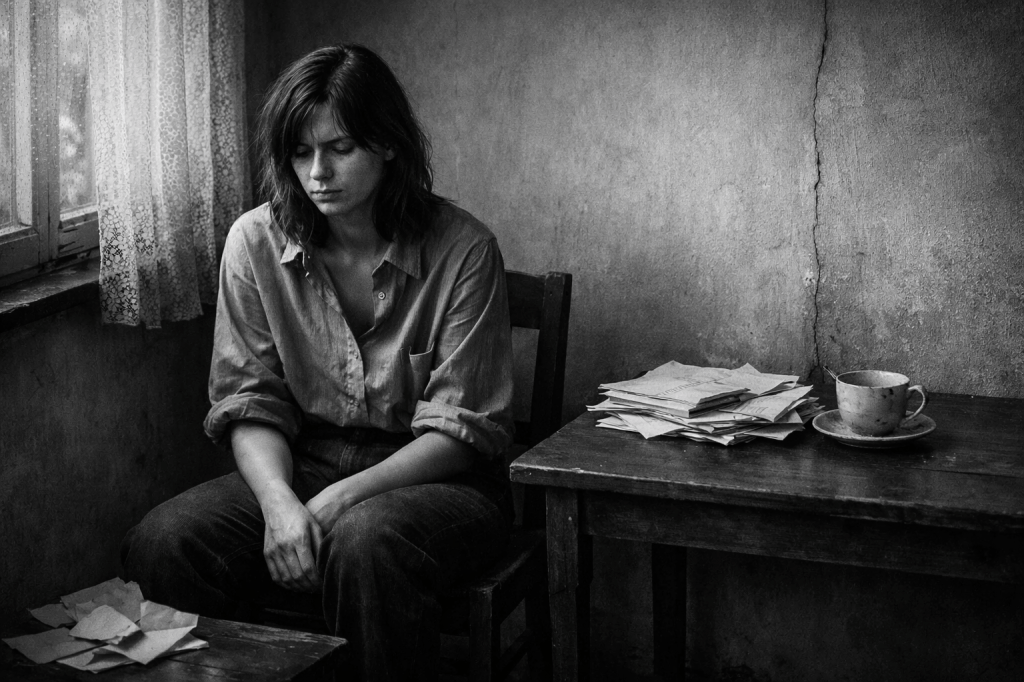
The Unwritten: Exploring What ‘Je Tu Il Elle’ Doesn’t Say
Chantal Akerman’s “Je Tu Il Elle (1974) is about loneliness and connection. It focuses on silence and small, everyday moments to explore intimacy in a raw, honest way.
-
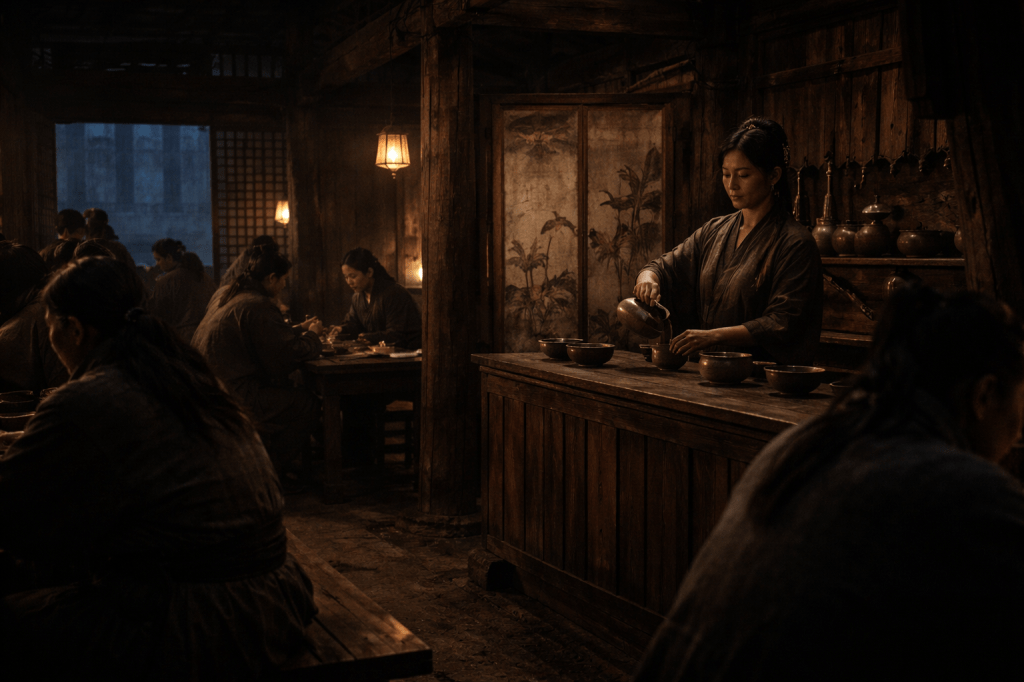
The Inn as a Battleground: Spaces of Suspense in “The Fate of Lee Khan”
In “The Fate of Lee Khan”, a remote inn becomes a stage for intrigue, deception, and survival, driven by an extraordinary cast of all-women heroes. Sharp-witted, resilient, and underestimated, they navigate a dangerous web of secrets and power. King Hu’s vision transforms the confined space into a masterclass in suspense and strength.
-
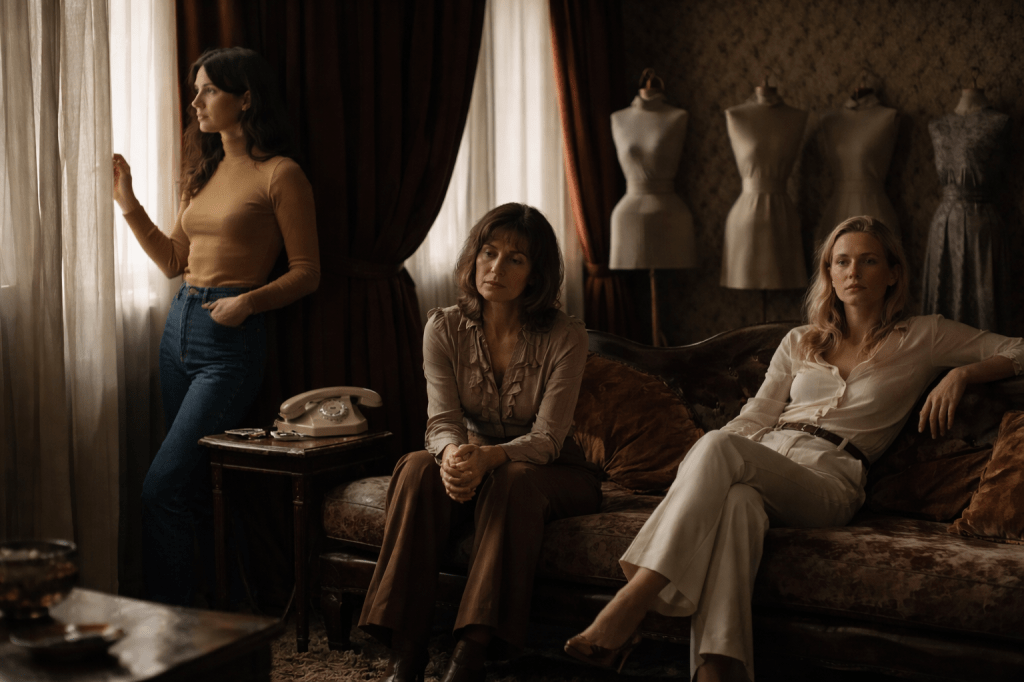
Love, Power, and Resistance: A Feminist Reading of ‘The Bitter Tears of Petra von Kant’
Rainer Werner Fassbinder’s 1972 film, The Bitter Tears of Petra von Kant (Die bitteren Tränen der Petra von Kant) is a masterclass in emotional power dynamics and gendered relationships, unfolding within the confines of a single room—a space both lush and claustrophobic, adorned with mannequins, heavy fabrics, and opulent furniture that suffocates.
-
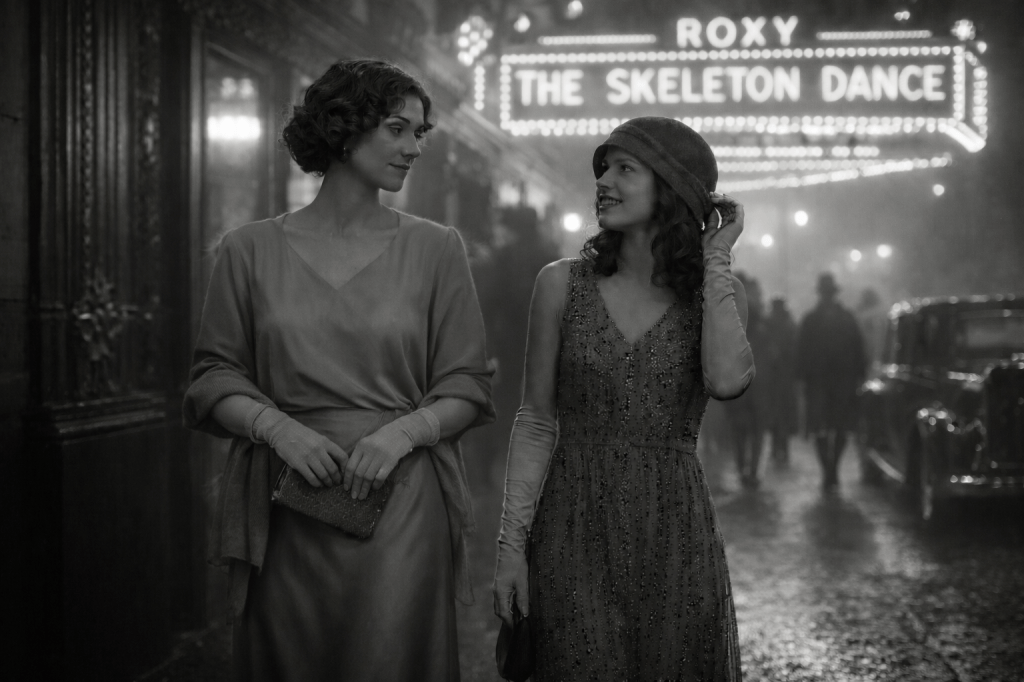
Uncovered: A Woman’s Account of Disney’s “The Skeleton Dance” in 1929
A forgotten diary, uncovered in the shuttered Roxy Theatre in New York City offers a vivid glimpse into 1929 Chicago and the premiere of Disney’s “The Skeleton Dance”. Through the eyes of Evelyn Harper, experience the wonder of a groundbreaking cartoon that turned skeletons into stars and redefined animation history.
-

Why Women Still Have to Explain Themselves—America Ferrera’s ‘Barbie’ Speech Says It All
In “Barbie”, America Ferrera delivers a monologue so raw and true it stops the film in its tracks. This isn’t just a moment in a movie; it’s a wake-up call. The real question is: Is everyone listening?
-

Embracing Independence: Alexandra’s Journey in ‘Playgirl’ (‘That Woman’, 1966)
In “Playgirl” (That Woman, 1966), Eva Renzi’s Alexandra Borowski embodies independence and quiet resilience. Against 1960s Berlin’s vibrant backdrop, she confidently navigates life on her own terms. Will Tremper’s film captures her authenticity and ambition, celebrating the timeless allure of carving a bold, unapologetic path and living authentically in every moment.
-

Why ‘Go Fish’ Feels Like Memory
An observational reflection on ‘Go Fish’ and its refusal of urgency or resolution. Scenes unfold mid-conversation, intimacy remains social, and meaning gathers quietly — a film that behaves more like memory than narrative.
-
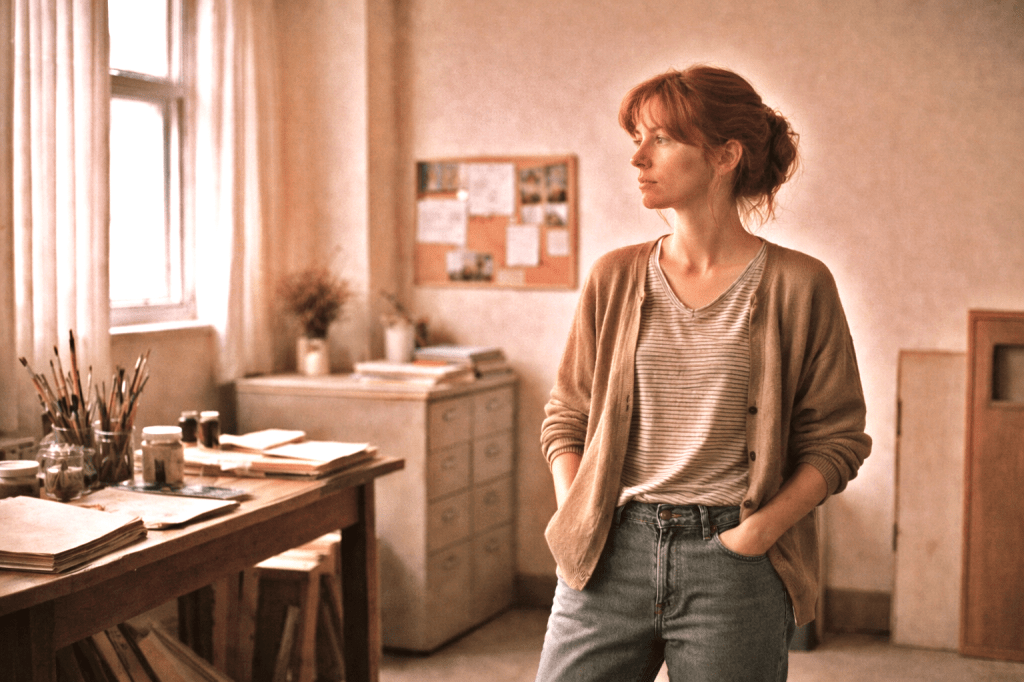
The Radical Power of Being Unremarkable in ‘I’ve Heard the Mermaids Singing’
—
A reflection on “I’ve Heard the Mermaids Singing” and the rare power of a protagonist who is not asked to improve, arrive, or become legible. An essay on restraint, interior life, and the freedom of being left intact.
-

The Timeless Anxiety of Waiting: ‘Cléo’ and the Art of Existential Cinema
In Agnès Varda’s “Cléo de 5 à 7” (Cléo de 5 à 7), the common experience of waiting is elevated into a compelling examination of self-identity, death and self-knowledge. With Cléo’s Parisian quest, Varda sculpts a tale so personal and deep it continues to challenge and amaze audiences for generations.
-
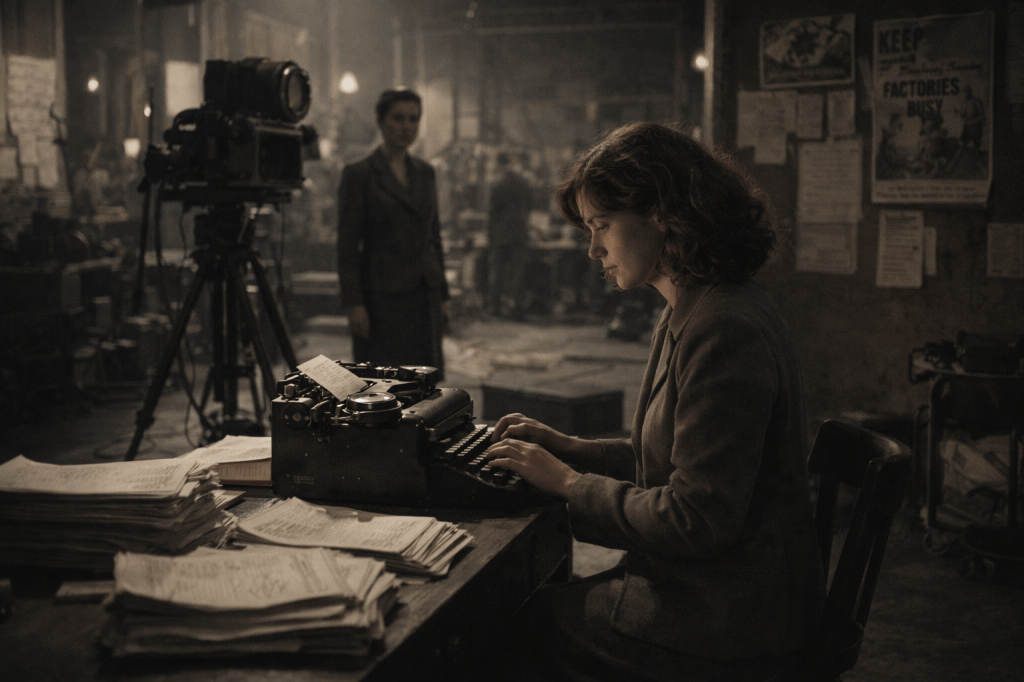
How ‘Their Finest’ Sheds Light on Women in Wartime Filmmaking
Lone Scherfig’s “Their Finest” highlights the struggles and triumphs of women in Britain wartime filmmaking, revealing how they fought for recognition in a male-dominated industry while shaping stories that inspired a nation.
-
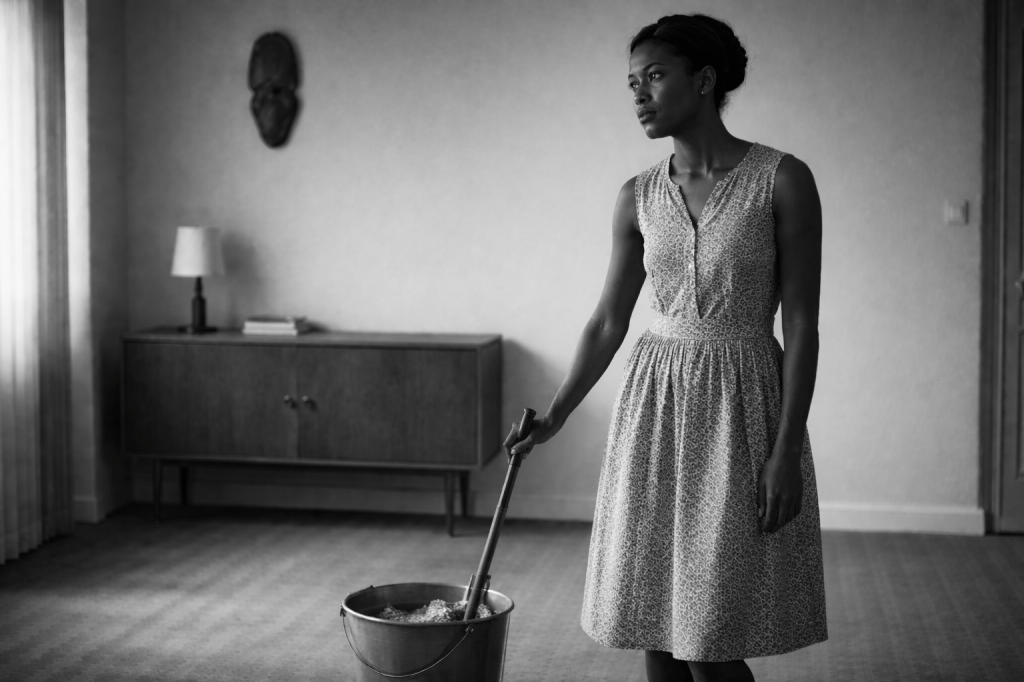
The Weight of a Glance: How ‘Black Girl’ Speaks Through Visuals
In Black Girl (1966), Ousmane Sembène crafts a quietly devastating portrait of isolation, resilience, and identity. Through Diouana’s gaze and stark surroundings, the film reveals the weight of cultural displacement and the silent strength of a woman navigating erasure. Explore how silence and imagery tell her story.
-
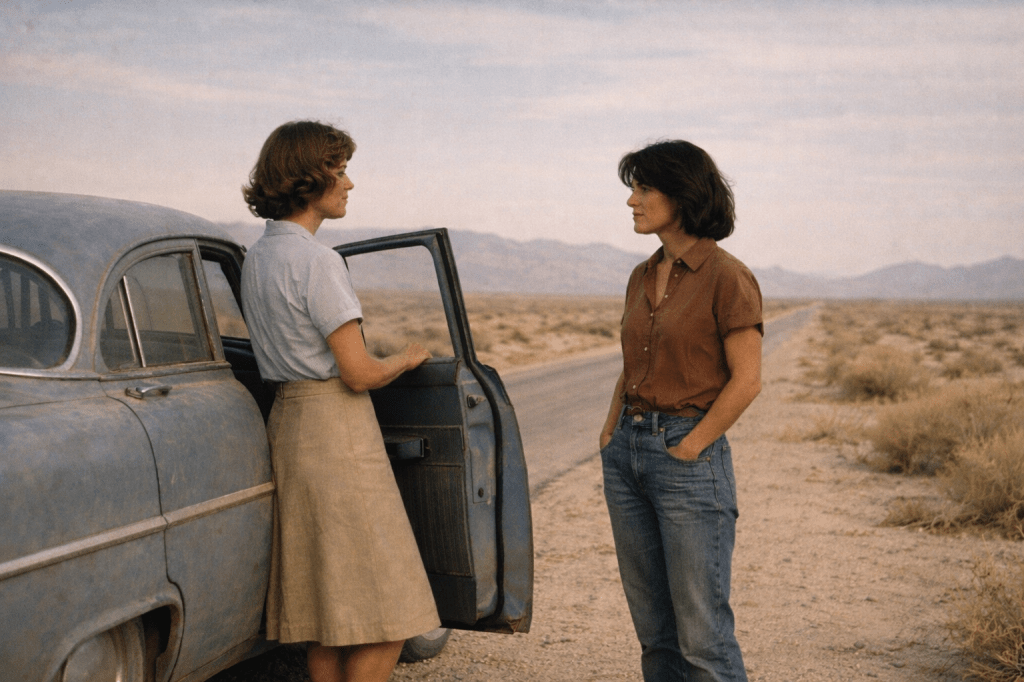
The Desert as a Character: How Landscape Shapes Desire in ‘Desert Hearts’
In Donna Deitch’s “Desert Hearts” (1985), love unfolds against the vast, untamed Nevada desert—a setting as transformative as the romance itself. Through moments like a rain-soaked kiss and a train station farewell, the desert becomes more than a backdrop; it’s a silent witness to courage, connection, and the quiet risks of love.
-

Blurring the Lines Between Fact & Fiction: Lessons from ‘The Watermelon Woman’
Cheryl Dunye’s “The Watermelon Woman” blurs the lines between fact and fiction, creating a story that feels both personal and universal. It’s a film about reclaiming erased voices and rethinking how history is told—proving that sometimes, the most powerful truths are found in the stories we create ourselves.
-

The Art of Observation: Painting as a Metaphor for Intimacy in ‘Portrait of a Lady on Fire’
Celine Sciamma’s “Portrait of a Lady on Fire” is a breathtaking study of intimacy, art, and belonging. In this essay, I explore its gentle grace, the intimate connection between its characters, and why it remains a statement of love, of memory, and of liberating wholeness resulting from lasting visibility.
-

Feminism and Anarchy: The Political Heart of ‘Daisies’
Věra Chytilová’s 1966 feminist and political masterpiece “Daisies” (Sedmikrásky) is a Czech New Wave classic that shatters societal norms and cinematic conventions. With its surreal imagery and rebellious energy, it boldly confronts gender roles, authoritarianism, and consumerism. Discover why its powerful message continues to resonate today.
-
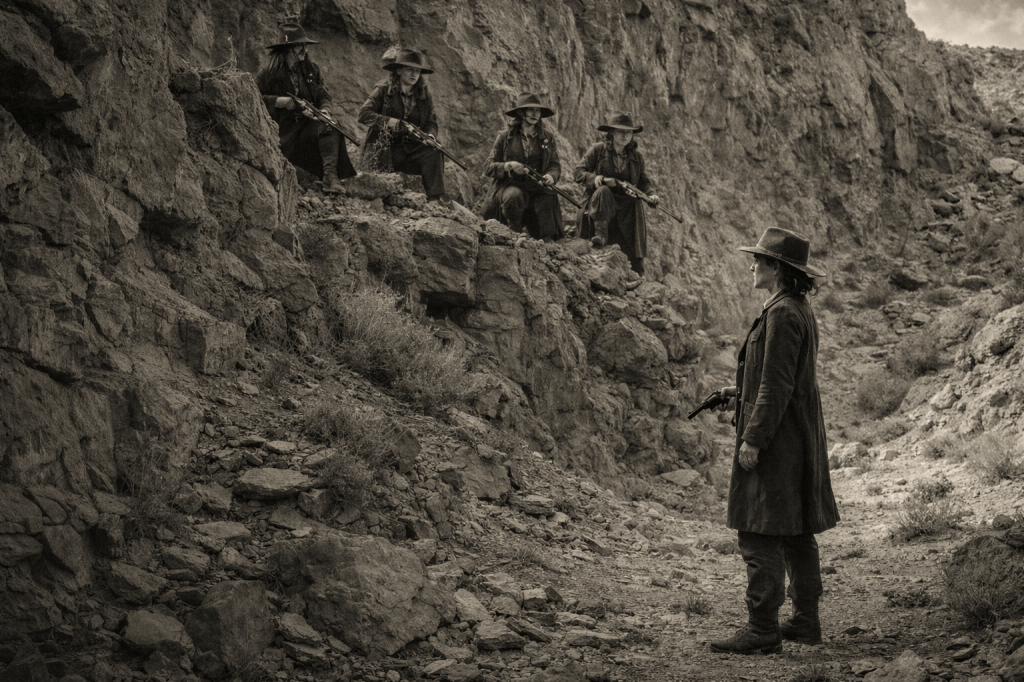
Rewriting the Wild West: If ‘The Great Train Robbery’ Starred Only Women
What if 1903’s The Great Train Robbery featured an all-women cast? Reclaiming the outlaw narrative, it would spotlight resilience, survival, and strategy. This bold reimagining challenges early cinema’s norms, inviting us to reflect on untold stories and the transformative power of representation in shaping the narratives we create and celebrate.
-
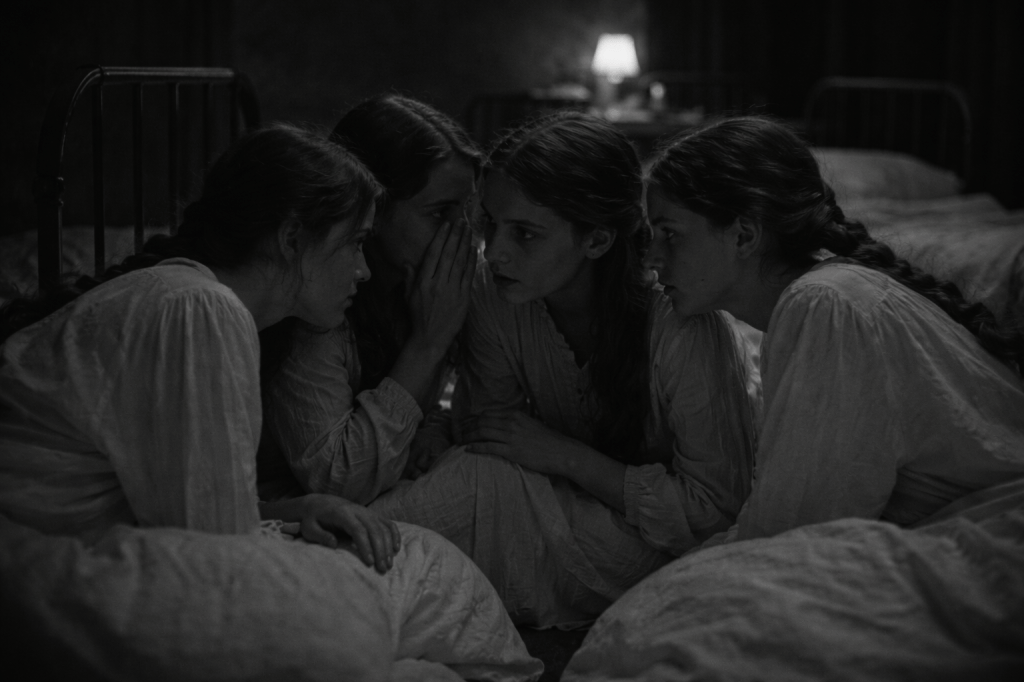
Sisterhood as Sanctuary: Community and Resistance in ‘Mädchen in Uniform’
Leontine Sagan’s “Mädchen in Uniform” (1931) shows how quiet moments speak volumes. Within the rigid walls of a Prussian boarding school, sisterhood becomes a sanctuary. Through shared laughter, rebellion, and care, the girls find strength in connection. This revolutionary film redefines resistance through the quiet power of community and compassion.
-

The Roads We Don’t Take: How ‘Summertime’ Captures the Weight of Choice
Catherine Corsini’s “Summertime” (2015) is a French film that explores love’s beauty and the weight of impossible choices. Set in 1970s France, it follows two women navigating passion, family ties, and self-discovery—a moving story of connection and sacrifice that stays with you long after the credits roll.
-
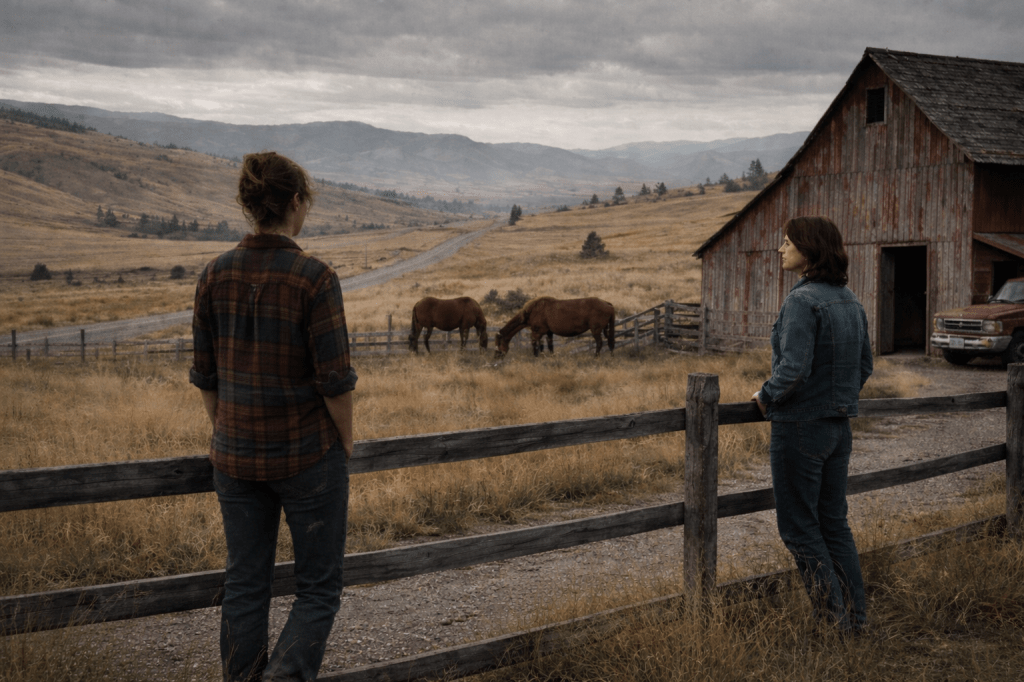
Fragments of Connection: An Ode to the Women in “Certain Women”
Kelly Reichardt’s “Certain Women” (2016) is a film that doesn’t explain itself—it simply unfolds, quietly and powerfully. It lingers in silences, in fleeting connections, and in lives shaped by solitude and resilience. It’s a story that stays with you, asking you to look closer, to feel more, and to truly listen.
-

“The Haunting”: Fear, Vulnerability, and the Shadows Within
Robert Wise’s “The Haunting” (1963) is a masterclass in psychological horror, blurring the line between supernatural terror and Eleanor Lance’s emotional turmoil. Explore the oppressive force of Hill House, Theodora’s rebellious defiance, and the film’s haunting ambiguity that compels us to confront the shadows within ourselves.
-

Momentum in Motion: How ‘The Way Things Go’ Reflects the Art of Storytelling
A quiet reflection on “The Way Things Go” and why its chain reactions feel so satisfying—how momentum, trust, and unseen structure mirror the art of storytelling itself. A reminder that when things are set in motion with care, inevitability can feel like magic.
-

A Love Letter to Imperfect Endings: What ‘Somebody I Used to Know’ Says About Closure
“Somebody I Used to Know,” starring Alison Brie, isn’t your typical romantic comedy. It’s a heartfelt exploration of closure, self-discovery, and what it means to embrace life’s imperfect endings. Dive into this moving story about revisiting the past and finding the courage to step into the unknown.
-

The Elegance of Silence: Why “Carol” Speaks Louder When It’s Quiet
Some films shout; “Carol” whispers. Todd Haynes’ 2015 masterpiece uses silence to speak volumes, capturing the unspoken connection between Cate Blanchett’s poised Carol and Rooney Mara’s shy Therese. With its quiet intimacy, lush 1950s aesthetic, and tender moments, Carol lingers in the heart long after the credits roll.
-

Zoom In, Zoom Out: Life Lessons from “Powers of Ten”
—
Perspective changes everything. Inspired by the Eames’ 1977 short film “Powers of Ten”, this post explores how zooming in and out—both literally and metaphorically—can reshape how we approach life. From seeing the big picture to savoring small details, discover how this simple idea can transform your mindset every day.
-

How ‘Miss Pinkerton’ Sneaks Feminist Vibes Into a 1930s Mystery
Pre-Code Hollywood let women lead. In “Miss Pinkerton”, Joan Blondell’s savvy Nurse Adams takes charge in a moody mystery that’s more feminist than you’d expect.
-

Split Reflections: What “Persona” Says About Womanhood
What happens when identities blur, boundaries dissolve, and two women become mirrors of each other? Ingmar Bergman’s 1966 Persona isn’t just a film—it’s a haunting meditation on womanhood, intimacy, and the masks women wear, raising timeless questions about connection, expectation, and the fractured beauty of selfhood.
-

Breaking the Mold: Women Leading the Narrative in Turkish Airlines’ Super Bowl Film
Amid the chaos of flashy Super Bowl ads, “The Journey” caught my attention with its quiet elegance and intrigue. What truly stayed with me, though, were the two women at its heart—dynamic, purposeful, and refreshingly complex. Their story left a lasting impression, and here’s why it matters.
 Scott Bryant