
Personal Reflections
A space for thoughtful writing shaped by attention, care, and lived experience. These posts explore art, performance, memory, women’s stories, and quiet moments. What’s shared here is observational rather than declarative, guided by curiosity and restraint.
-
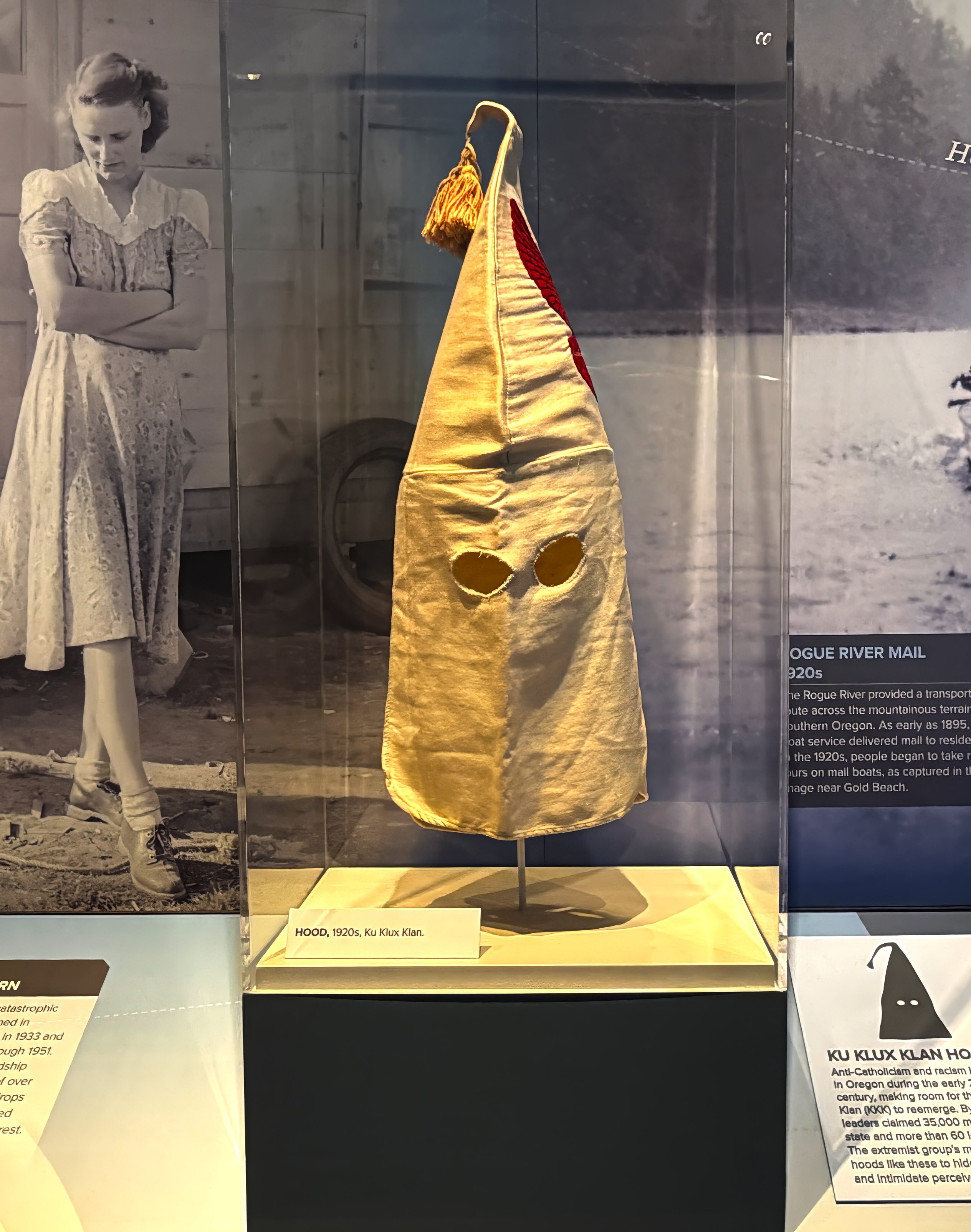
Staring Down an Artifact of Hate
—
My first reaction was disgust. I turned and started walking away. A few steps later, I stopped. What followed was an unexpected moment spent staring down an artifact of hate—and a reminder that some parts of history deserve to be confronted rather than ignored.
-
Godzilla Was Never the Villain
—
“Godzilla” (1954) was never about a monster. It was about consequence. This reflection explores AI through the lens of power, responsibility, and stewardship, arguing that the real danger isn’t intelligence itself, but the abdication of human responsibility.
-
Why The Archive Exists
—
I read the March 26th CNN investigation slowly. What stayed wasn’t only the scale, but the structure — the sense that something was being taught, repeated, and absorbed. Moments like this clarify why the archive exists.
-

The Channel I Almost Changed
—
A South Korean news broadcast, a calm Waikiki beach, and an ordinary afternoon. Years later, those few minutes became more than a vacation memory—they became a quiet record of a particular moment in history.
-
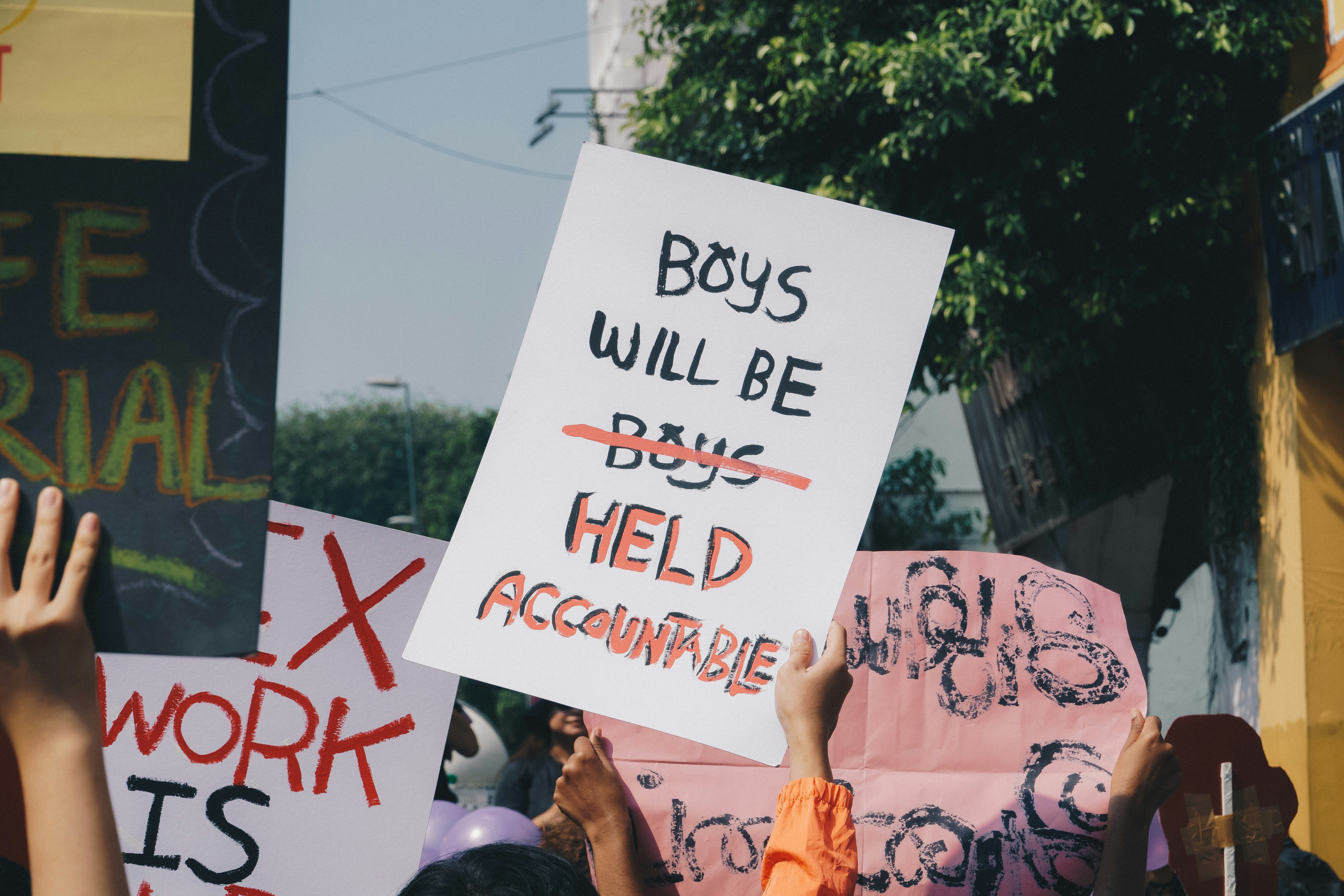
Decentering Men: Where My Alignment Has Been
—
A personal reflection on decentering men and aligning more with the influence and leadership of women. Not an argument or manifesto, but an observation shaped by experience, attention, and relief—about what becomes clearer when masculinity stops functioning as the world’s default organizing principle.
-
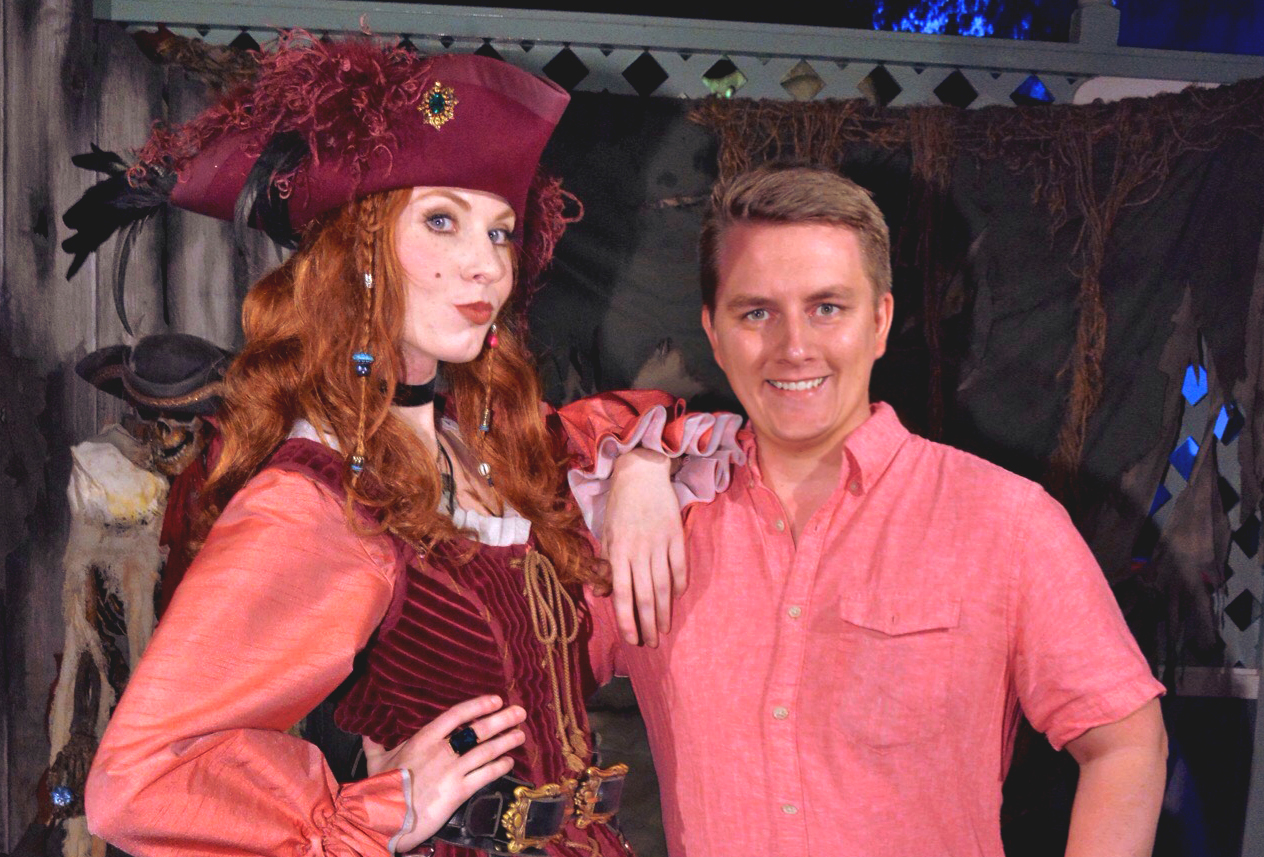
A Pirate, An Archive, and the American Story
—
In 2018, I submitted a photo from a Halloween night at Disneyland. Years later, it became part of a Smithsonian exhibition examining how American storytelling evolves. A small moment — now preserved in the national archive — quietly woven into the cultural record.
-
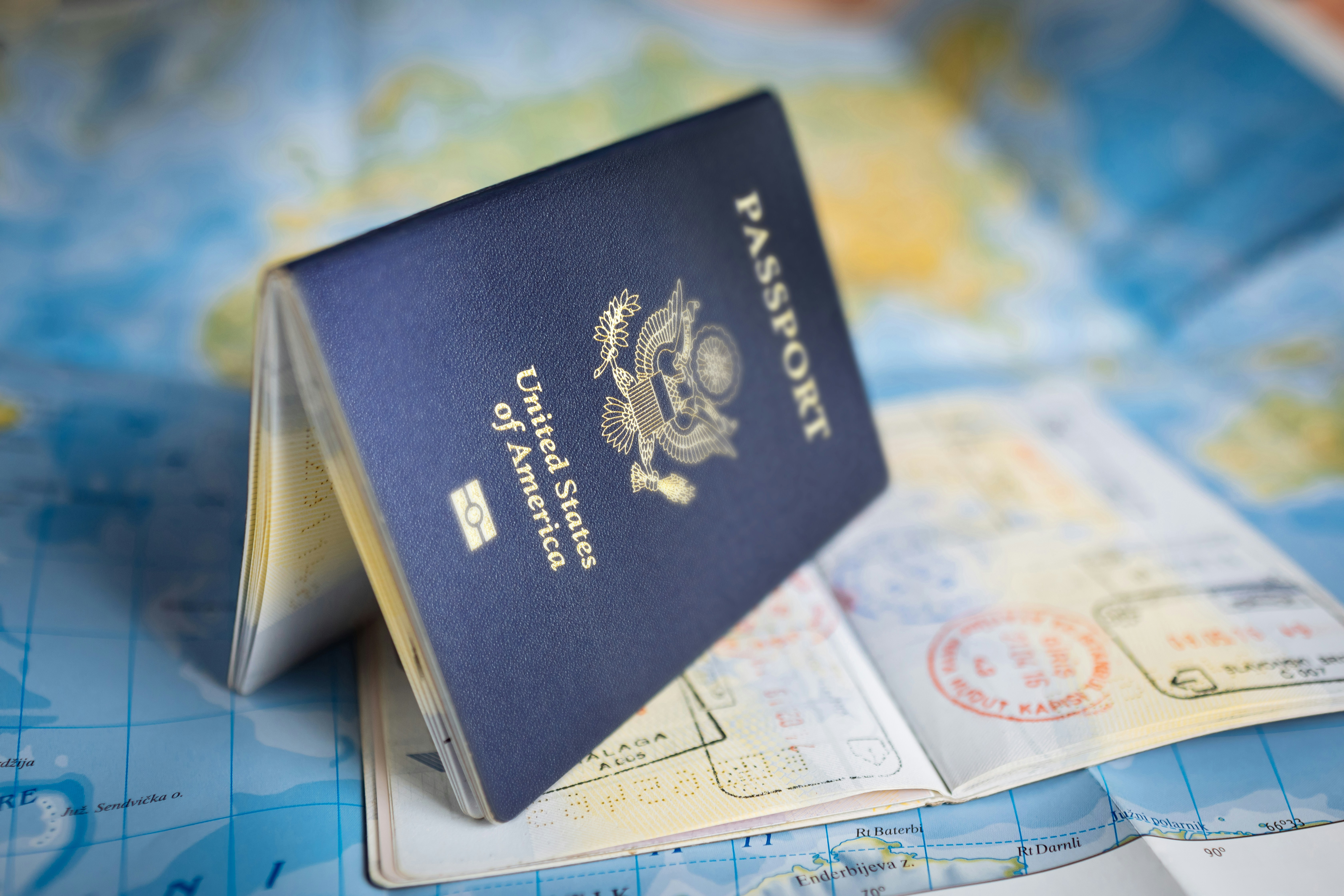
More Than One Voice: This American Stands with Global Allies
—
Leadership changes, policies shift, but bonds between nations—between people—run deeper than any administration. As an American, I choose to stand with global allies. Trust, respect, and shared values matter more than political whims.
-
Enough Words: Allyship Demands Accountability to All Women
—
Allyship isn’t a label or performance—it’s action. It’s about dismantling harm, amplifying women’s voices, and holding yourself accountable without expecting recognition. Empty gestures and silence perpetuate inequality. Women deserve more than words; they deserve real change. It’s time for men to step up, show up, and make accountability their priority.
-
The Seat I Didn’t Know I Had
—
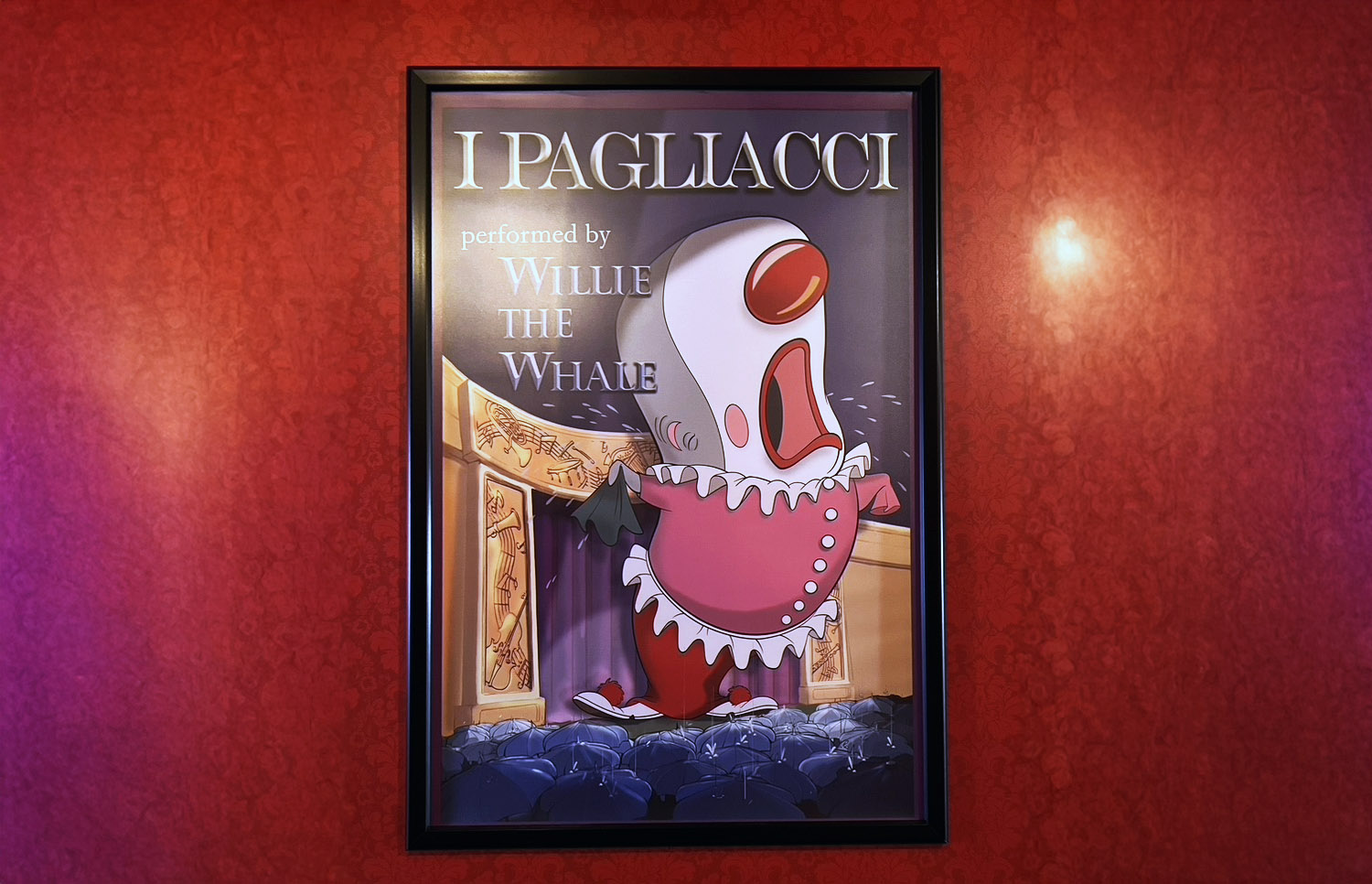
Long before I knew what opera was, I learned something else: how to be an audience. A reflection on listening, attention, and the quiet experience of encountering beauty before understanding it.
-

“Free the Nipple?” A Film, a Question, a Double Standard
—
When something as ordinary as a nipple becomes a battleground, the stakes are larger than skin. This post revisits the New York Times Op-Doc “Free the Nipple?” and asks what it reveals about law, culture, design, and who decides women’s bodies can — or cannot — be seen.
-

Morning Walk to Queen Kapiʻolani Park
—
A morning walk into Queen Kapiʻolani Regional Park reveals a shift from the density of Waikīkī to open space shaped by history and use. Centered on the statue of Queen Kapiʻolani, the park connects land, memory, and everyday movement.
-

Letting the Nuʻuanu Pali Wind Continue
—
The force didn’t lessen, but it stopped feeling personal. The wind wasn’t acting on me. It was simply continuing.
You must be logged in to post a comment.