
I came across a series of photographs of Elizabeth Taylor taken during a trip to Iran in 1976, and at first I didn’t think much of them.
Some were clearly composed—she’s reclining, dressed in fabric arranged just so—while others felt more casual, with her walking through a bazaar, partially obscured by people passing in front of her. But the longer I sat with them, the harder it became to separate the two, and they began to feel less like different kinds of images and more like different moments from the same experience.
What stayed with me wasn’t the subject so much as the absence of pressure within the images themselves. Nothing felt like it needed to matter.
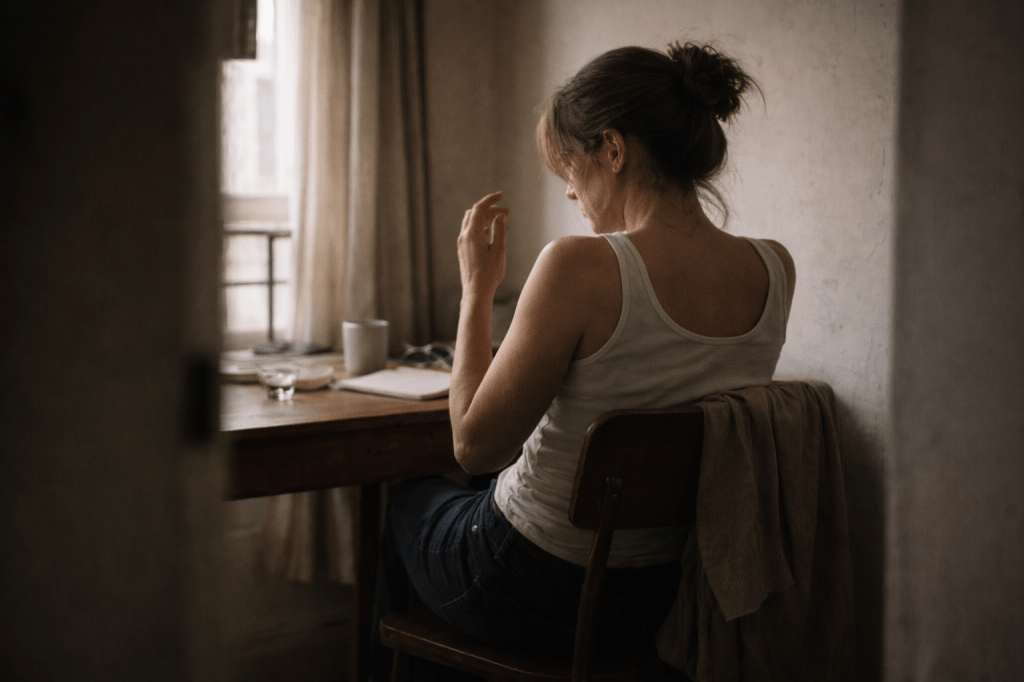
There was no sense that they were trying to become definitive, no effort to clarify, center, or elevate what was happening. Even the more constructed photographs carried a looseness that resisted that kind of control. It didn’t feel performed or directed toward an audience so much as something that had been shared and then left as it was.
Over time, I realized that what I was responding to had very little to do with whether the image was candid or staged. What mattered more was whether it seemed aware of itself in the moment it was made. There’s a difference between capturing something and preparing it to be seen, and these photographs stay on the side of capture. They feel closer to memory than intention, closer to what it was like to be there than what it should look like afterward.
That quality is difficult to recreate—not because it requires technical precision, but because it depends on restraint. It asks for a willingness to stop before the image fully resolves, before it becomes too clear or organizes itself around a single, readable meaning. The instinct to refine, to improve, to make something more legible is strong, but it is often at that point that something quieter begins to disappear.
I’ve started to notice that same boundary in my own work. With Lumivore, and with Her Stories, Her World, there’s often a moment where an image begins to settle into something more complete, where it becomes easier to understand and more obviously composed. That is usually where I stop—not because the image is finished in any traditional sense, but because continuing past that point shifts it into something more controlled, more resolved, and ultimately less alive.
The photographs from that trip were never made with the expectation that they would last, and they weren’t built to carry meaning in the way we often try to assign it afterward. They seem to come from a moment where nothing needed to be proven, where the presence of two people in a place, with the time and space to notice it, was enough. Whatever significance they hold now feels less like something that was constructed and more like something that arrived later, without altering what was originally there.
Not everything needs to be made clearer to be understood.

You must be logged in to post a comment.