
Cultural Notes
Cultural Notes collects my personal observations on culture, art, performance, and the everyday moments that reveal how meaning is made. These pieces are not reviews or summaries, but considered reflections — written from attention, experience, and lived response.
-
The Shoes She Carried Down
Twenty-five years after 9/11, I explored the National September 11 Memorial & Museum’s online Object Collection. One artifact stayed with me most: the bloodstained high heels Linda Raisch-Lopez carried down from the 97th floor of the South Tower—and the survival story they still preserve.
-
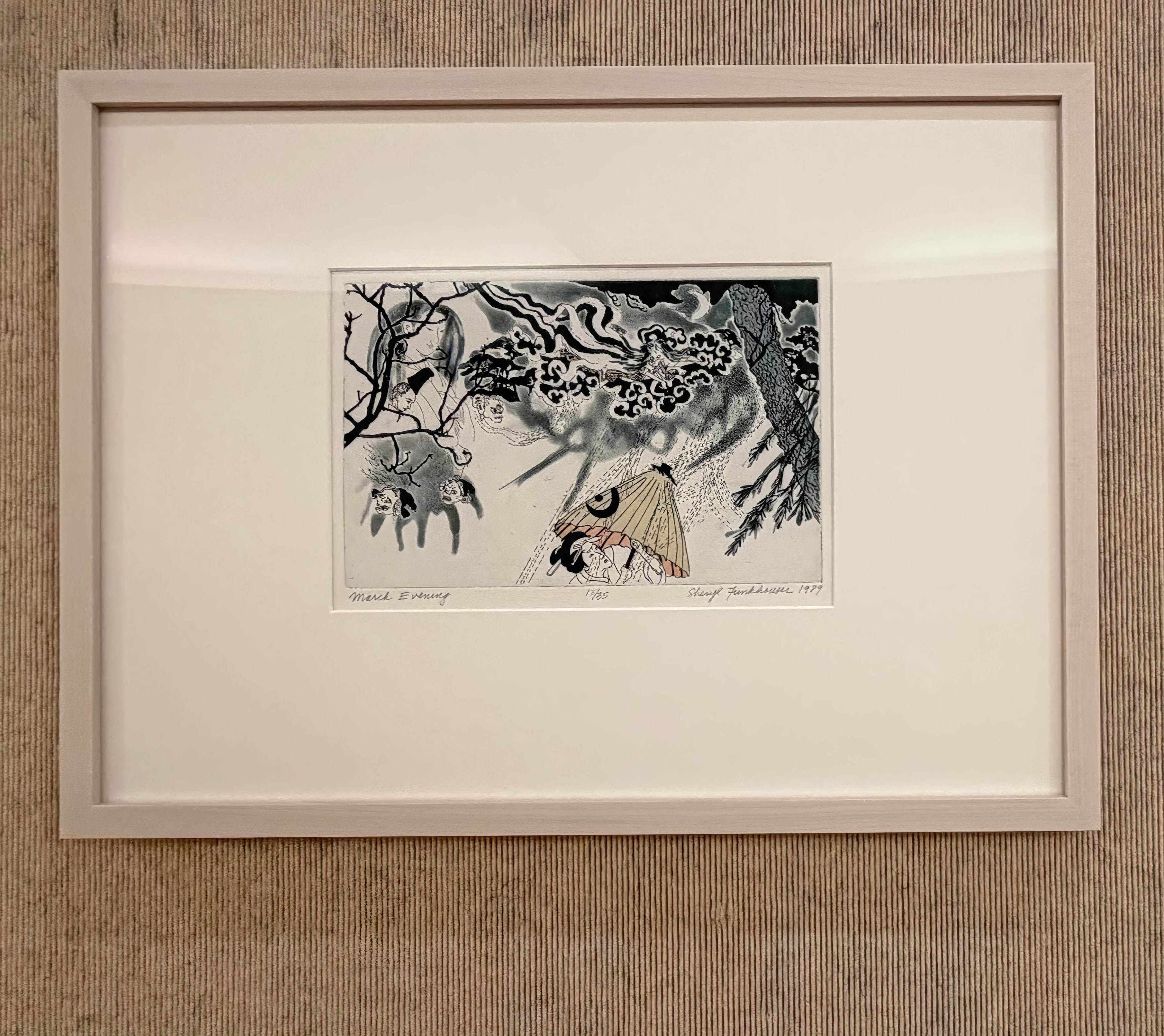
Inkling Studio: Two Prints That Stayed With Me
At the Portland Art Museum, Inkling Studio revealed the history of a local printmaking community. Among the works on view, two by women especially stayed with me: Eileen “ikie” Nolan Kressel’s playful self-portrait Someday My Prints Will Come and Sheryl Funkhouser’s atmospheric March Evening.
-

What Healing Holds
Betty Muffler’s Ngangkari Ngura (Healing Country) expands the idea of healing beyond the individual body, connecting care for people with care for Country, memory, and the lasting effects of displacement and nuclear testing on Aboriginal homelands.
-
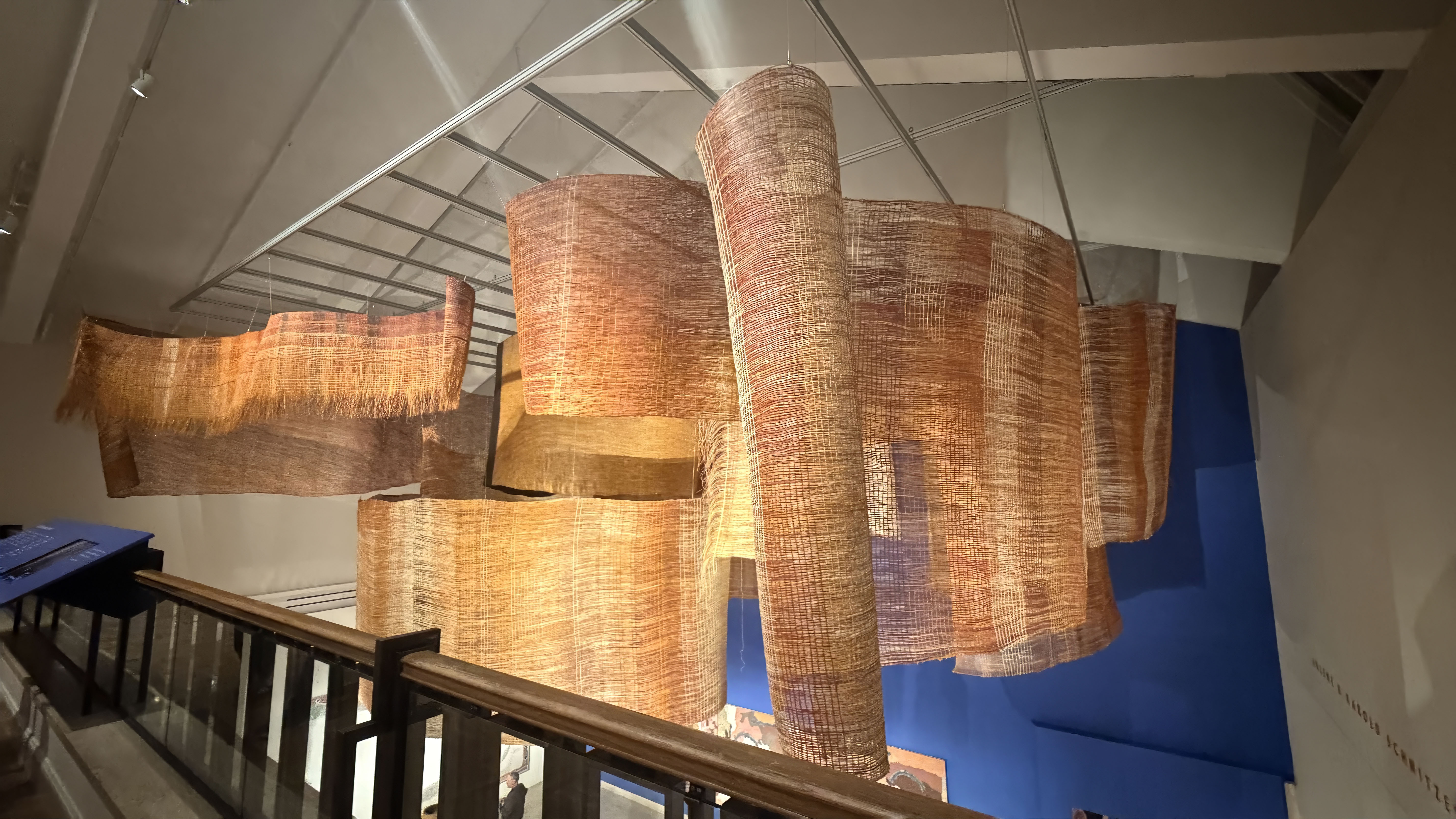
Between Roots and Stars
A visit to Portland Art Museum’s The Stars We Do Not See revealed Australian Indigenous art through weaving, bark painting, sculpture, video, memory, Country, and the stars. Several works stood out for the ways they transformed both the gallery space and the act of looking.
-

A Golden Age in the Oak Room
—
Inside the Wilsonville Public Library’s Oak Room, Wilsonville Stage transformed a meeting room into Isabel Hastings Hoyt’s memory-filled New York parlor. The Golden Age became an intimate, funny, and unexpectedly moving encounter with literary history, freedom, and the stories we choose to preserve.
-
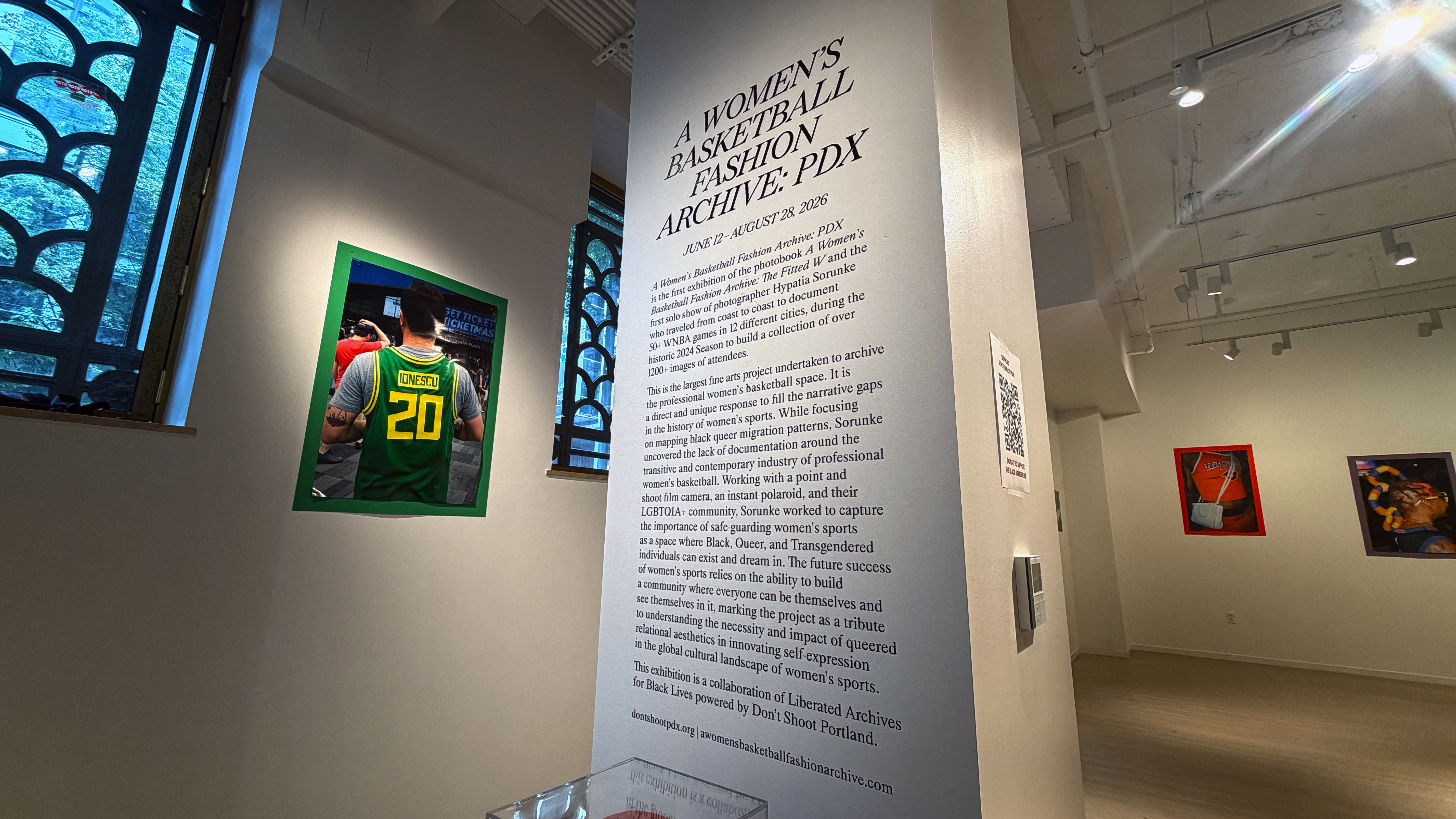
Come In, Check It Out
I stopped to photograph an old bank building in downtown Portland. Then a door opened, someone invited me inside, and I unexpectedly found A Women’s Basketball Fashion Archive: PDX—a celebration of women’s basketball, fashion, identity, community, and memory.
-

Louis Vuitton at Play
A playful Louis Vuitton display at Pioneer Place turned a downtown walk into an unexpected discovery. Drawing on the house’s 1994 Toys Campaign, miniature cars, scooters, delivery vans and luggage brought an unexpected sense of whimsy to the familiar world of Louis Vuitton luxury.
-
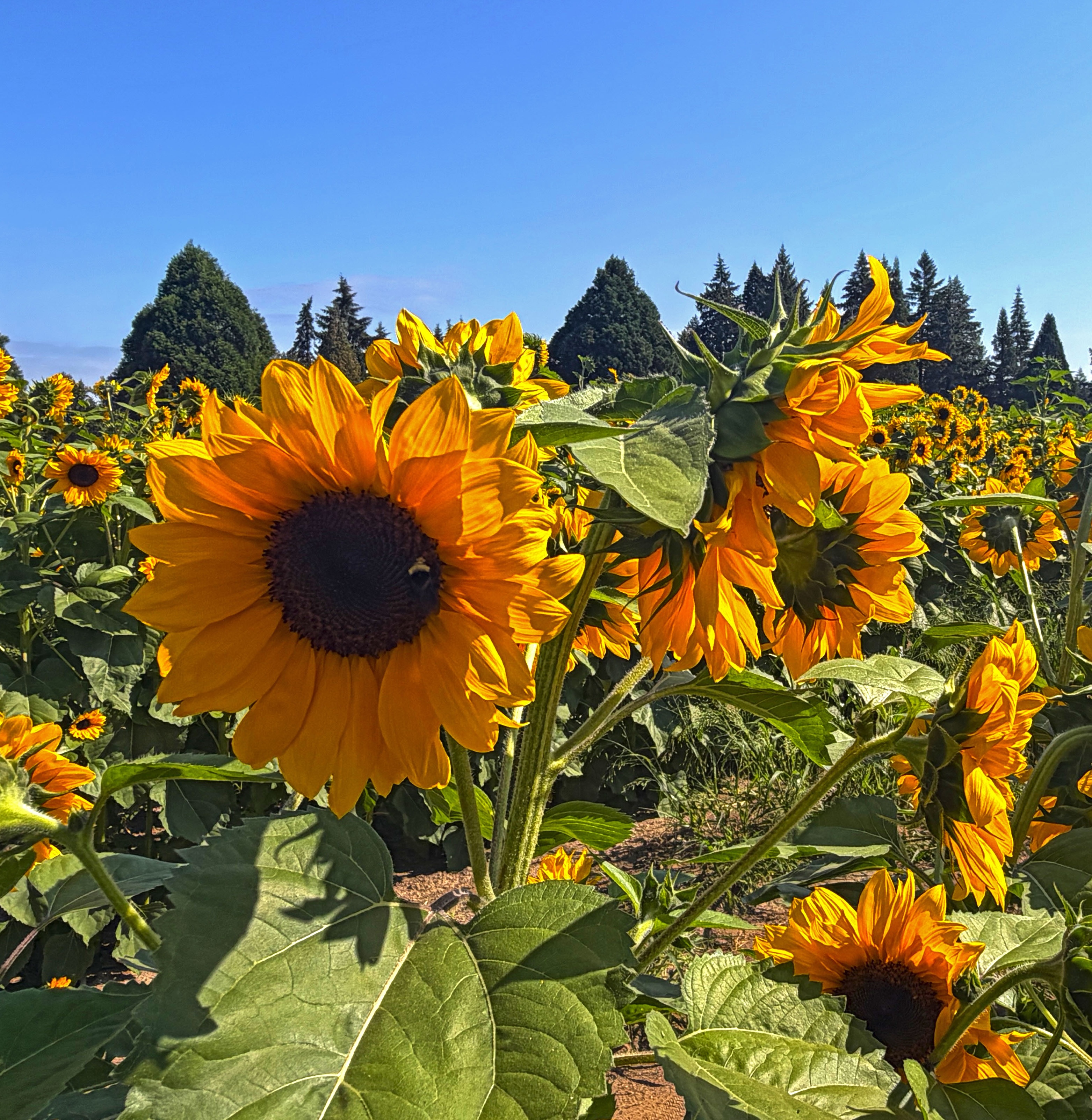
Among the Sunflowers at Lee Farms
A Sunday morning among sunflowers and bees at Lee Farms became a wander through seven generations of farm history, agritourism, weathered signs, country music—and some very good apple cider donuts.
-

243 Feet Down
243 feet beneath Washington Park, MAX trains rumble through the Robertson Tunnel past geological displays, core samples, and platforms designed as sunrise and sunset. A Saturday morning visit revealed a transit station that feels part underground museum, part engineering marvel — and remarkably quiet until the next train arrives.
-

Meeting Woodsy Owl
A vaguely remembered owl, an unforgettable slogan, and an original 1971 costume. A visit to the World Forestry Center turned Woodsy Owl from a ’90s childhood memory into a fascinating piece of American environmental and public-service history.
-

The Afterlife of Violetta’s Paris
—
Eight years after Portland Opera’s “La Traviata” left the stage, I found pieces of Violetta’s Paris behind glass: elaborate cake props surrounded by a new generation of theatrical creations. What began as an unexpected discovery became a reminder that when a performance disappears, its objects can keep telling stories.
-

“His Girl Friday”: Saturday Morning at Cinema 21
—
Inside Portland’s century-old Cinema 21, vintage “Prevues,” a “Let’s All Go to the Lobby” reel, and a Saturday morning audience set the stage for His Girl Friday—where Cary Grant and Rosalind Russell turned a newsroom, an escaped prisoner, and one unfortunate desk into 92 minutes of glorious chaos.
-

The Past Never Fully Leaves the Room
—
A Tennessee Williams play revealed itself less as a mystery than as a meditation on memory, testimony, and truth. Performed on Lakewood’s intimate Side Door Stage by Thesmophoria Presents, Suddenly, Last Summer offered an unforgettable afternoon of independent theatre.
-
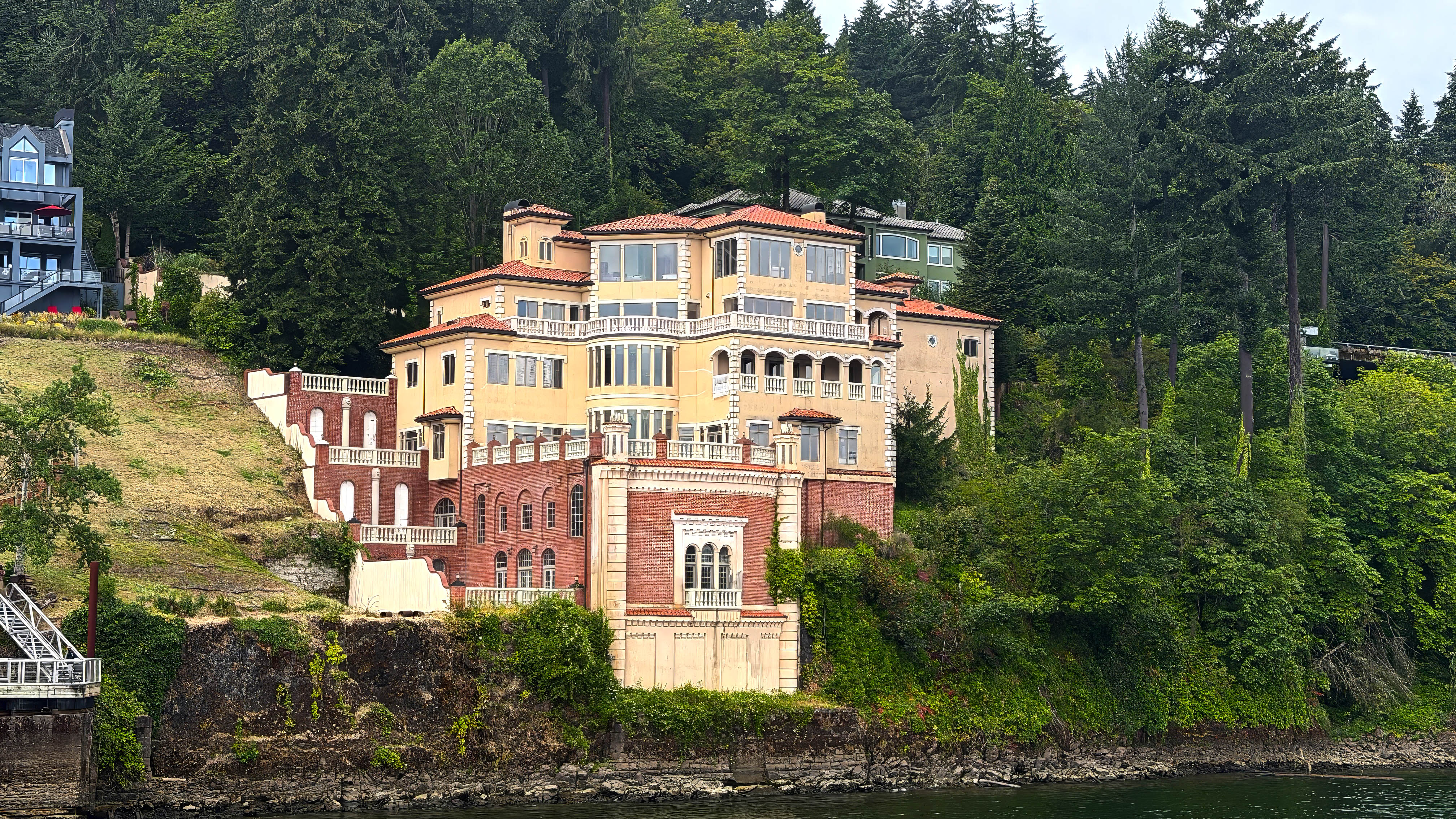
Beneath the Villa
What first appeared to be one of the Willamette’s most distinctive homes revealed a hidden chapter of Portland’s history—an 1883 pumping station quietly preserved beneath a Spanish-style villa.
-
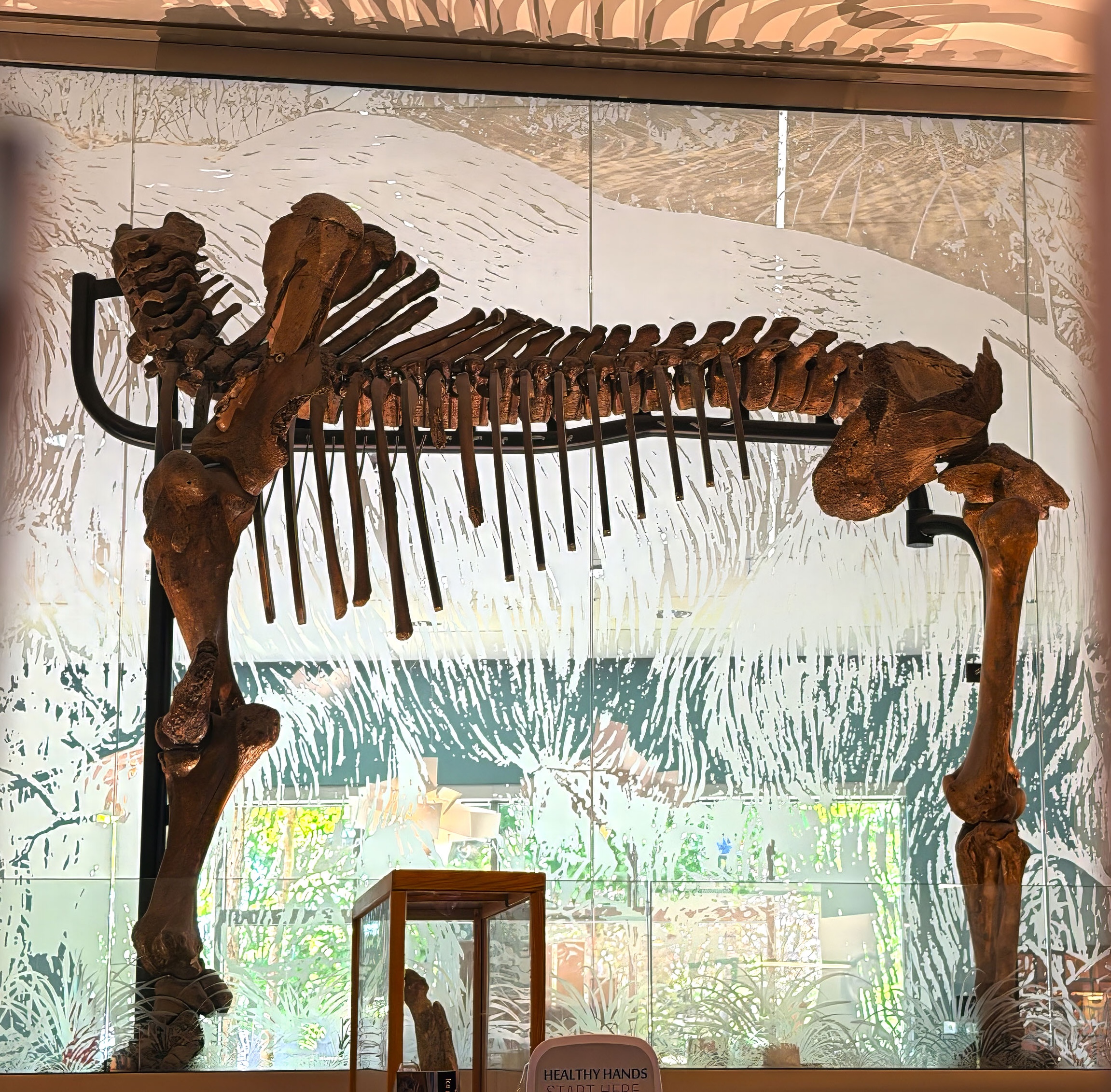
A Mastodon Among the Books
A visit to the Tualatin Public Library revealed an unexpected piece of Oregon’s Ice Age history. Hidden among the bookshelves, the Tualatin Mastodon offers a reminder that remarkable stories aren’t always found in museums.
-
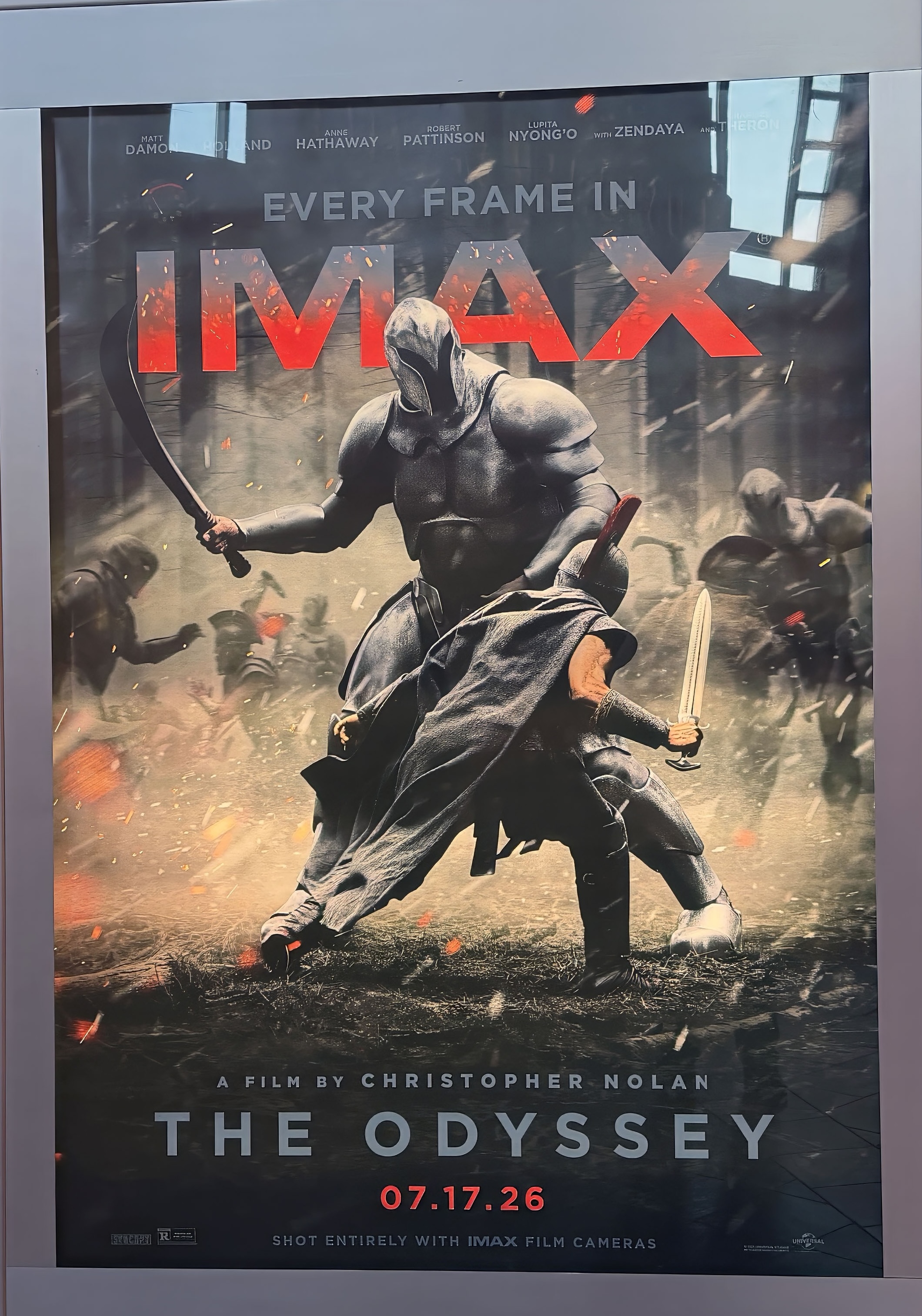
A 3,000-Year-Old Story
—
A journey across ancient landscapes becomes something deeper through encounters with Circe, the Sirens, Scylla, and Charybdis. Christopher Nolan’s The Odyssey reminded me that myths endure not because of their monsters, but because of the questions they continue to ask.
-

More Than “A Woman’s Piece”
—
A wartime assignment, a skeptical journalist, and a household of unforgettable women. “The Cover of Life” uses humor, warmth, and quiet humanity to reveal why some stories cannot be understood until we take the time to truly listen.
-
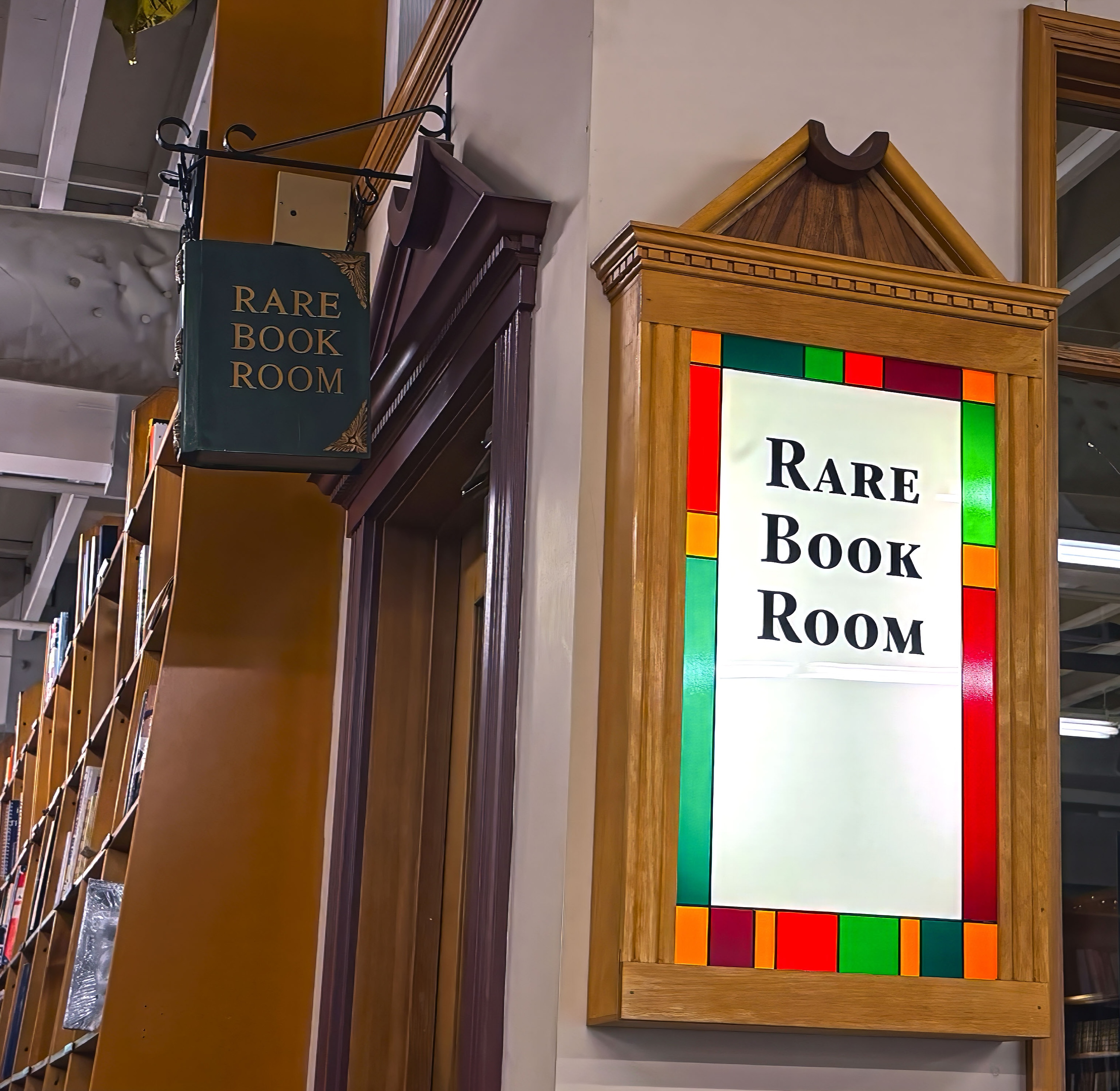
Among Rare Books
I entered Powell’s Rare Book Room expecting to see rare books. I left thinking about preservation. Among first editions and centuries-old volumes, I found a quieter story—not about value, but about the generations who chose to carry books, and the voices within them, forward.
-
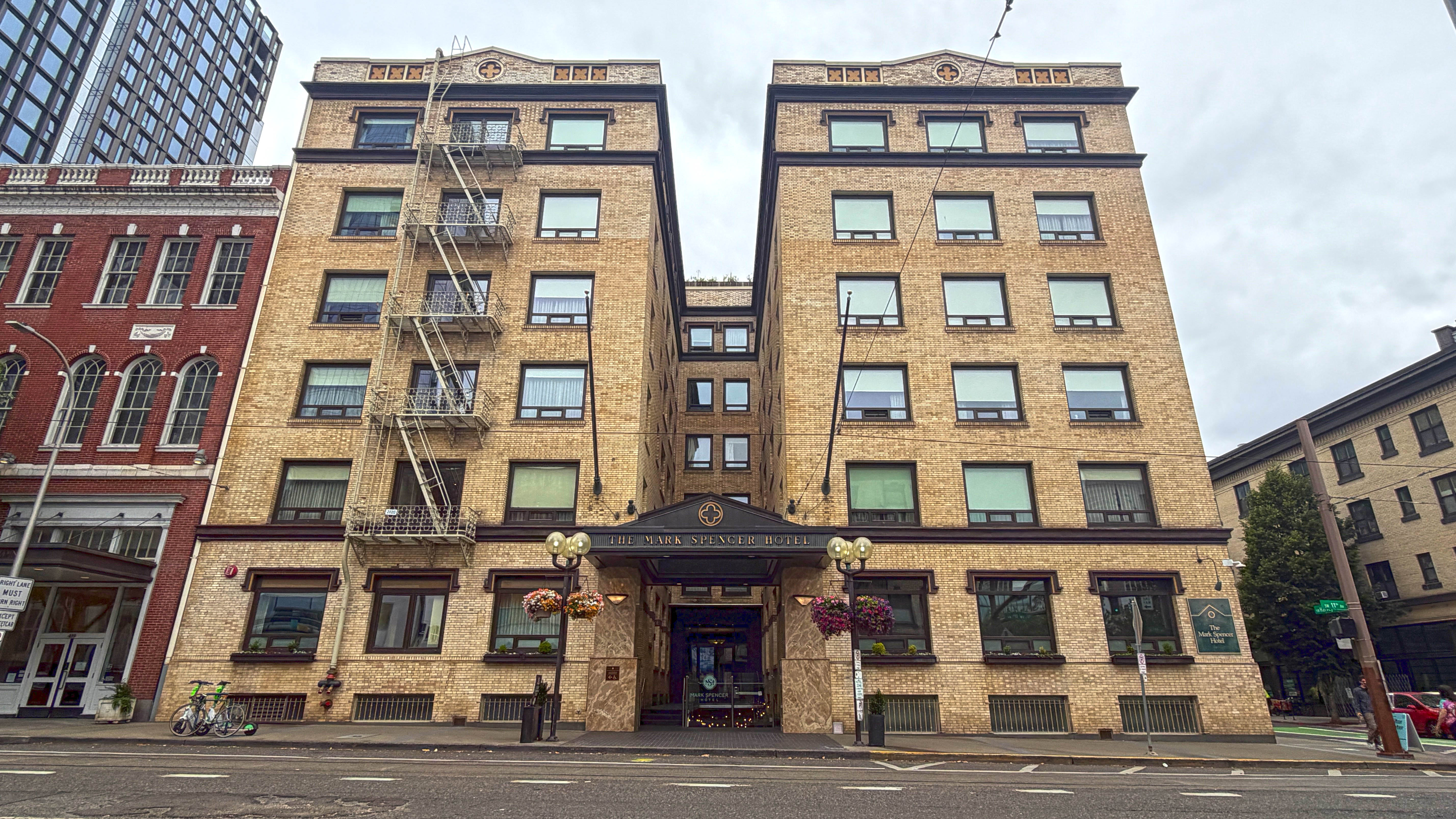
Two Women Who Called It Home
During a Saturday walk through downtown Portland, I discovered that one familiar hotel held an unexpected story—one that changed the way I see a historic building and the two women who once called it home.
-
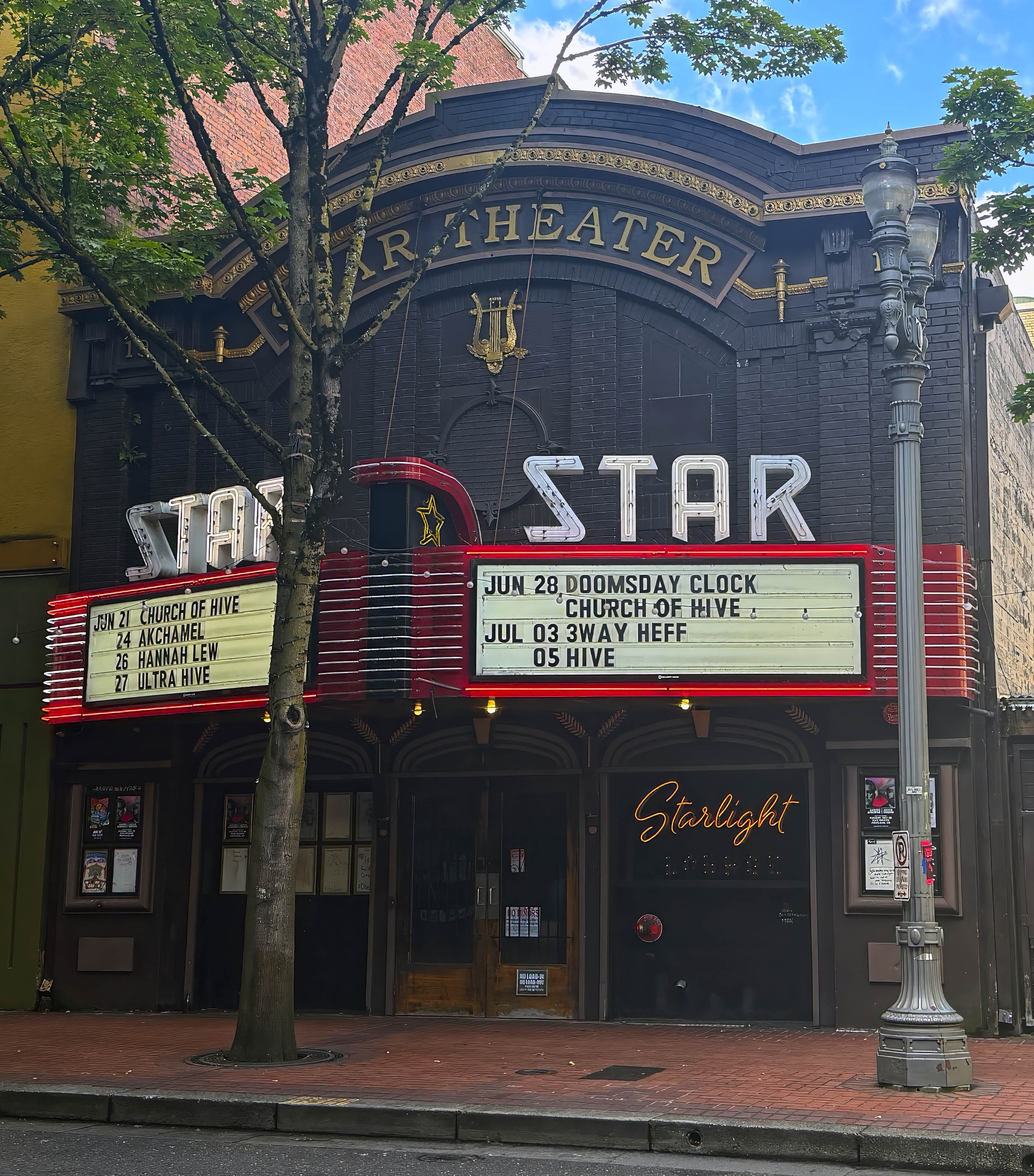
When the Star Was Burlesque
Behind the neon of Portland’s Star Theater is a history of burlesque, police inspections, a backstage warning system, and a rivalry once dubbed “The Battle of the G-Strings.” A photograph on Sixth Avenue sent me digging into one of downtown Portland’s more colorful theatrical pasts.
You must be logged in to post a comment.