
Sasquatch: Ancestral Guardians
World Forestry Center – Portland, Oregon
August 23, 2025
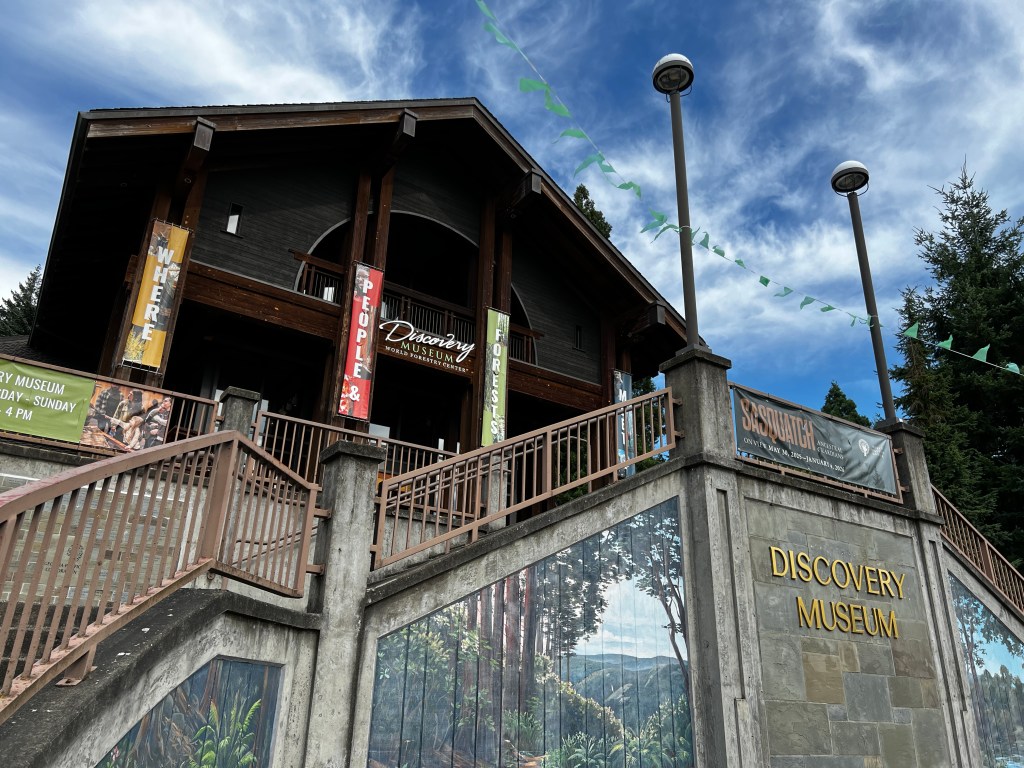
Walking into Sasquatch: Ancestral Guardians at the World Forestry Center, the familiar image of Sasquatch—blurry photographs, roadside signs, and the Patterson–Gimlin footage—was present, but only as a starting point.
At the entrance, a wall invited visitors to leave stickers from their own Sasquatch memorabilia. The gesture was simple, but it functioned as a transition point. Popular imagery was acknowledged, then set aside before entering the main exhibition space.
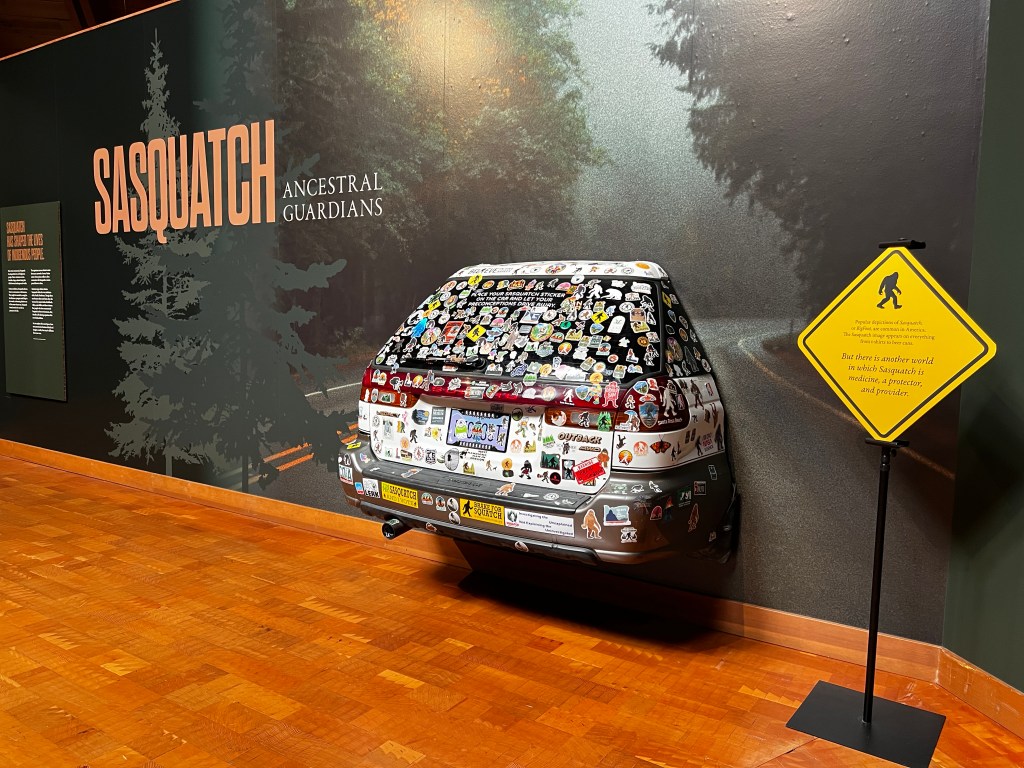
The exhibition shifted that framing almost immediately.
Near the entrance, a quote was displayed:
“We must walk lightly when we are between worlds with this sacred being.”
— Phillip Cash Cash
It established a different context—one grounded in relationship rather than proof.
Inside, the works focused less on confirming or denying the figure and more on its place within Indigenous cultural frameworks. Sculptural pieces, masks, and installations positioned Sasquatch not as a cryptid, but as a being connected to land, story, and community.
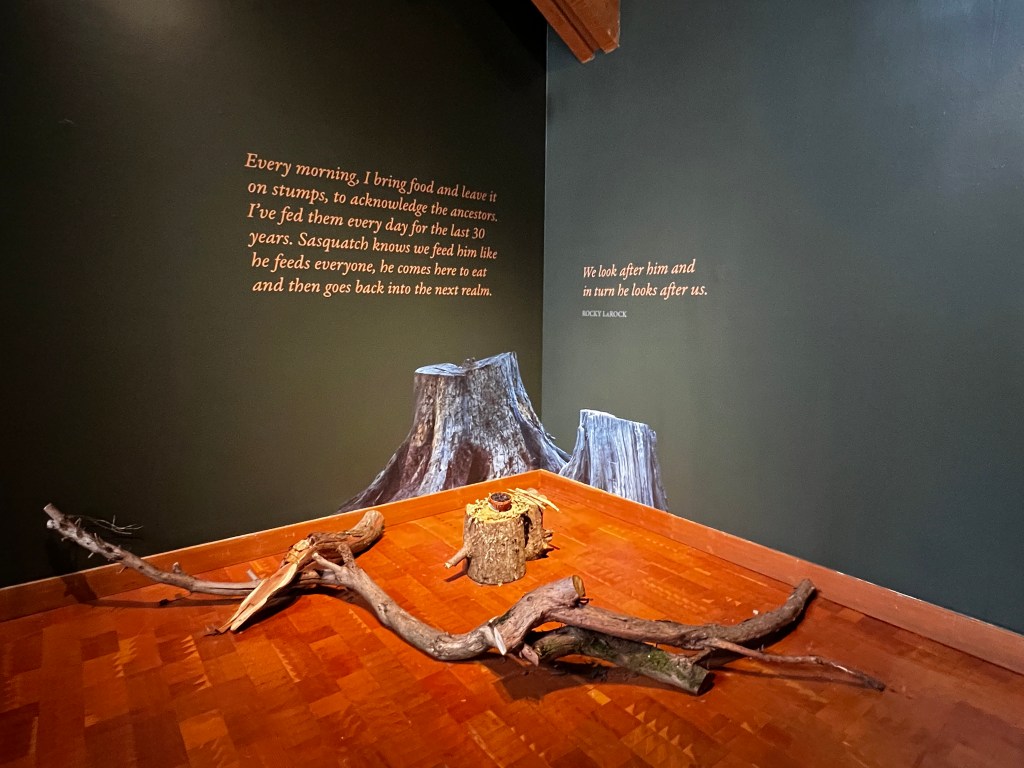
The idea of relationship appeared in quieter forms as well. In one area of the gallery, a small installation centered on a cut stump and scattered branches suggested an offering space—something placed rather than displayed. It did not draw attention to itself, but it altered how the surrounding works were read, shifting focus from observation to reciprocity.
One large masked figure stood out. It bridged traditional form and contemporary presence, holding both without separating them. The piece did not present a narrative directly; it held space for one.
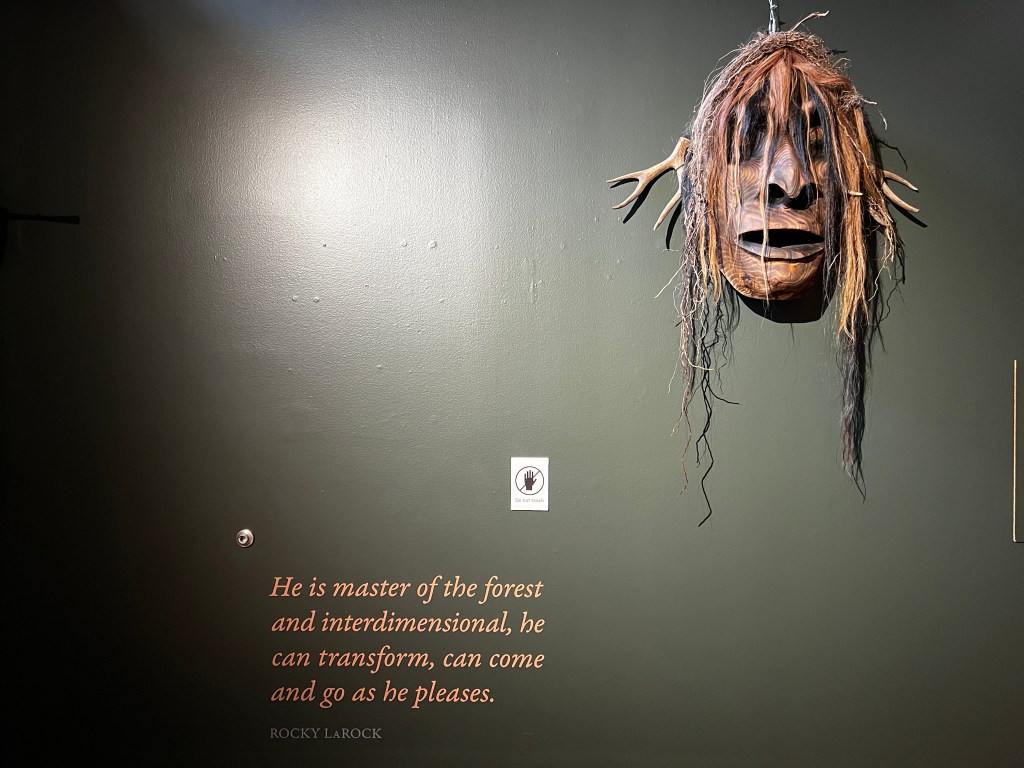
Throughout the exhibition, artists from Nez Perce, Yakama, Warm Springs, Salish, Grand Ronde, and Siletz communities were represented. Their works emphasized continuity—stories carried through material, form, and place.
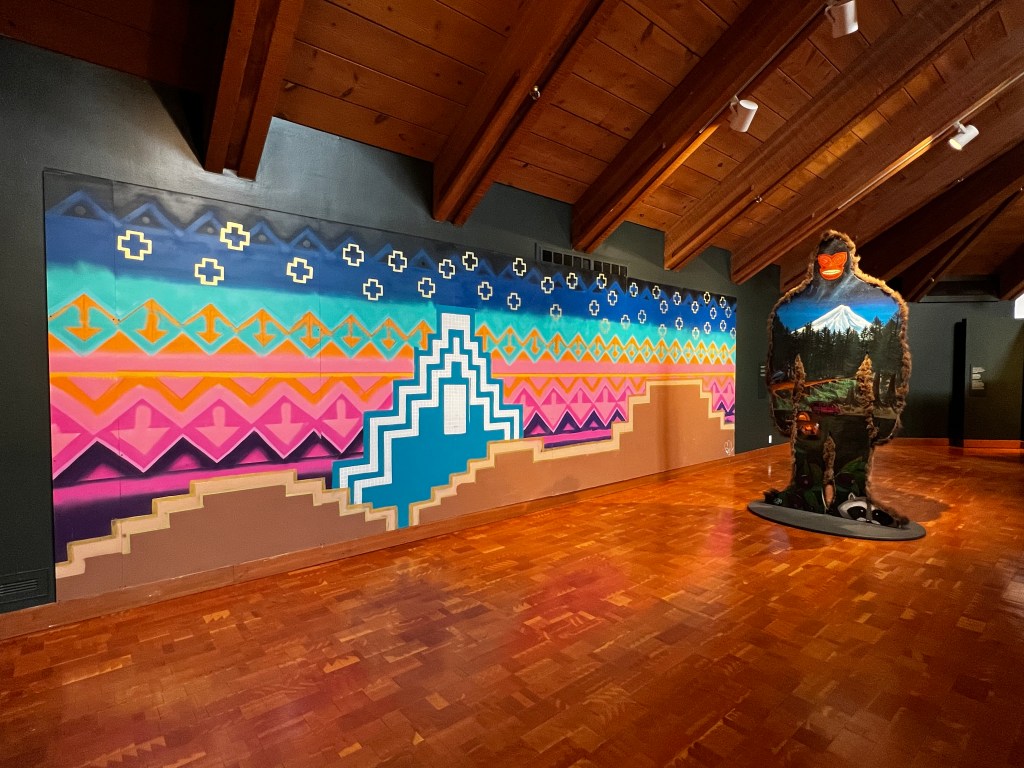
The exhibition did not center the question of existence. Instead, it shifted attention toward relationship—how humans understand and move within the environments they inhabit.
Leaving the World Forestry Center, the experience stayed with me less as an answer and more as an adjustment in perspective—one that placed emphasis on respect, context, and the presence of stories within the landscape.
 Scott Bryant
You must be logged in to post a comment.