
Cultural Notes — Oregon History
Visited March 14, 2026
Inside the End of the Oregon Trail Interpretive Center, the story of westward migration is told through familiar objects: wagons, tools, trail maps, and artifacts from a long journey across the continent.
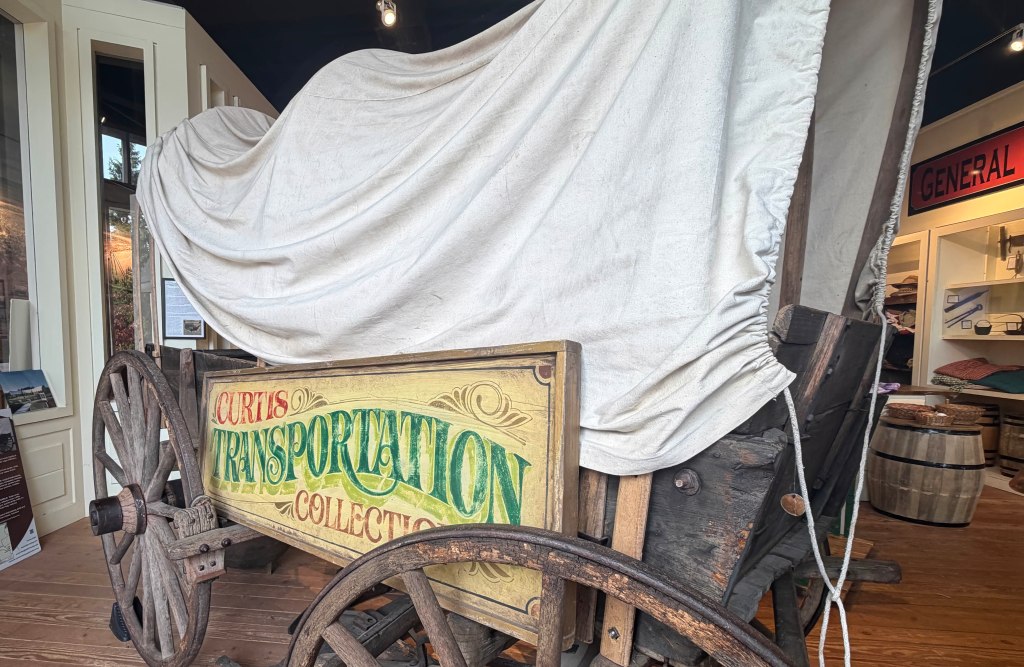
While walking through the exhibits, I found myself drawn to one display that felt very different from the others.
It was not a wagon.
It was a wooden crate.
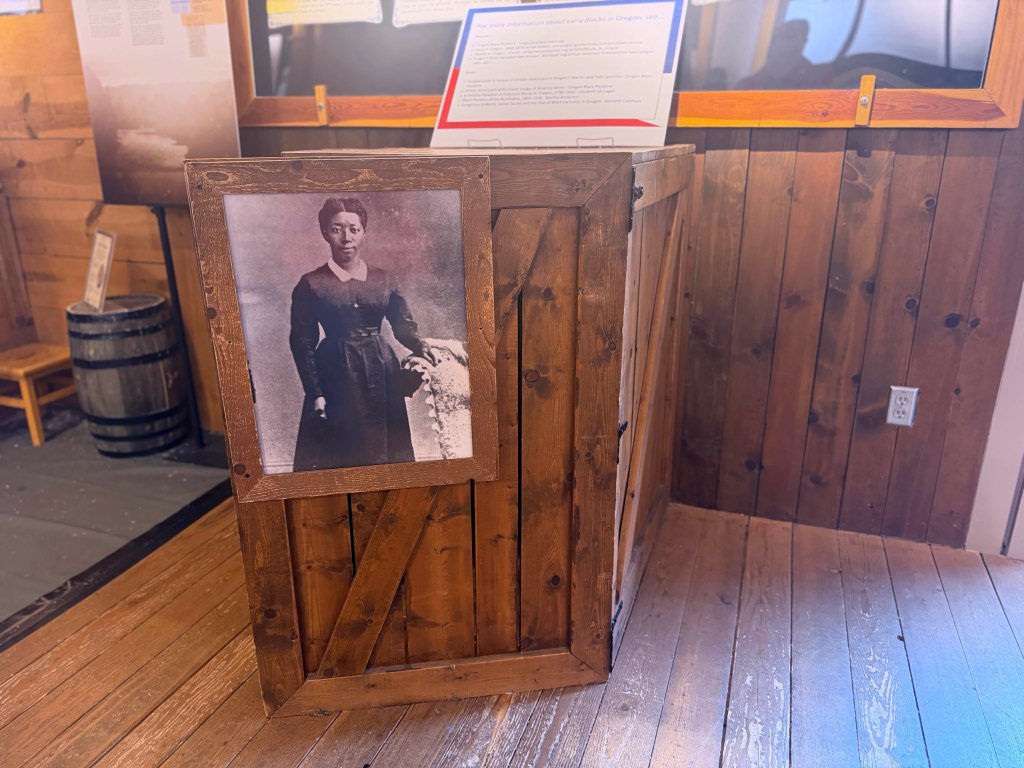
Mounted on the side of the box is the portrait of Rose Jackson, an enslaved Black woman who traveled the Oregon Trail in 1849.
Rose was brought west by Dr. William Allen, a physician who had previously enslaved her. When the wagon train the Allen family joined refused to allow Black travelers, Allen constructed a hidden wooden compartment in the bed of his wagon.
Rose Jackson spent much of the journey inside that cramped space as the wagon jolted across thousands of miles of rough trail.
At night she was able to climb out briefly to stretch her aching limbs before the journey continued.
Standing beside the reconstructed crate in the museum, the scale of the space becomes painfully clear. It is barely large enough for a person to crouch inside.
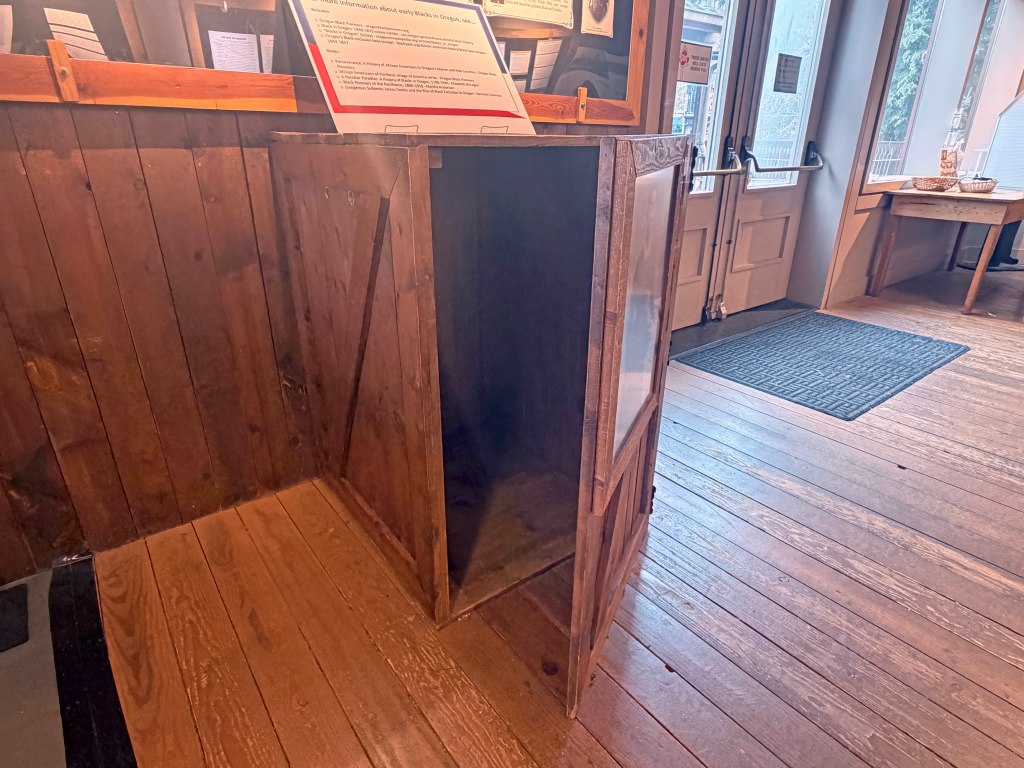
The Oregon Trail is often remembered through sweeping images of wagons crossing open plains. But objects like this crate tell a quieter story — one that reveals how many different experiences traveled west along that same road.
Rose Jackson survived the journey. She later married John Jackson and built a life in Oregon.
The crate remains in the museum today — a small wooden box that quietly reminds visitors that the Oregon Trail carried far more stories than the familiar pioneer narrative.
 Scott Bryant
You must be logged in to post a comment.