
Portland, Oregon — March 21, 2026
Personal Reflections — Movement, Space, and Intention
☉
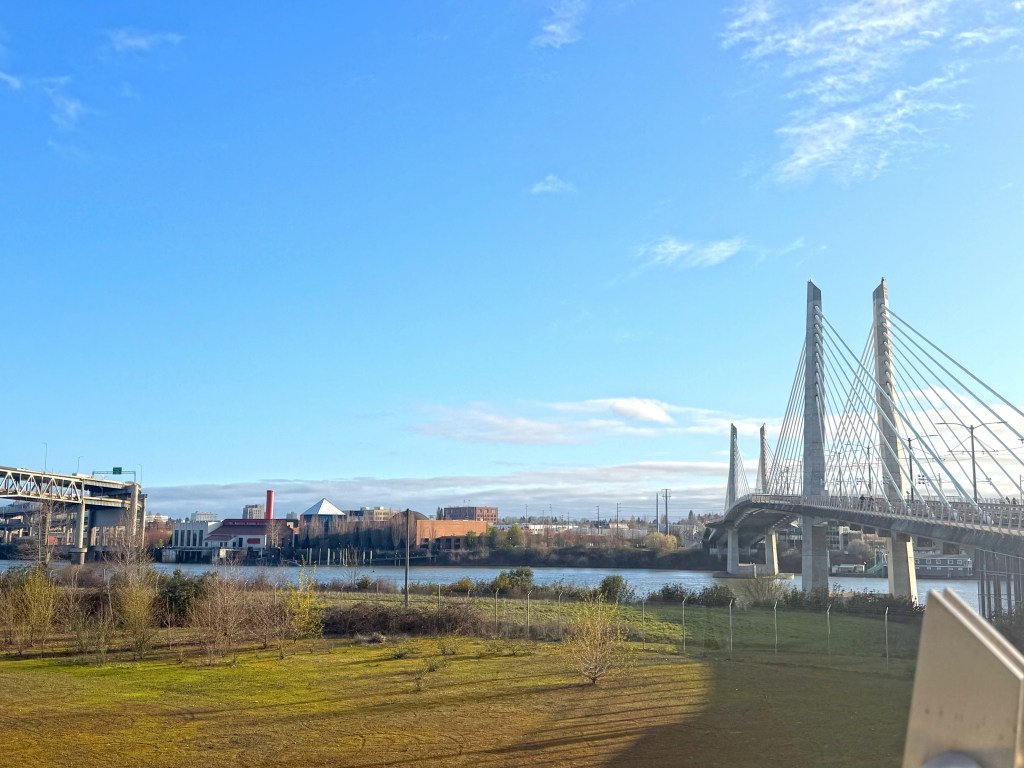
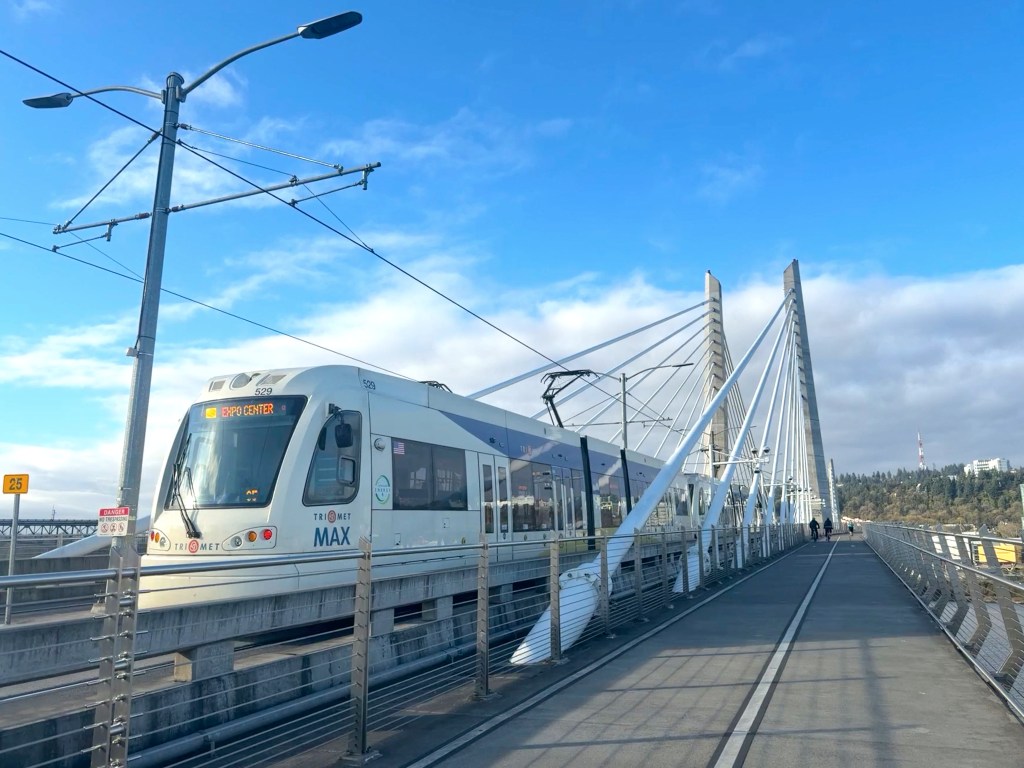
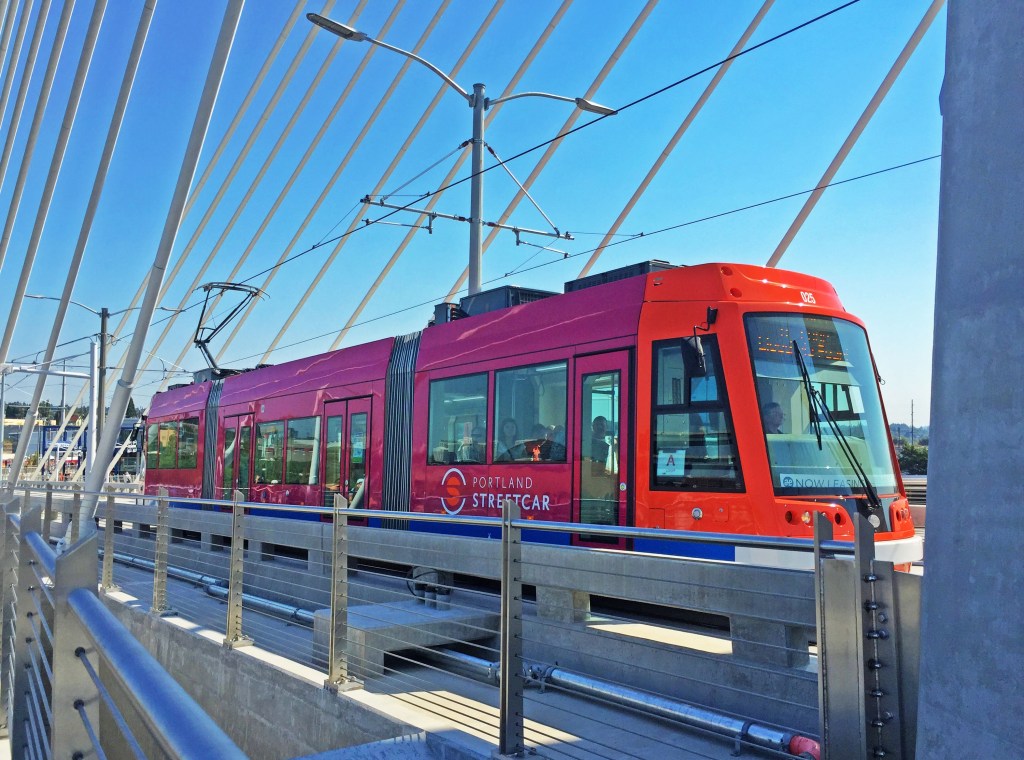
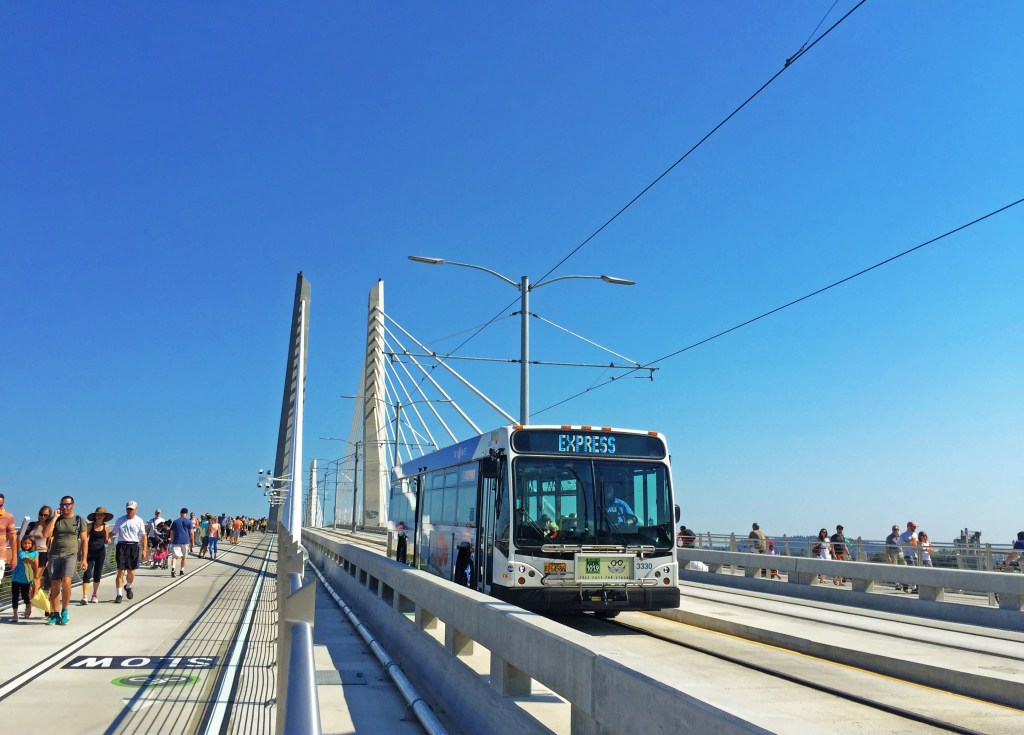
The first thing you notice is not what is present, but what is absent. There is no continuous sound of engines, no compression of space caused by passing traffic, and no sense of urgency imposed by vehicles moving through. Instead, the bridge is defined by a different set of movements. Light rail passes with a steady mechanical rhythm, buses move through without interruption, and cyclists and pedestrians share the remaining space without friction.
Tilikum Crossing does not function like a typical bridge designed primarily for throughput. It operates as a controlled environment where multiple forms of transit coexist without hierarchy. The absence of private vehicles changes not only the sound of the space, but also its pace. Movement becomes observable rather than something to move through as quickly as possible.
The Middle of the River
At the midpoint of the crossing, the structure becomes less about connection and more about position. The Willamette River moves steadily below, while the city on either side holds at a consistent distance. Neither bank dominates the view, and the bridge itself becomes the primary reference point.
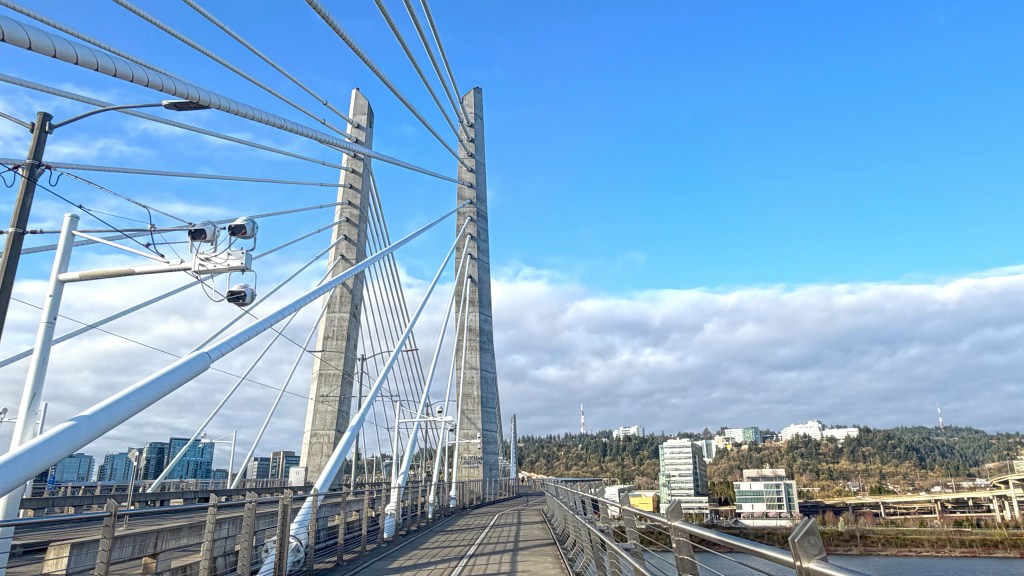
The experience at this point is defined by alignment. The pylons, cables, and pathway create a visual order that directs attention forward while still allowing space to pause. The absence of vehicle traffic reinforces that sense of stability. Standing here does not feel like an interruption to movement; it feels like a continuation of it at a slower, more deliberate pace.
A Bridge of the People
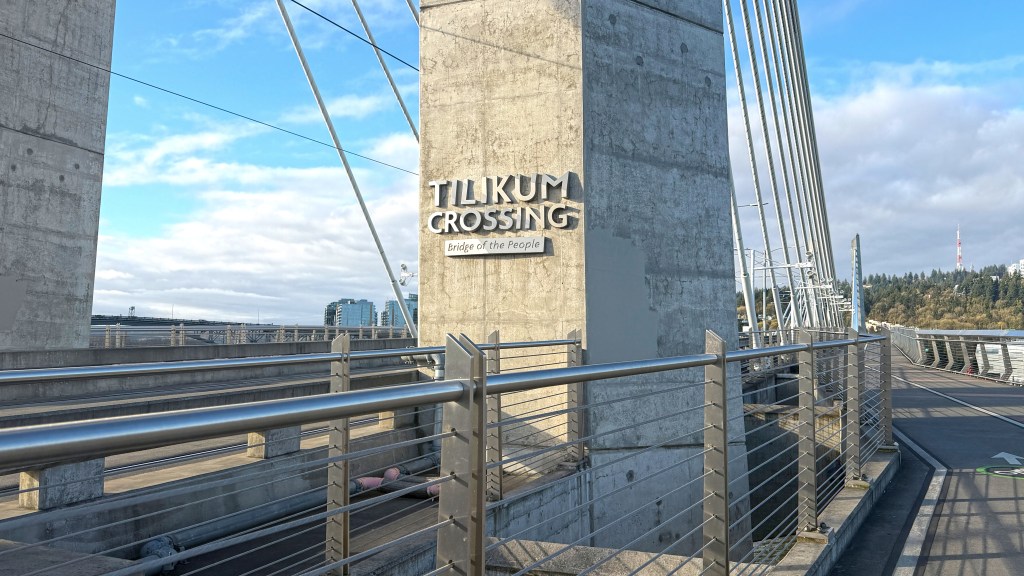
The name Tilikum Crossing carries a specific meaning rooted in Chinook Wawa, commonly translated as “people,” “friends,” or “relatives.” The naming is direct, but it reflects the function of the bridge with unusual accuracy.
This is infrastructure designed for shared use without prioritizing one form of movement over another. Pedestrians, cyclists, and transit vehicles occupy the same structure without competing for space. The design removes the expectation of speed and replaces it with an emphasis on coexistence.
Crossing As Experience
Most bridges are designed to be crossed with minimal attention. Their purpose is efficiency, and their success is measured by how quickly they move people from one side to the other.
Tilikum Crossing resists that model. The width of the pedestrian path, the openness of the sightlines, and the absence of traffic pressure allow for pauses that feel natural rather than obstructive. Looking outward toward the river or the skyline becomes part of the crossing itself, rather than a distraction from it.
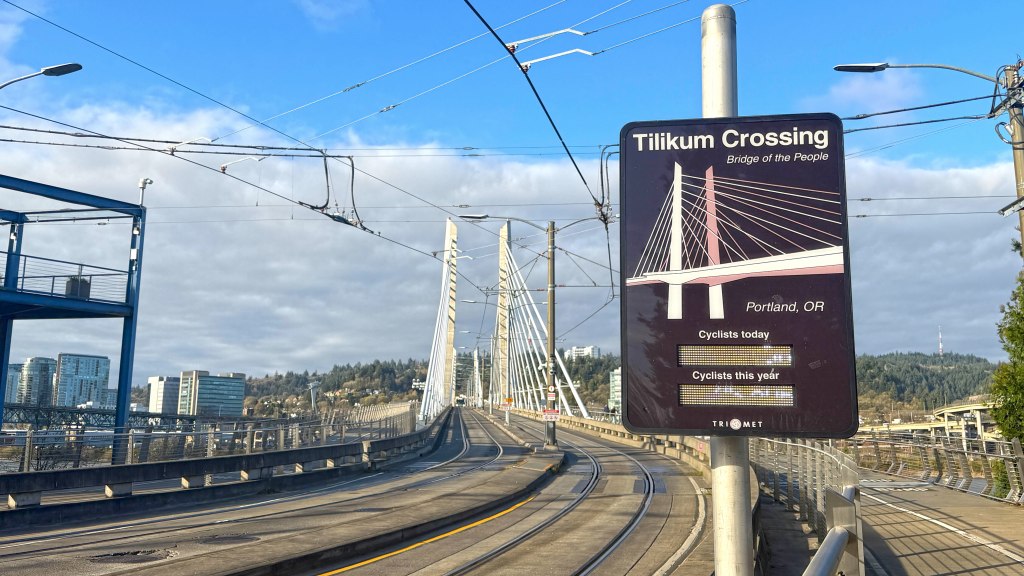
The structure supports continuous movement, but it does not demand it. That distinction changes how the crossing is experienced. It becomes less about reaching the opposite side and more about occupying the space in between.
Return
Crossing the bridge a second time does not replicate the first experience exactly. The route is familiar, but the awareness of the space shifts. The structure, the river, and the surrounding city remain unchanged, but the act of moving through them carries more recognition than discovery.
The bridge continues to function in the same way, but the experience becomes more controlled and less exploratory. The initial novelty is replaced by a clearer understanding of how the space operates.
☉
Before
— Opening Day, September 12, 2015 —
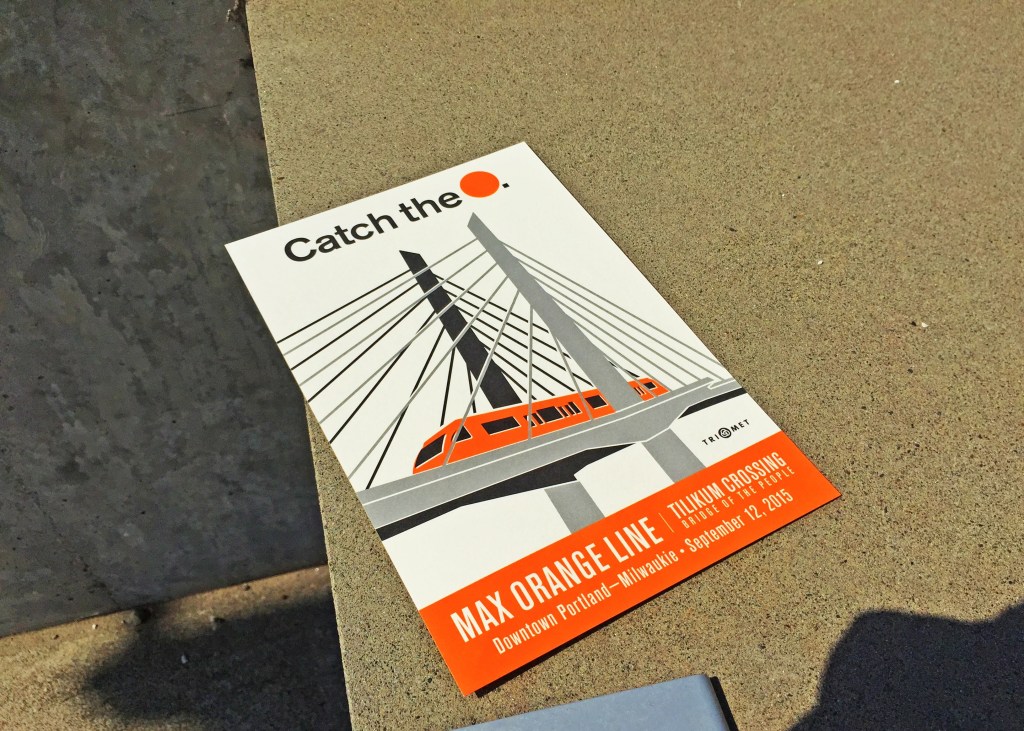
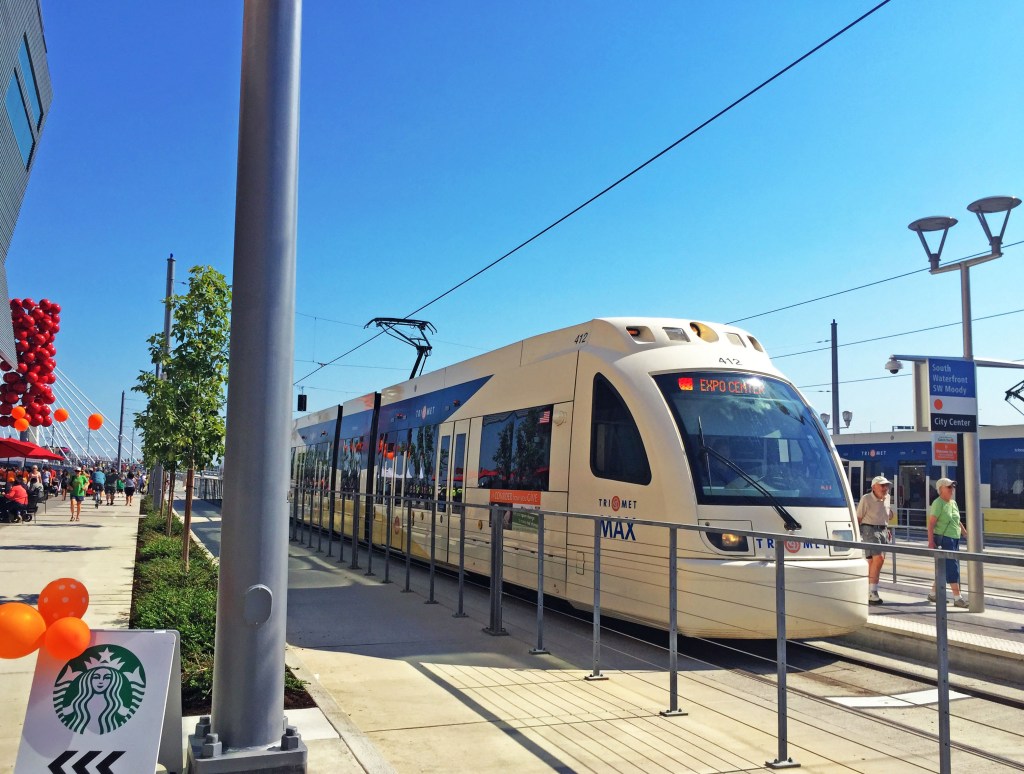
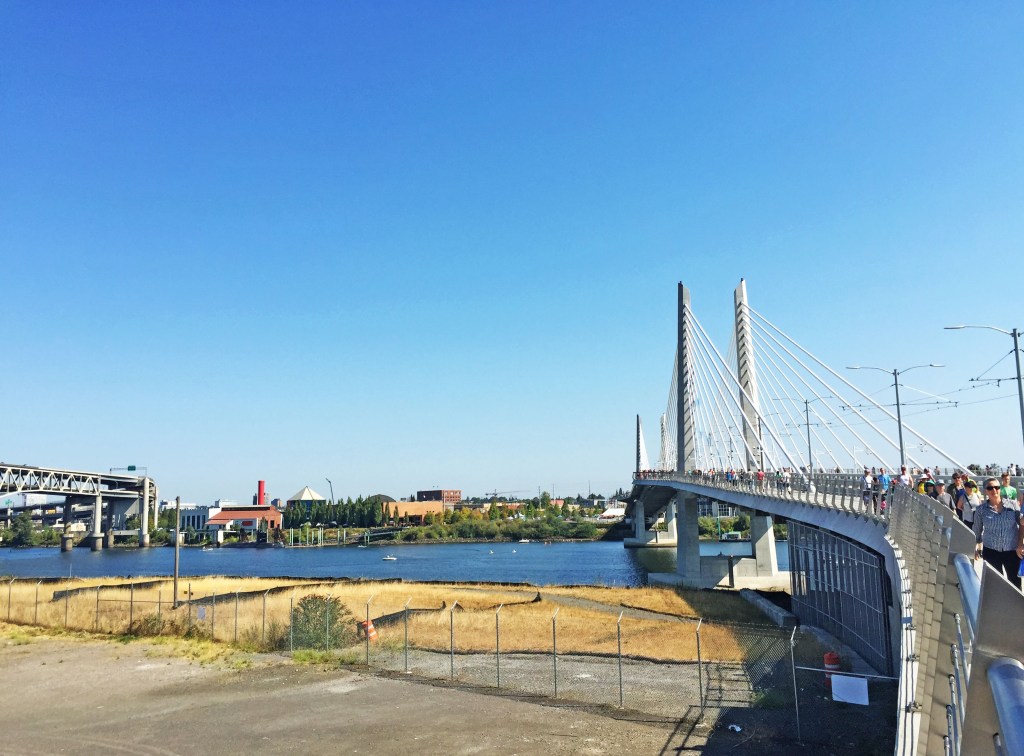
The bridge was not entirely new to me. I stood here on its opening day in 2015, when the structure was first introduced to the city as part of the MAX Orange Line expansion. At that time, the crossing was defined by attention. It was something to witness, not just to use.
I arrived then by rail, moving onto the bridge as part of a larger system that was still being understood in real time. The space was more crowded, and the atmosphere carried a sense of occasion that extended beyond the act of crossing itself.
☉
Then and Now
Looking back, the physical structure of the bridge has not changed in any significant way. The pylons, cables, and pathways remain exactly as they were at opening. What has changed is how the space is used and perceived.
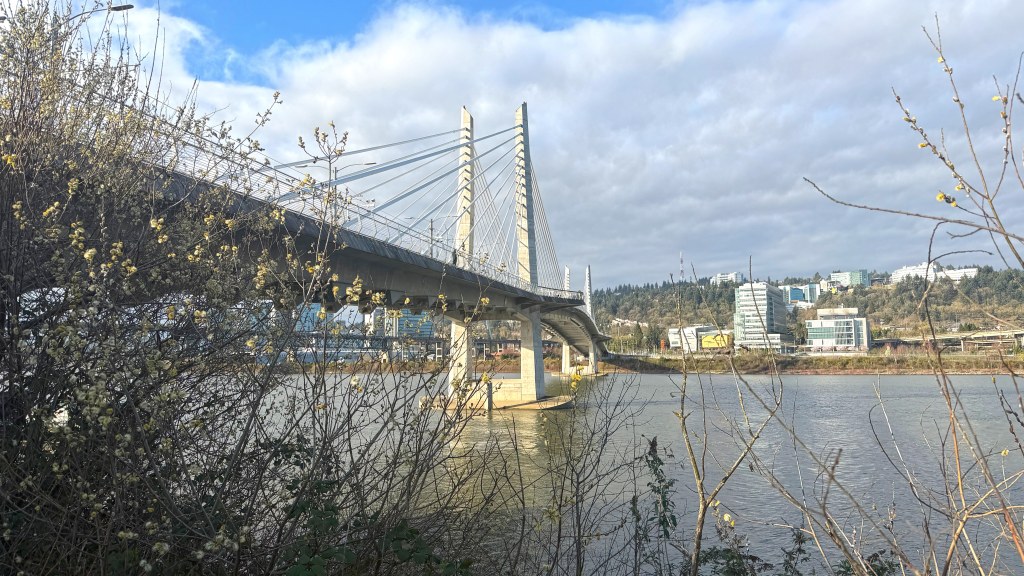
In 2015, the bridge functioned as an event. In 2026, it functions as part of the city’s regular movement patterns. The activity on the bridge is consistent, but it no longer draws attention to itself. It operates quietly within the broader system of the city.
Return, Revisited
Walking the bridge now, the experience is defined less by discovery and more by recognition. The structure no longer presents itself as something new, but as something integrated. Its purpose is clear, and its design continues to support that purpose without excess.
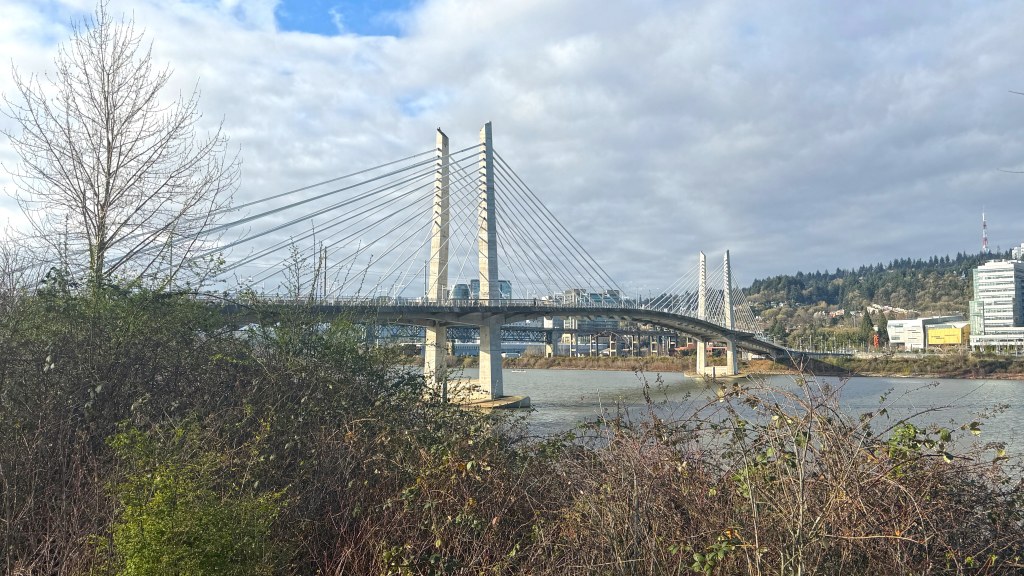
The measure of the bridge is not in how it was introduced, but in how it continues to function. It remains a space where movement is shared, where speed is not imposed, and where crossing the river can exist as something more deliberate than routine.
 Scott Bryant
You must be logged in to post a comment.