

Cultural Notes — Silent Film
Wings (1927)
Starring Clara Bow
Regal Bridgeport Village Cinema, Tigard, Oregon
Auditorium 17
Monday, March 23, 2026 — 12:00 PM
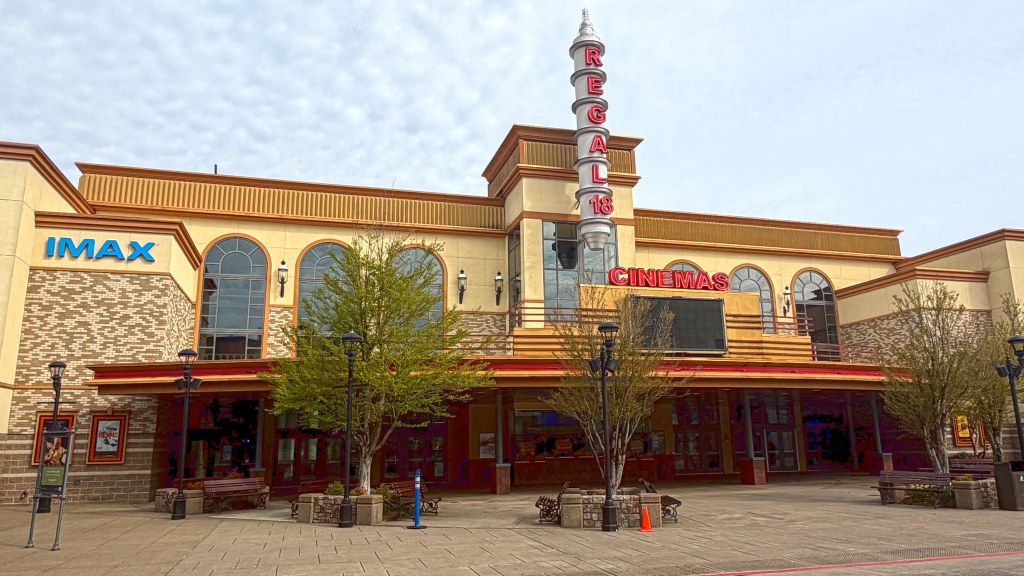
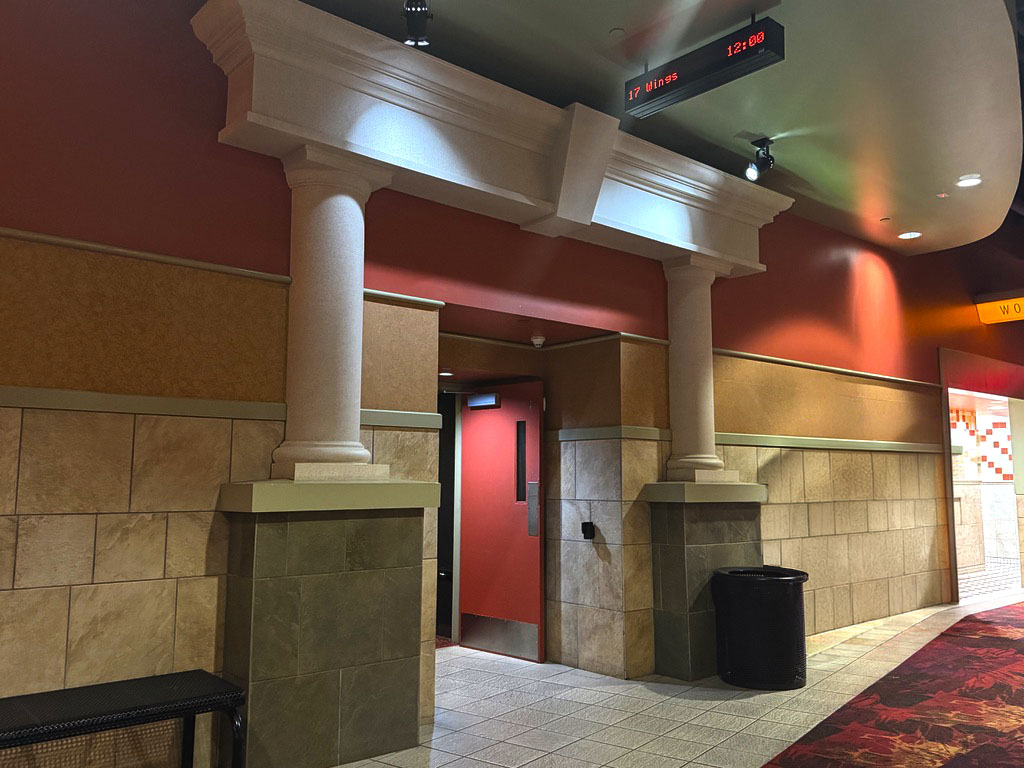
★
Seeing a nearly 100-year-old Academy Award–winning film in a theater in 2026 creates a quiet contrast. The space is modern; what unfolds on screen belongs to another century. Within that gap, Mary Preston’s movement—from domestic life into war and through the environments it produces—emerges as a continuous thread that reframes the film.
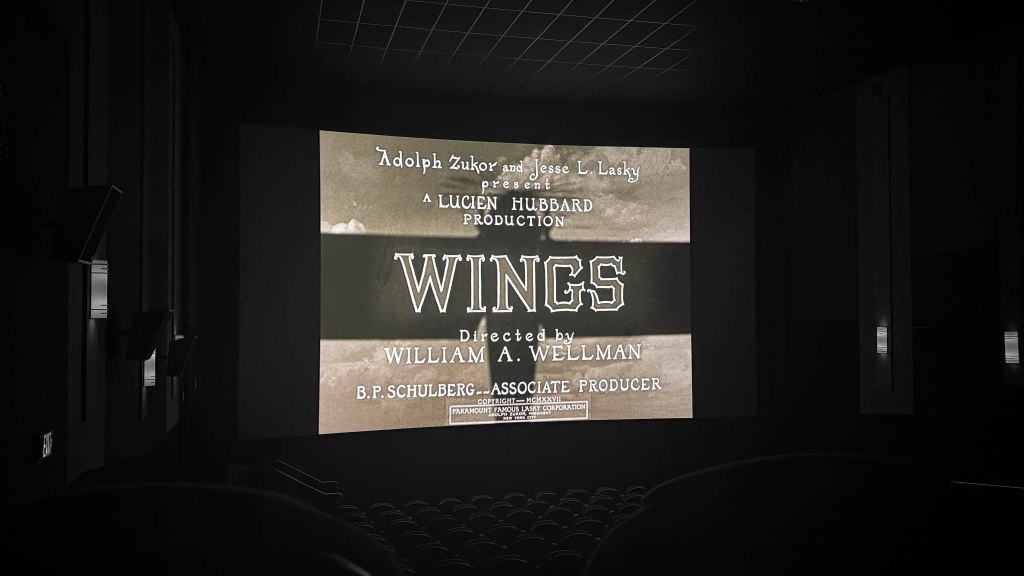
Mary Preston is introduced within a domestic, prewar setting where Clara Bow’s presence emerges through action rather than explanation. Gesture and movement define her. She is shaped less by archetype than by immediacy.
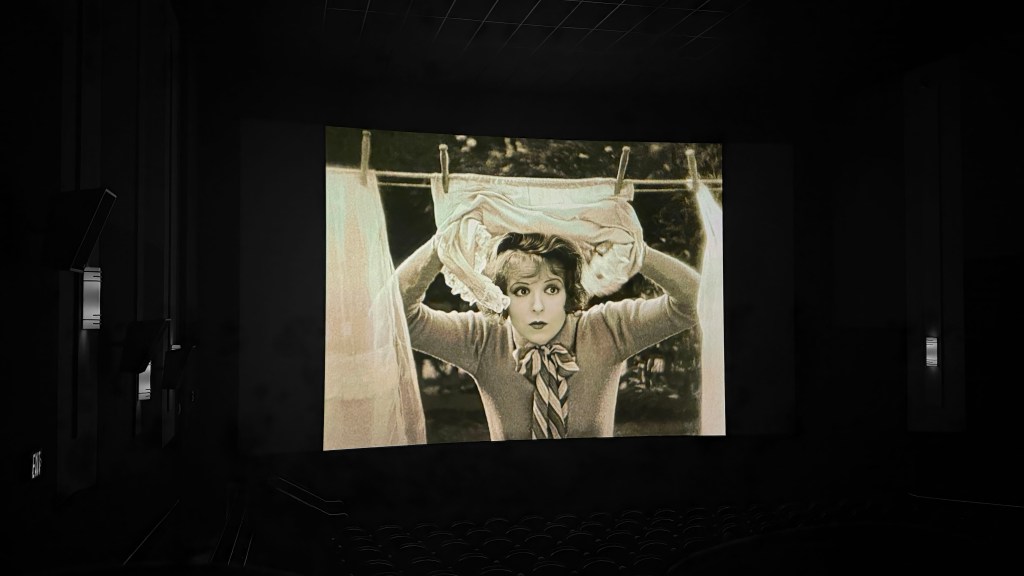
Her energy is playful, confident, and physically expressive. The film lets those qualities register through small interactions rather than grand declarations, giving her a liveliness that feels active within the frame, not preserved behind glass.
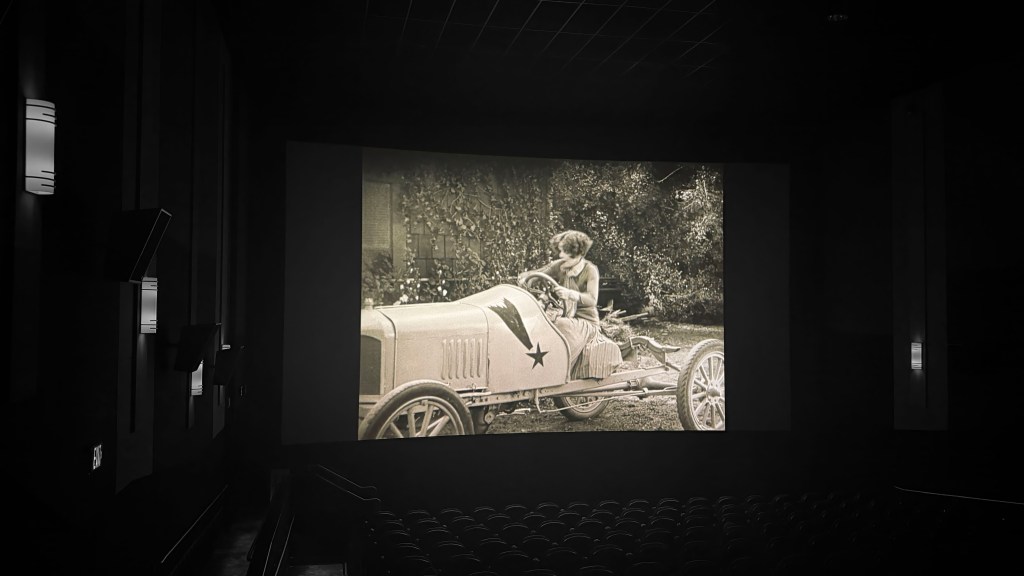
That quality becomes especially clear when she helps with the car. The moment begins in ordinary proximity and light teasing, but shifts when the vehicle is described as a shooting star—and she paints one onto it.
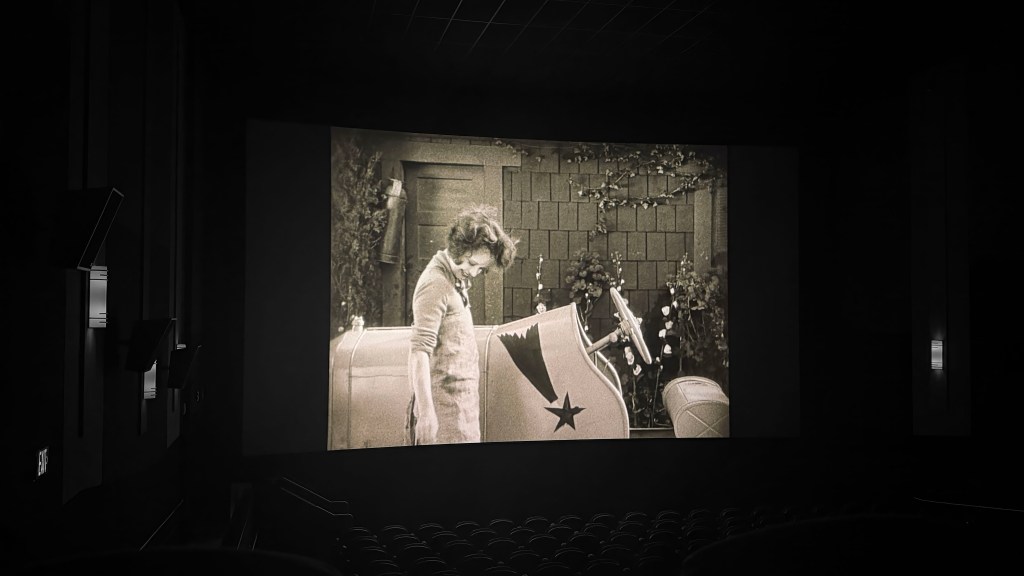
The gesture is spontaneous. It is also quietly foundational, introducing an image that carries beyond the scene and links memory, movement, and recognition across the film.
When the car departs and she remains behind, the shift is understated but present.
The mark moves forward.
She does not.
Set in 1917, before the full force of war overtakes the story, the separation feels incomplete, not final. The film holds briefly within a smaller world—youth, flirtation, and ordinary life—before that world is redefined.
The transition into war expands the frame outward. Intertitles describe youth as laughing, weeping, and living heedlessly while a cloud spreads across the world until its shadow touches every living person. Then the word WAR appears. It carries a certainty the earlier imagery only suggested.
The film does not stop there. It continues with the idea that youth answered its challenge, shifting from declaration to response.
This is where Mary’s trajectory begins to clarify.
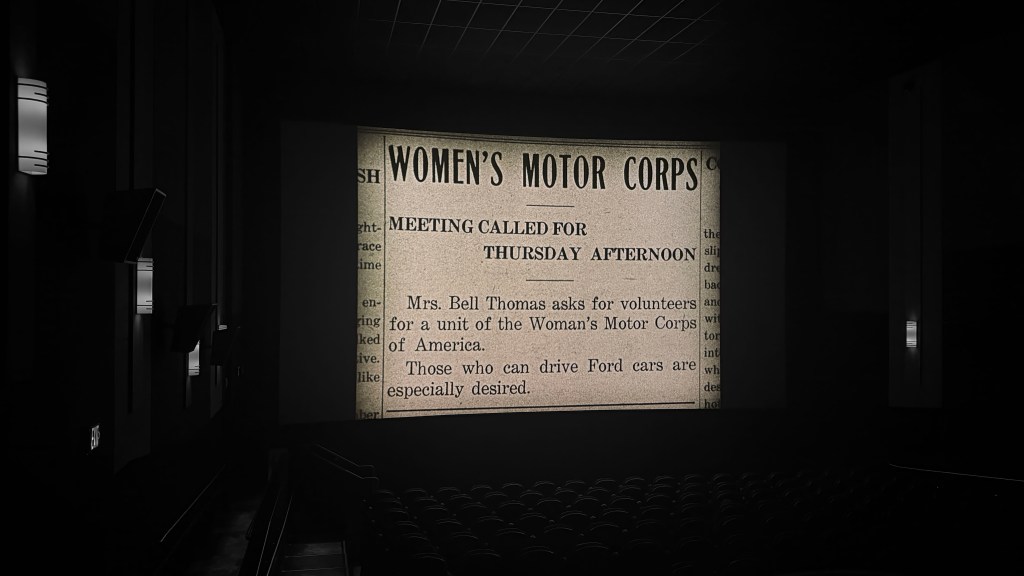
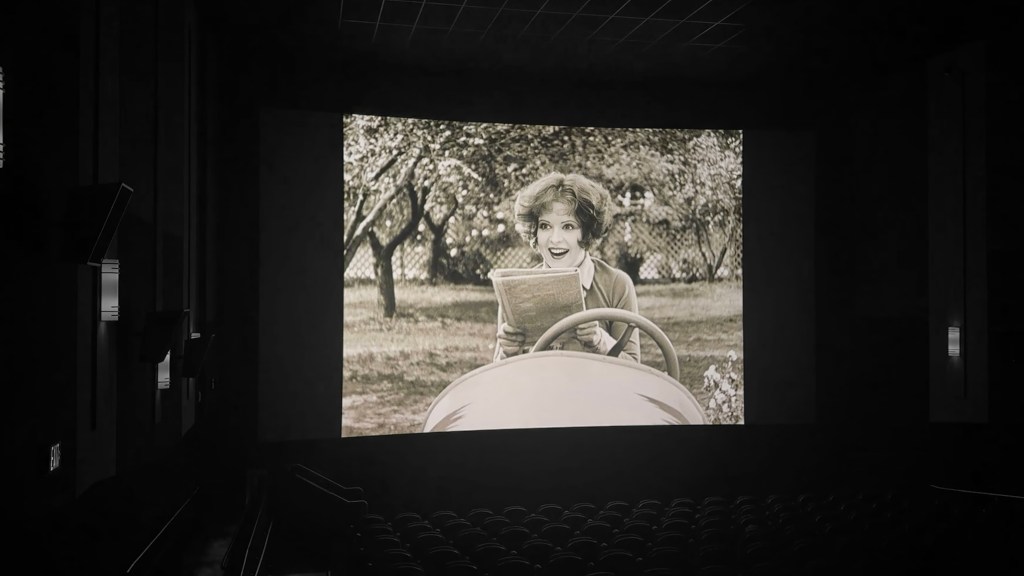
She moves toward participation as a woman ambulance driver, and that choice anchors her within the film’s emotional structure. She is no longer adjacent to change—she enters it.
✦ Movement and Structure
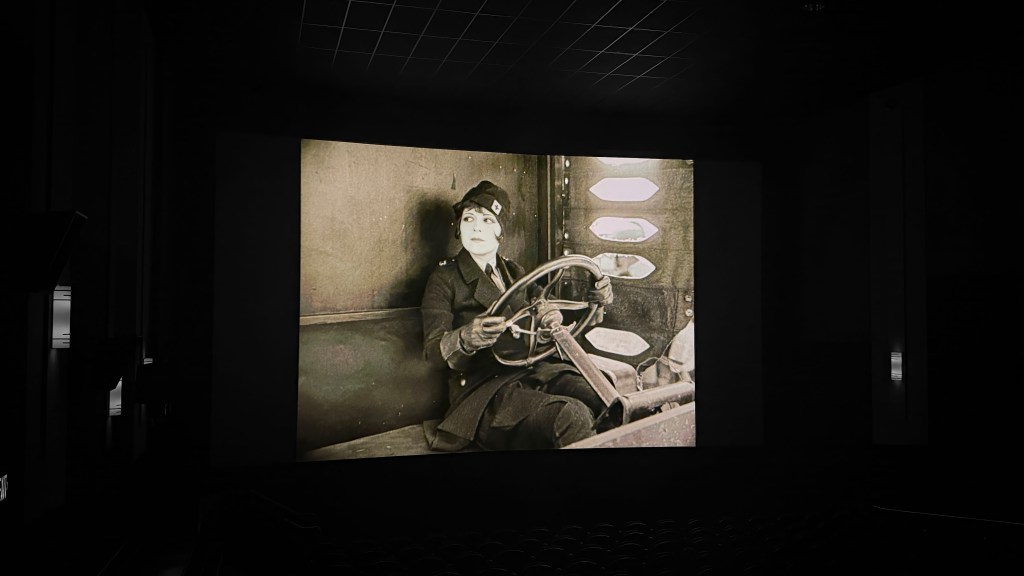
As her role shifts from possibility into action, movement becomes the condition through which she exists. The vehicle that carries her forward also situates her within the structures of wartime experience.
Driving, at first a gesture of independence, becomes shaped by external systems. Direction is no longer entirely her own.
✦ War and Exposure
As movement gives way to impact, the environment around her begins to collapse. Instability, previously contained beneath the surface, becomes visible.
When bombardment falls, the structure that carried her forward no longer offers direction—it becomes shelter. She abandons the driver’s position and takes refuge beneath the ambulance. The machinery of movement becomes a shield.
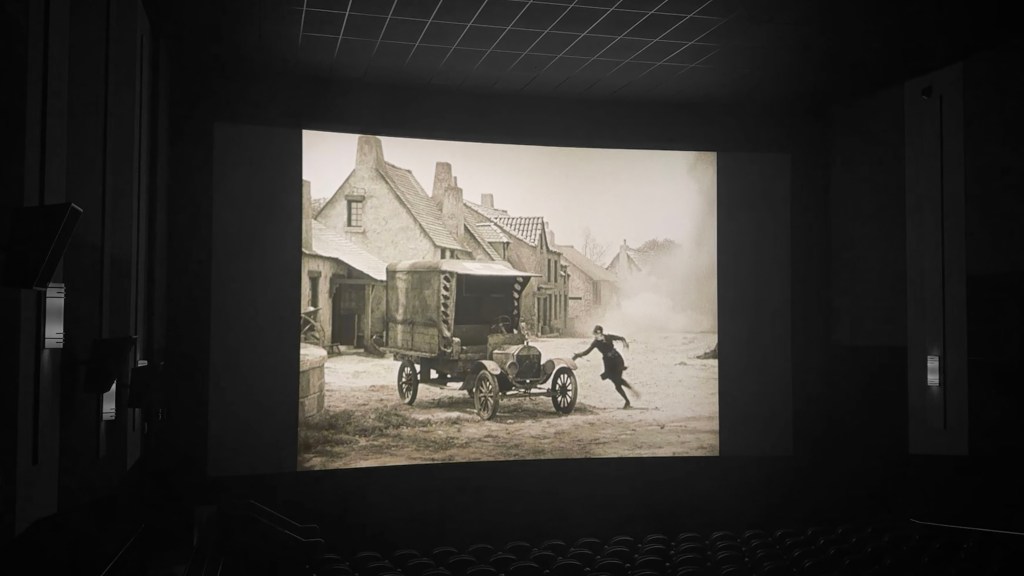
In that moment, the distinction between participation and exposure disappears. Her role shifts. She is no longer defined by motion, but by survival.
The environment cannot be organized. It cannot be contained.
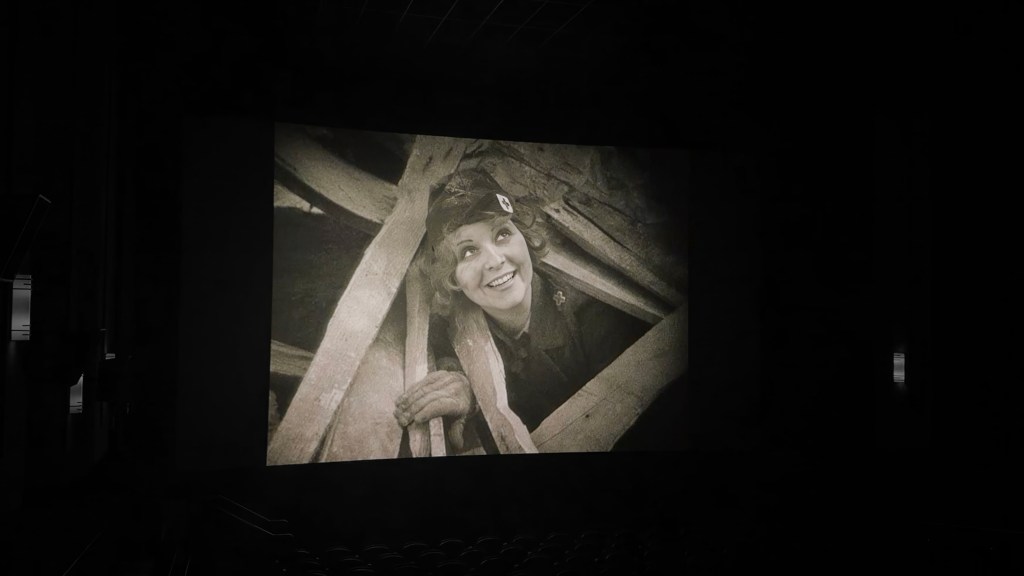
And yet her presence remains. It does not disappear with the structures around her. What persists is not performance, but continuity—the same thread first visible in the mark she left behind, carried forward into a world where action and consequence are no longer separable.
✦ Paris and Performance
Paris in wartime is described as the capital of the world’s gaiety, crowded with soldiers on leave from death, trying—however briefly—to forget. Within that atmosphere, Mary moves with purpose. She is not decorative. She is already shaped by service.
When she notices a painted shooting star on a café window, the image does not function as a romantic clue. It functions as continuity. What she once painted in play reappears in a transformed city. The symbol returns to her, carrying her earlier action forward into a new context.
This becomes visible in Paris when she is handed an official notice addressed to the American Military Police, instructing officers and enlisted men to return to their commands under penalty of court martial. The language is formal and absolute. It introduces the full weight of structure into her space.
In accepting the paper, she is briefly mistaken for authority. She is drawn into mechanisms of enforcement and return, not as someone pursuing a single figure, but as someone momentarily positioned within a system that regulates all bodies in motion. What follows is not a search for a person, but a passage through environments reorganized by command, urgency, and obligation.
Inside Paris, the film constructs spaces remembered for spectacle but structured by performance. Identity is shaped through gesture, proximity, and attention. Presence is not fixed. It is enacted.
Mary’s encounter with another woman becomes a point of transmission. She is not competing. She is learning how to move within that space. The femininity presented here belongs to a space defined by impermanence, desire, and departure.
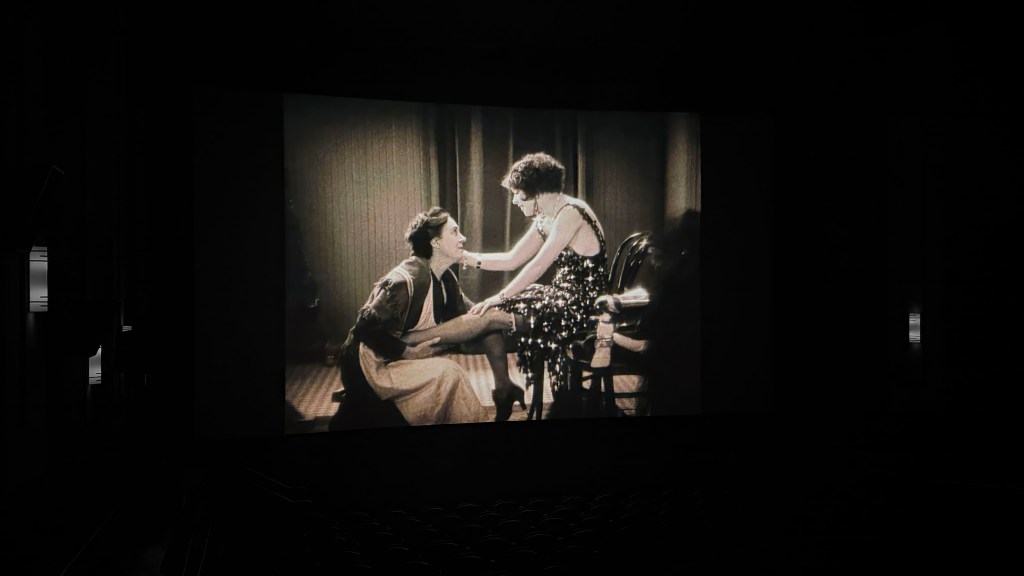
The encouragement she receives does not resolve her uncertainty. It redirects it. Adaptation requires not the recovery of something lost, but the deliberate adoption of something new.
When she attempts, in private, to shed that adopted performance and return to her role as an ambulance driver, the moment is interrupted. Military authority enters. The boundary between personal space and institutional presence collapses. What had been a self-directed act becomes one of exposure.
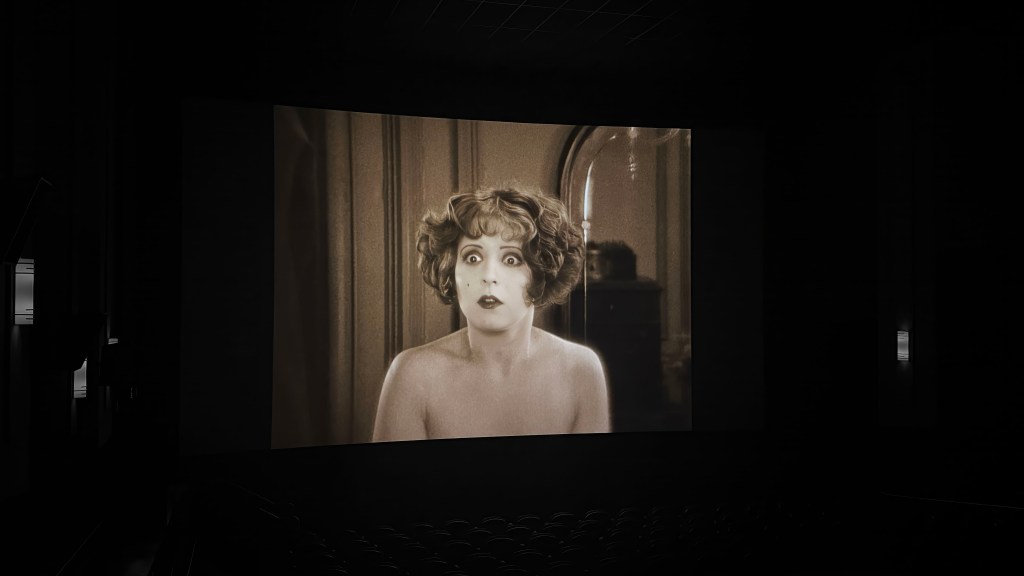
This tension runs throughout the wartime setting. Agency exists, but remains vulnerable to interruption.
Clara Bow’s presence exceeds the narrative that attempts to contain her. Yet what emerges is more complex. Her movement through spaces, performances, and interruptions forms a parallel structure that resists containment.
Her body is alternately concealed, emphasized, and briefly exposed. That shifting treatment mirrors the film’s broader negotiation between agency and control. It extends into costume itself, marking an early moment in the shaping of what would become Edith Head’s career.
In 2026, her face does not feel preserved. It feels present.
 Scott Bryant
You must be logged in to post a comment.