
Personal Reflections
A space for thoughtful writing shaped by attention, care, and lived experience. These posts explore art, performance, memory, women’s stories, and quiet moments. What’s shared here is observational rather than declarative, guided by curiosity and restraint.
-
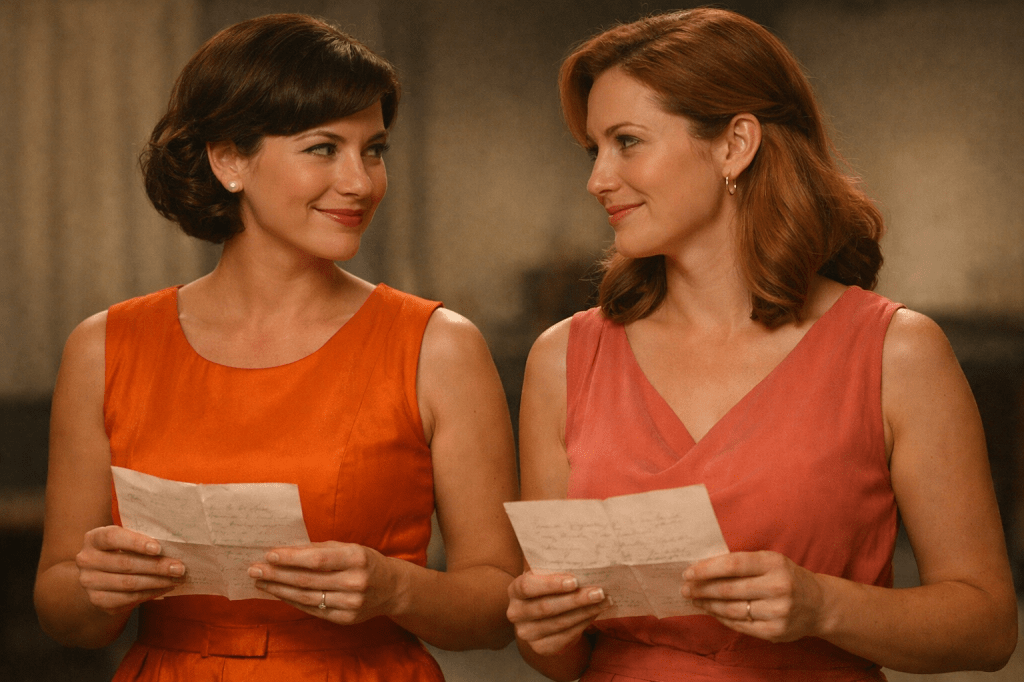
Protecting Whimsy: Tigard High’s “Merry Wives of Windsor”
—
In Tigard High’s “Merry Wives of Windsor,” whimsy became something more than comic relief — it became defiance. This was Shakespeare filtered through jazz, rhythm, and rebellion: a queer, feminist, and joyously modern retelling shaped by courage, community, and play.
-
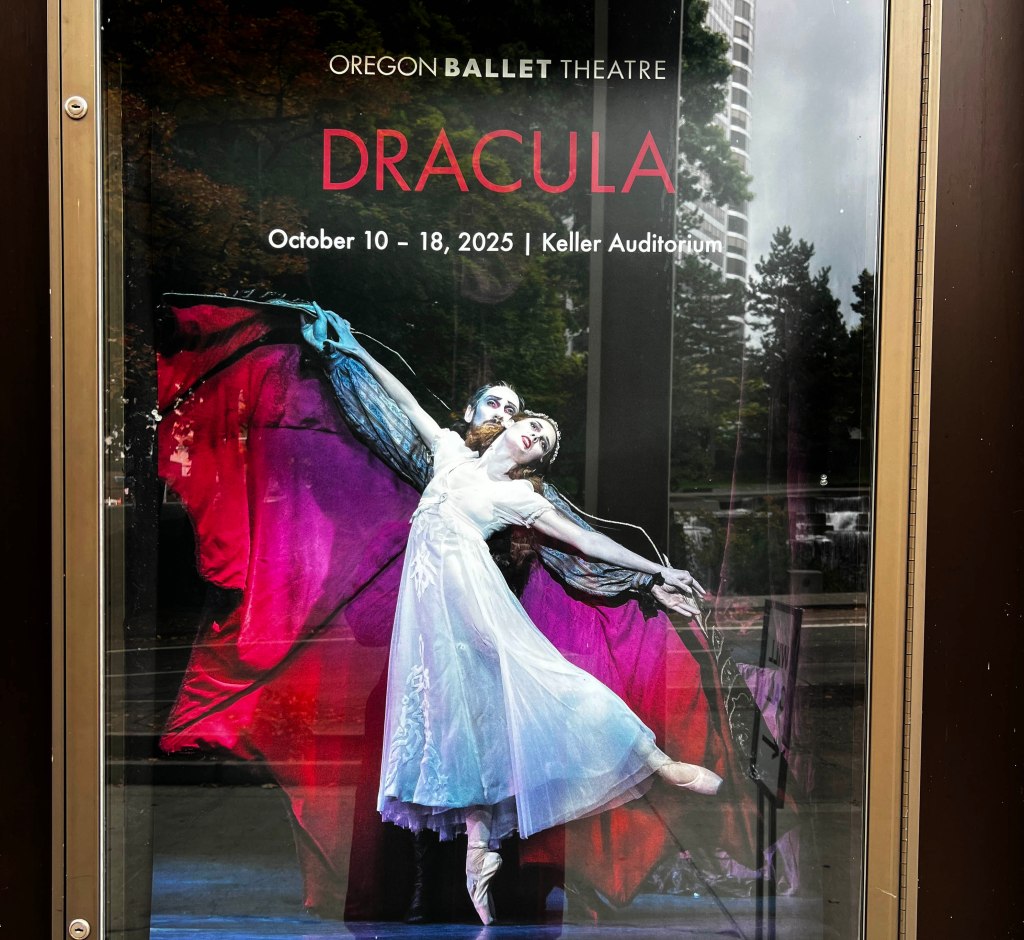
“Dracula”: A Ballet in Shadow and Flame
—
In Oregon Ballet Theatre’s “Dracula,” myth becomes movement — desire, fear, and grace rendered in shadow and flame. A ballet not watched, but felt: a haunting danced into silence.
-
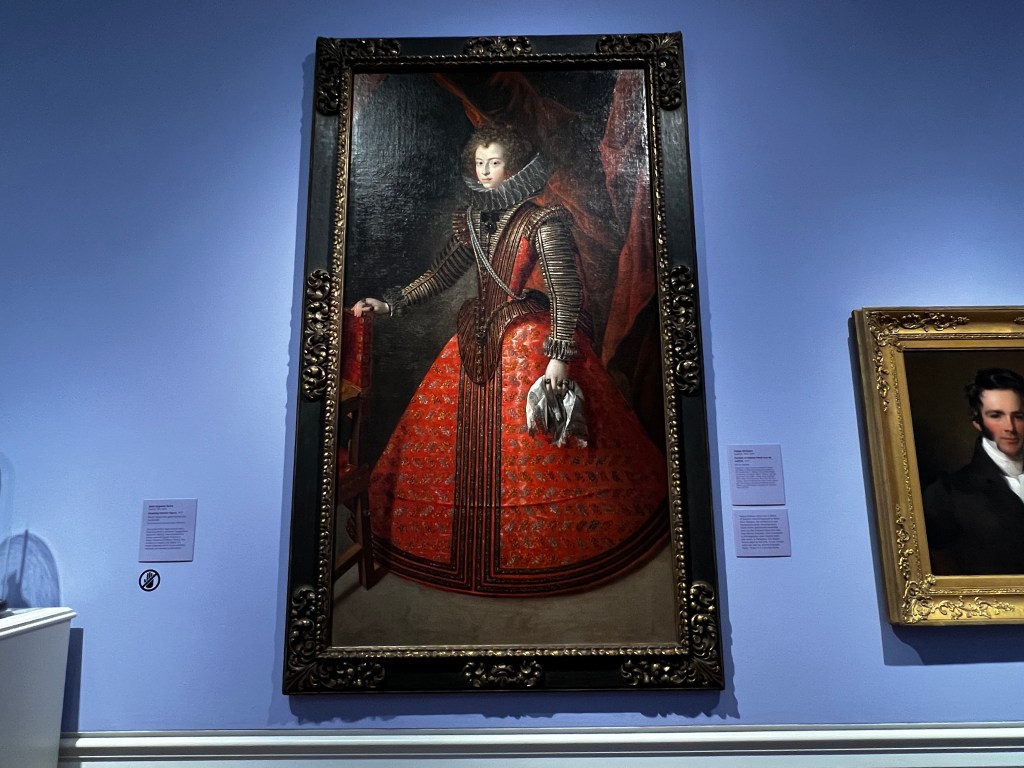
The Pearl and the Princess: Standing Before ‘Infanta María Ana de Austria’ (1630)
—
Before the ballet curtain rose, I found myself in another theater — the European galleries of the Portland Art Museum. There, among centuries of ceremony and silence, one portrait held me still: Felipe Diriksen’s Infanta María Ana de Austria, a woman painted into history yet still, somehow, alive.
-
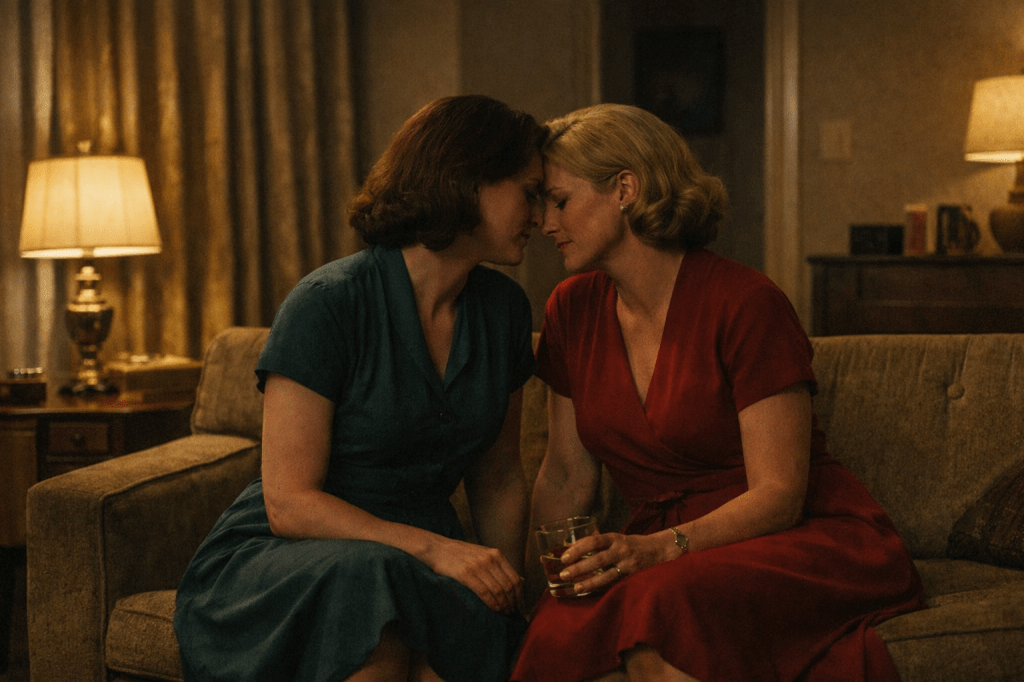
‘Dial M for Murder’: Soft Drapes, Sharp Edges
—
Clackamas Repertory Theatre’s “Dial M for Murder” proved to be more than a clever thriller. Under Karlyn Love’s direction, Margot and Maxine carried the heart of the story, reframing a mid-century classic as a matinee worth preserving in the archive.
-

Walking Lightly Between Worlds: A Visit to ‘Sasquatch: Ancestral Guardians’
—
A visit to ‘Sasquatch: Ancestral Guardians’ becomes an invitation to slow down, listen, and reconsider a familiar figure beyond pop culture. This reflection explores how Indigenous perspectives reframe Sasquatch not as spectacle or myth, but as relationship—one that asks us to walk lightly between worlds.
-
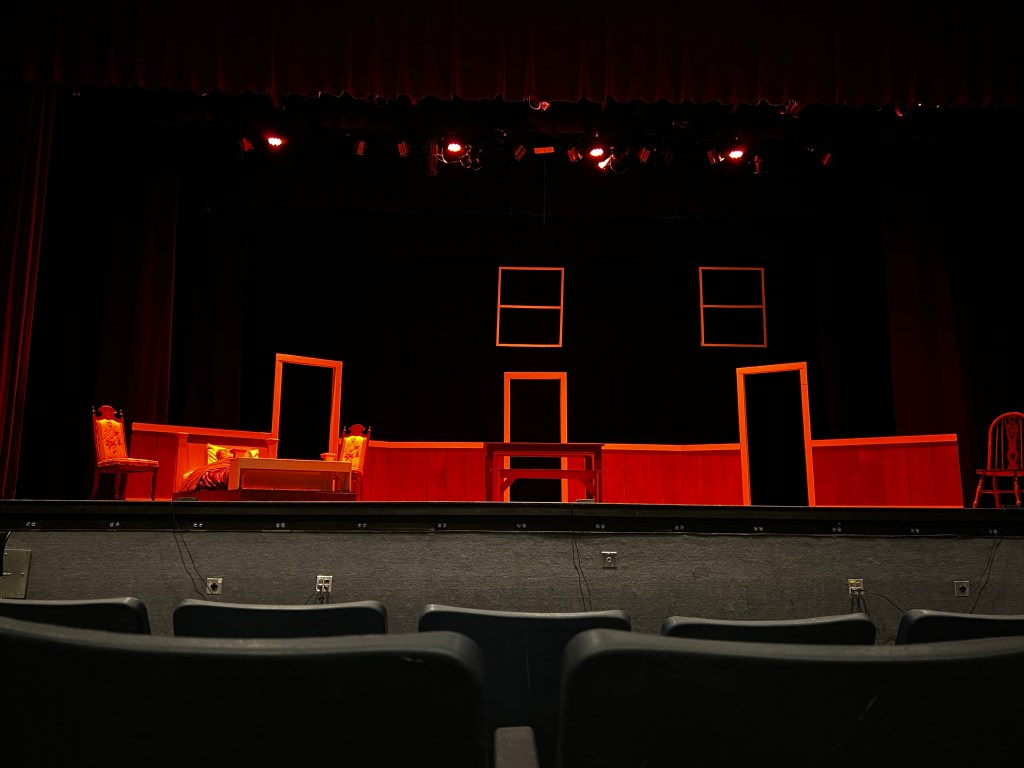
‘The Crucible’: A Reckoning Performed in the Present Tense
—
Performed by Gen Z students, Tualatin High School’s “The Crucible” was no classroom exercise. Reframed through a generation raised amid misinformation and contested truths, the production collapsed historical distance, turning Miller’s allegory into urgent, present-tense theatre.
-

More Than One Voice: This American Stands with Global Allies
—
Leadership changes, policies shift, but bonds between nations—between people—run deeper than any administration. As an American, I choose to stand with global allies. Trust, respect, and shared values matter more than political whims.
-

Haunting Together: Reimagining Love Between The Bride and Madame Leota in Disneyland’s Haunted Mansion
—
The Haunted Mansion isn’t just a ride at Disneyland—it’s a realm where stories linger and spirits entwine. Among its ghosts, The Bride and Madame Leota stand out. What if they were lovers, their bond transcending life and death? Reimagining their connection adds a timeless depth to Disneyland’s most enchanting attraction.
-

Enough Words: Allyship Demands Accountability to All Women
—
Allyship isn’t a label or performance—it’s action. It’s about dismantling harm, amplifying women’s voices, and holding yourself accountable without expecting recognition. Empty gestures and silence perpetuate inequality. Women deserve more than words; they deserve real change. It’s time for men to step up, show up, and make accountability their priority.
-
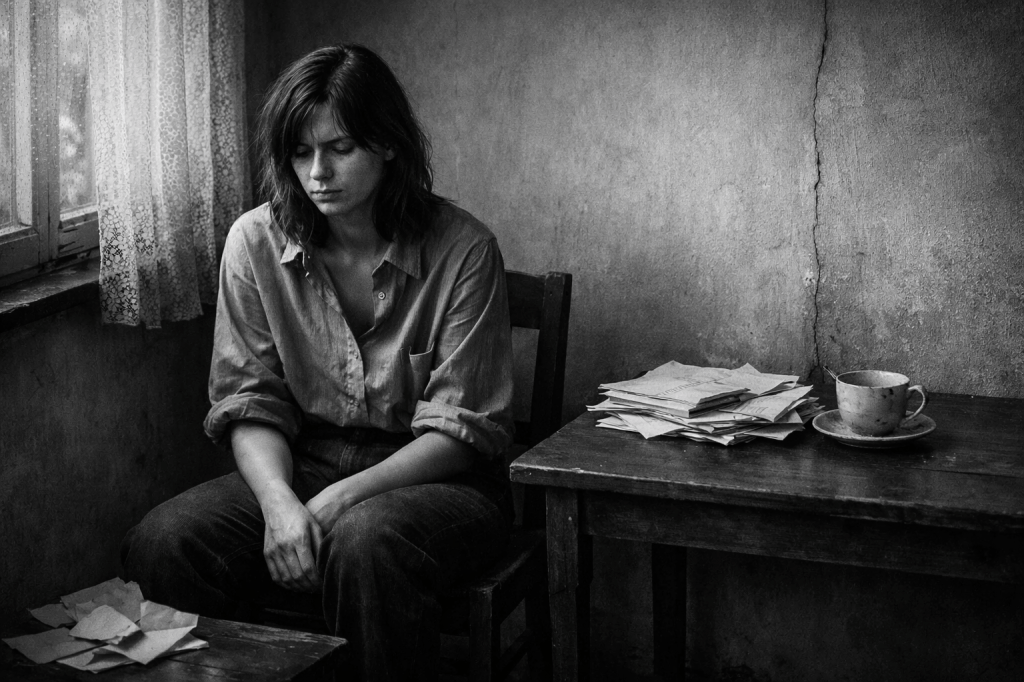
The Unwritten: Exploring What ‘Je Tu Il Elle’ Doesn’t Say
—
Chantal Akerman’s “Je Tu Il Elle (1974) is about loneliness and connection. It focuses on silence and small, everyday moments to explore intimacy in a raw, honest way.
-
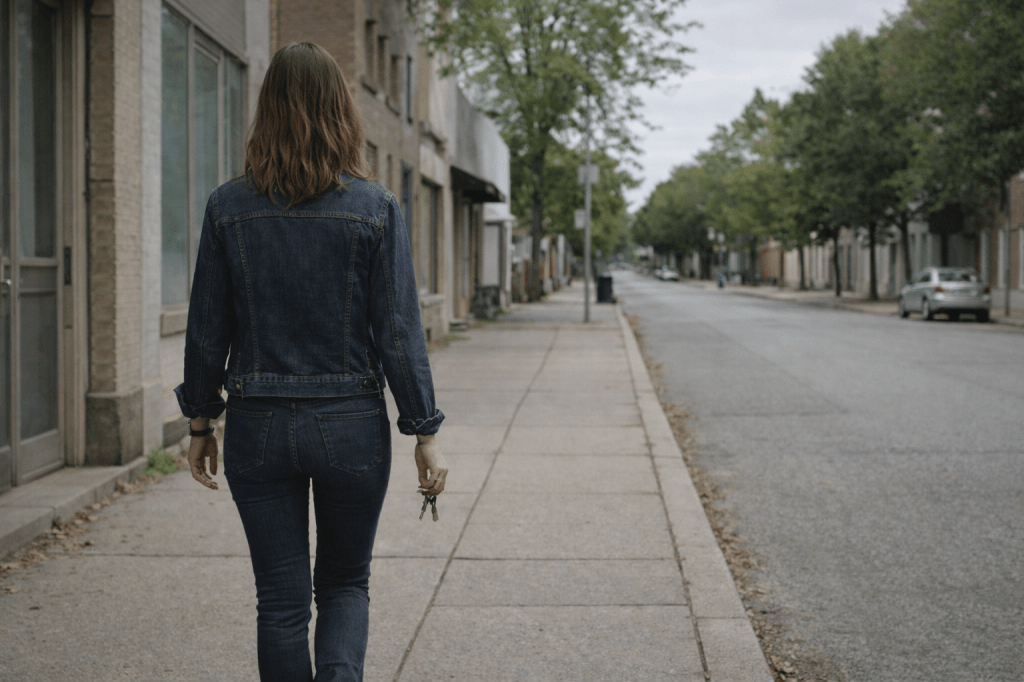
Listening Without Deflection on Morgan St. Jean’s “Not All Men”
—
A reflection on Morgan St. Jean’s “Not All Men” and what happens when listening replaces defensiveness. The song reframes a familiar phrase not as reassurance or exception, but as a moment that asks for attention, empathy, and the courage to hear women without deflection.
-
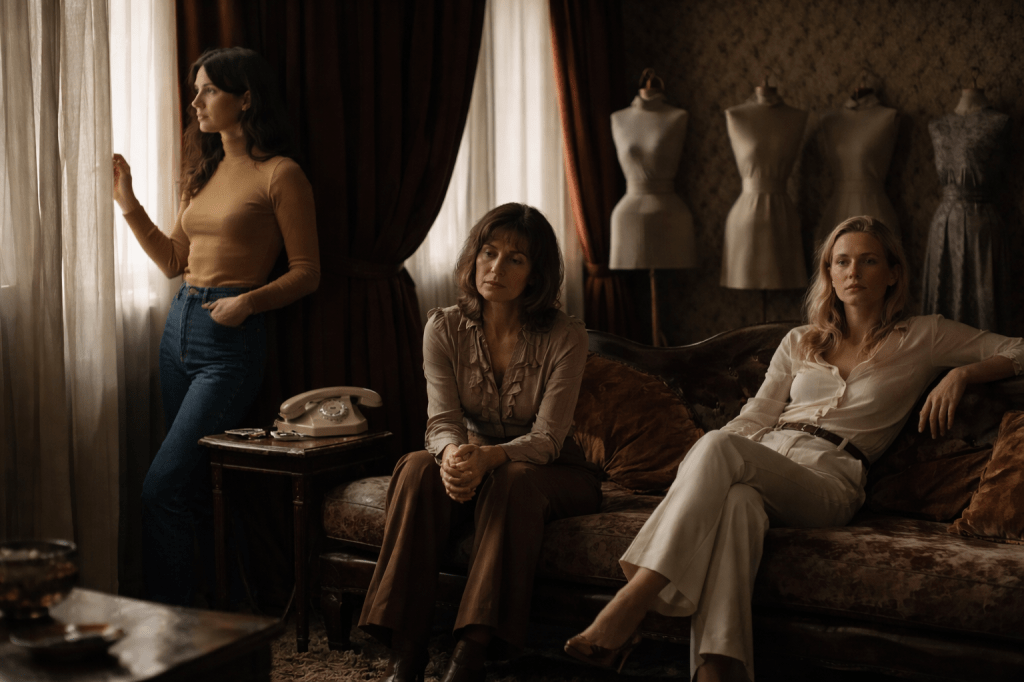
Love, Power, and Resistance: A Feminist Reading of ‘The Bitter Tears of Petra von Kant’
—
Rainer Werner Fassbinder’s 1972 film, The Bitter Tears of Petra von Kant (Die bitteren Tränen der Petra von Kant) is a masterclass in emotional power dynamics and gendered relationships, unfolding within the confines of a single room—a space both lush and claustrophobic, adorned with mannequins, heavy fabrics, and opulent furniture that suffocates.
-
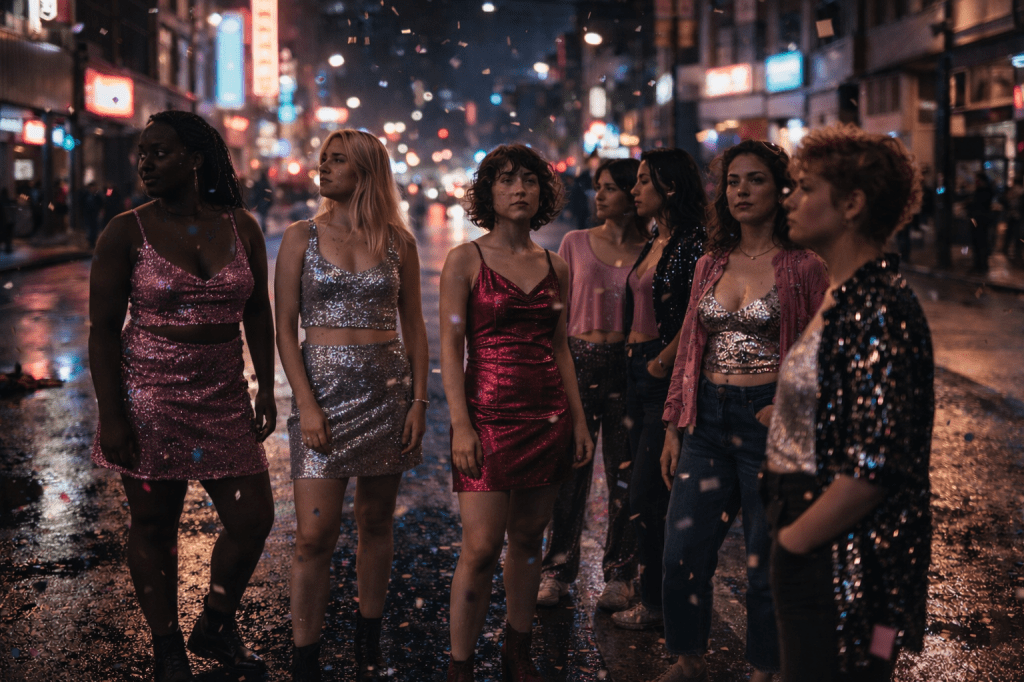
Why Girli’s “Matriarchy” is the Glitter-Covered Anthem We Need Right Now
—
Girli’s “Matriarchy” is a glitter-soaked anthem of feminist joy, turning rebellion into celebration — proving protest can sparkle, dance, and imagine a bolder world.
-
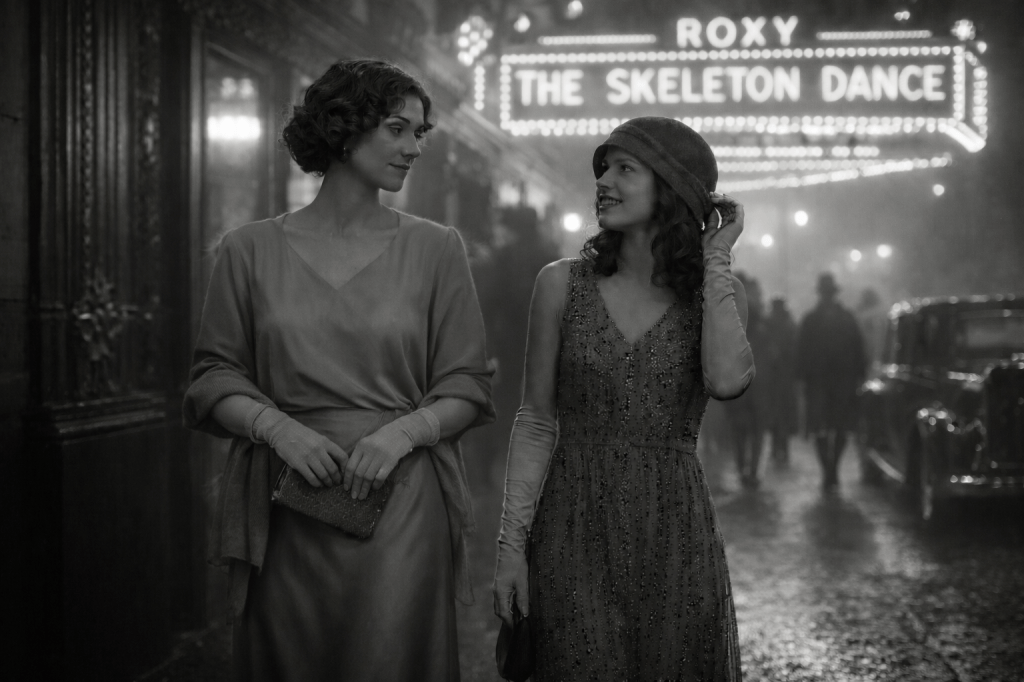
Uncovered: A Woman’s Account of Disney’s “The Skeleton Dance” in 1929
—
A forgotten diary, uncovered in the shuttered Roxy Theatre in New York City offers a vivid glimpse into 1929 Chicago and the premiere of Disney’s “The Skeleton Dance”. Through the eyes of Evelyn Harper, experience the wonder of a groundbreaking cartoon that turned skeletons into stars and redefined animation history.
-
Why Women Still Have to Explain Themselves—America Ferrera’s ‘Barbie’ Speech Says It All
—
In “Barbie”, America Ferrera delivers a monologue so raw and true it stops the film in its tracks. This isn’t just a moment in a movie; it’s a wake-up call. The real question is: Is everyone listening?
-

Embracing Independence: Alexandra’s Journey in ‘Playgirl’ (‘That Woman’, 1966)
—
In “Playgirl” (That Woman, 1966), Eva Renzi’s Alexandra Borowski embodies independence and quiet resilience. Against 1960s Berlin’s vibrant backdrop, she confidently navigates life on her own terms. Will Tremper’s film captures her authenticity and ambition, celebrating the timeless allure of carving a bold, unapologetic path and living authentically in every moment.
-

Pirates in the Queue: Anne Bonny and Mary Read Have Some Notes
—
Hidden in a quiet corner of Disneyland’s Pirates of the Caribbean queue, Anne Bonny and Mary Read watch silently from their mural. Often overlooked, these legendary pirates have stories to share—about their lives, Captain Redd, and what piracy truly meant. Look closer, and their untold tale might just come alive.
-
The Radical Power of Being Unremarkable in ‘I’ve Heard the Mermaids Singing’
—
A reflection on “I’ve Heard the Mermaids Singing” and the rare power of a protagonist who is not asked to improve, arrive, or become legible. An essay on restraint, interior life, and the freedom of being left intact.
-
Godzilla Was Never the Villain: AI, Power, and Responsibility
—
Godzilla (1954) was never about a monster. It was about consequence. This reflection explores AI through the lens of power, responsibility, and restraint—arguing that the real danger isn’t intelligence itself, but what happens when humans fail to steward what they create.
-
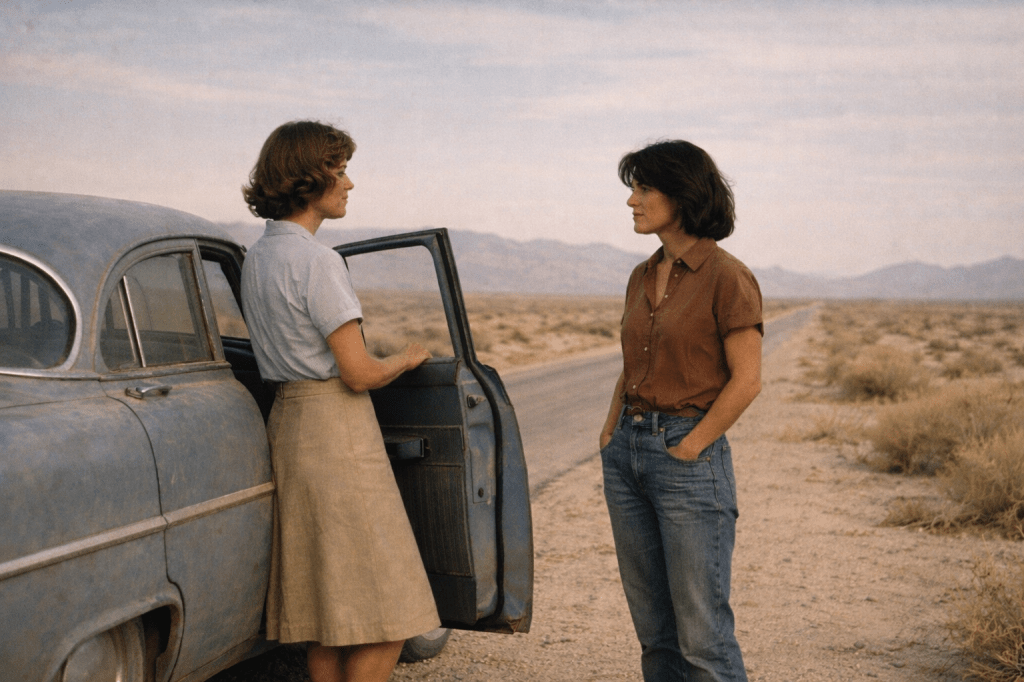
The Desert as a Character: How Landscape Shapes Desire in ‘Desert Hearts’
—
In Donna Deitch’s “Desert Hearts” (1985), love unfolds against the vast, untamed Nevada desert—a setting as transformative as the romance itself. Through moments like a rain-soaked kiss and a train station farewell, the desert becomes more than a backdrop; it’s a silent witness to courage, connection, and the quiet risks of love.
-

Blurring the Lines Between Fact & Fiction: Lessons from ‘The Watermelon Woman’
—
Cheryl Dunye’s “The Watermelon Woman” blurs the lines between fact and fiction, creating a story that feels both personal and universal. It’s a film about reclaiming erased voices and rethinking how history is told—proving that sometimes, the most powerful truths are found in the stories we create ourselves.
-

The Art of Observation: Painting as a Metaphor for Intimacy in ‘Portrait of a Lady on Fire’
—
Celine Sciamma’s “Portrait of a Lady on Fire” is a breathtaking study of intimacy, art, and belonging. In this essay, I explore its gentle grace, the intimate connection between its characters, and why it remains a statement of love, of memory, and of liberating wholeness resulting from lasting visibility.
-
The Dub That Drifted Ashore: Disney’s ‘Snow White’ in German, 1938
—
A chance encounter with a 1938 German dub of Snow White becomes a meditation on survival, voice, and accident. This reflection considers how some pieces of film history endure not through preservation or prestige, but by drifting quietly forward—noticed only when someone pauses to listen.
-

Feminism and Anarchy: The Political Heart of ‘Daisies’
—
Věra Chytilová’s 1966 feminist and political masterpiece “Daisies” (Sedmikrásky) is a Czech New Wave classic that shatters societal norms and cinematic conventions. With its surreal imagery and rebellious energy, it boldly confronts gender roles, authoritarianism, and consumerism. Discover why its powerful message continues to resonate today.
-
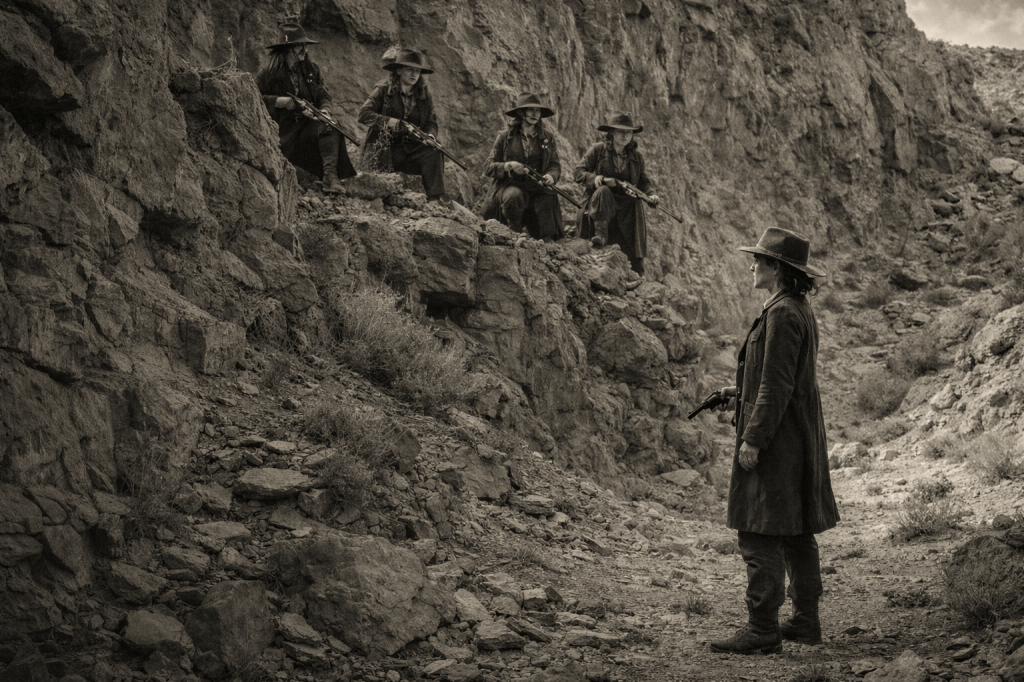
Rewriting the Wild West: If ‘The Great Train Robbery’ Starred Only Women
—
What if 1903’s The Great Train Robbery featured an all-women cast? Reclaiming the outlaw narrative, it would spotlight resilience, survival, and strategy. This bold reimagining challenges early cinema’s norms, inviting us to reflect on untold stories and the transformative power of representation in shaping the narratives we create and celebrate.
-
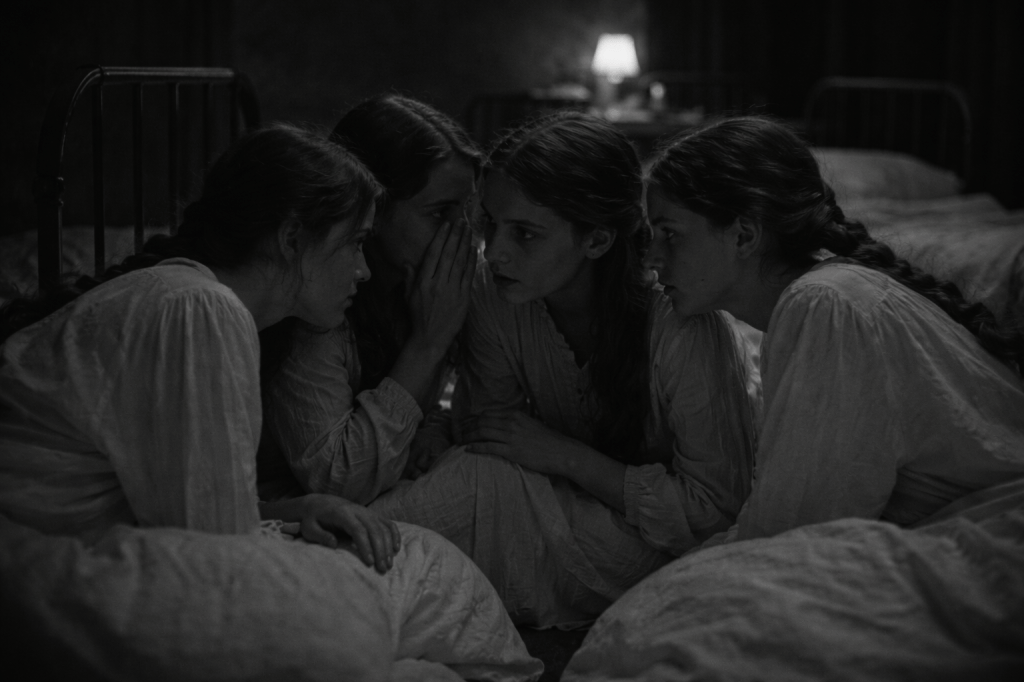
Sisterhood as Sanctuary: Community and Resistance in ‘Mädchen in Uniform’
—
Leontine Sagan’s “Mädchen in Uniform” (1931) shows how quiet moments speak volumes. Within the rigid walls of a Prussian boarding school, sisterhood becomes a sanctuary. Through shared laughter, rebellion, and care, the girls find strength in connection. This revolutionary film redefines resistance through the quiet power of community and compassion.
-
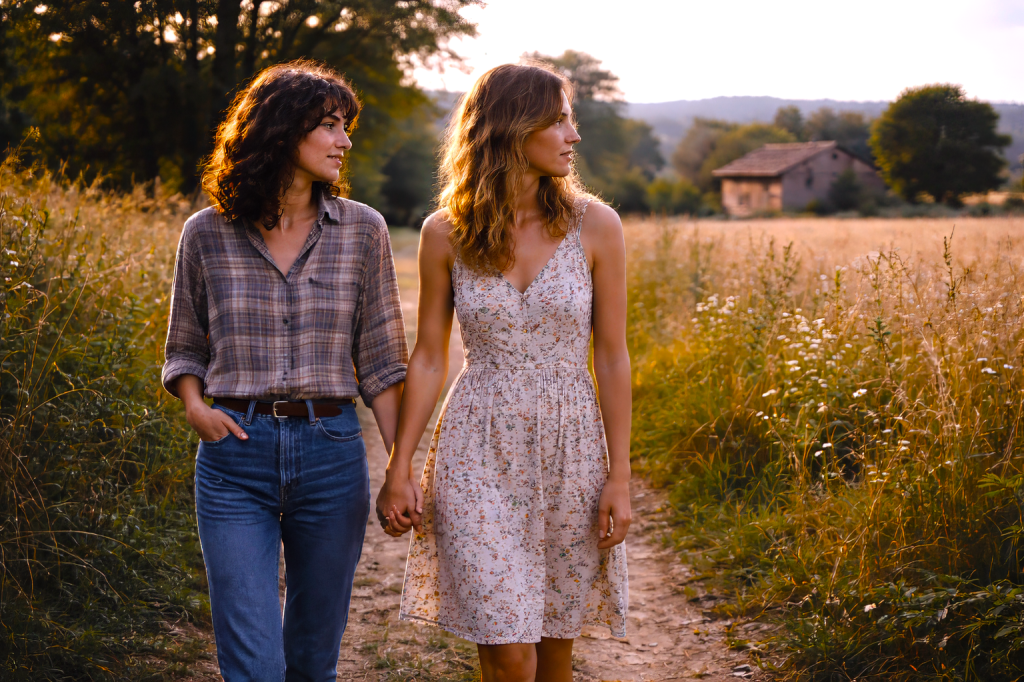
The Roads We Don’t Take: How ‘Summertime’ Captures the Weight of Choice
—
Catherine Corsini’s “Summertime” (2015) is a French film that explores love’s beauty and the weight of impossible choices. Set in 1970s France, it follows two women navigating passion, family ties, and self-discovery—a moving story of connection and sacrifice that stays with you long after the credits roll.
-
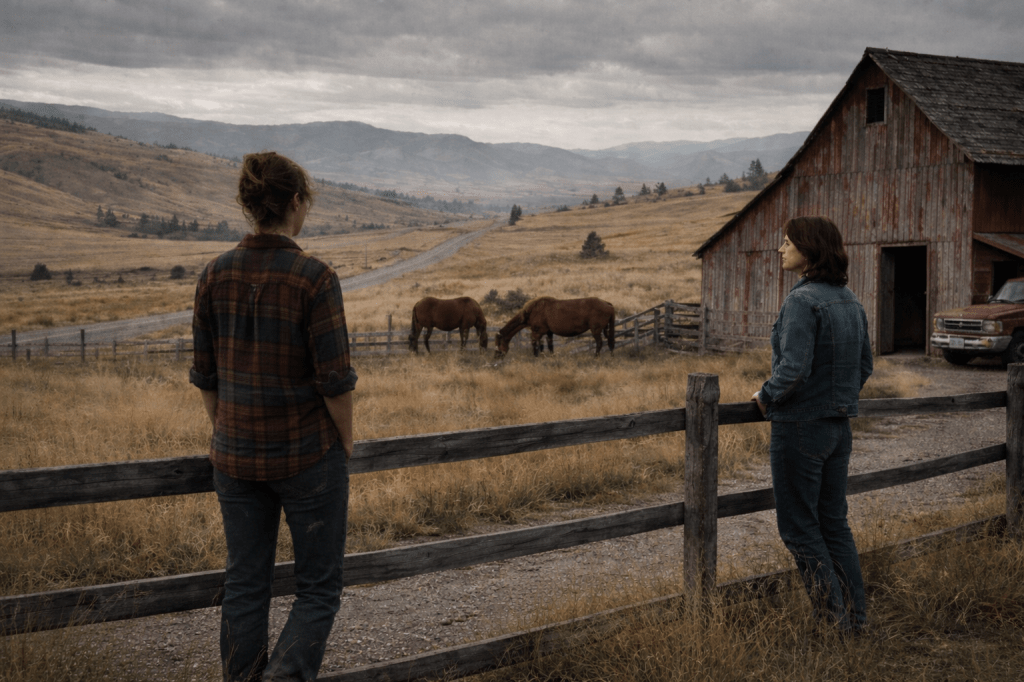
Fragments of Connection: An Ode to the Women in “Certain Women”
—
Kelly Reichardt’s “Certain Women” (2016) is a film that doesn’t explain itself—it simply unfolds, quietly and powerfully. It lingers in silences, in fleeting connections, and in lives shaped by solitude and resilience. It’s a story that stays with you, asking you to look closer, to feel more, and to truly listen.
-
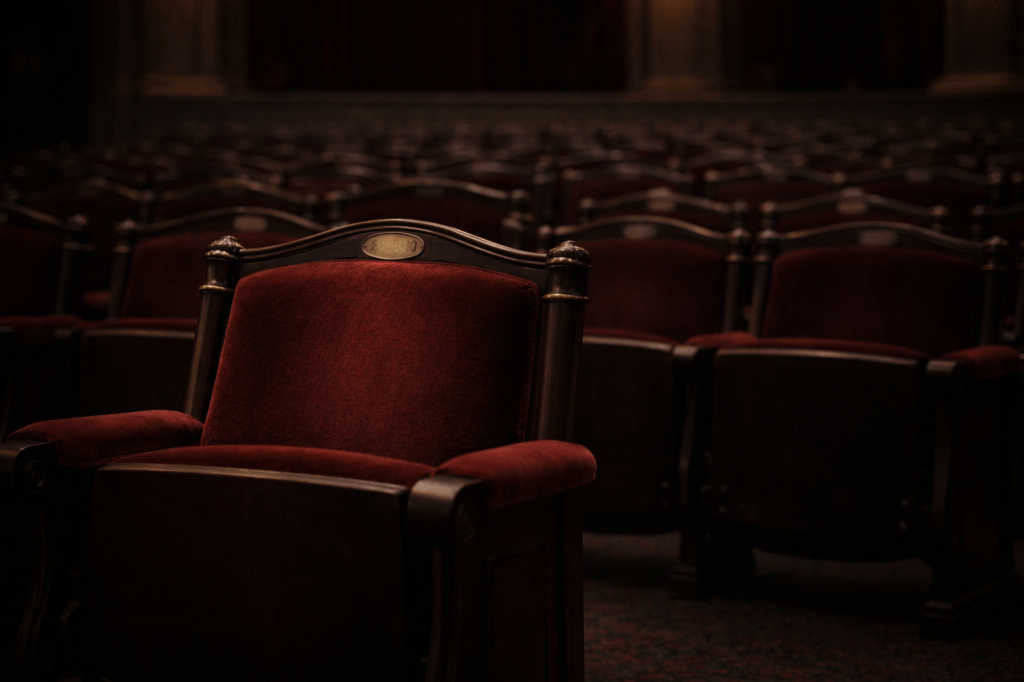
The Seat I Didn’t Know I Had
—
A memory of encountering opera without knowing its name — not as instruction or spectacle, but as posture. About learning how to sit, how to listen, and how some forms of beauty do not ask to be understood, only attended to.
-

Momentum in Motion: How ‘The Way Things Go’ Reflects the Art of Storytelling
—
A quiet reflection on “The Way Things Go” and why its chain reactions feel so satisfying—how momentum, trust, and unseen structure mirror the art of storytelling itself. A reminder that when things are set in motion with care, inevitability can feel like magic.
-
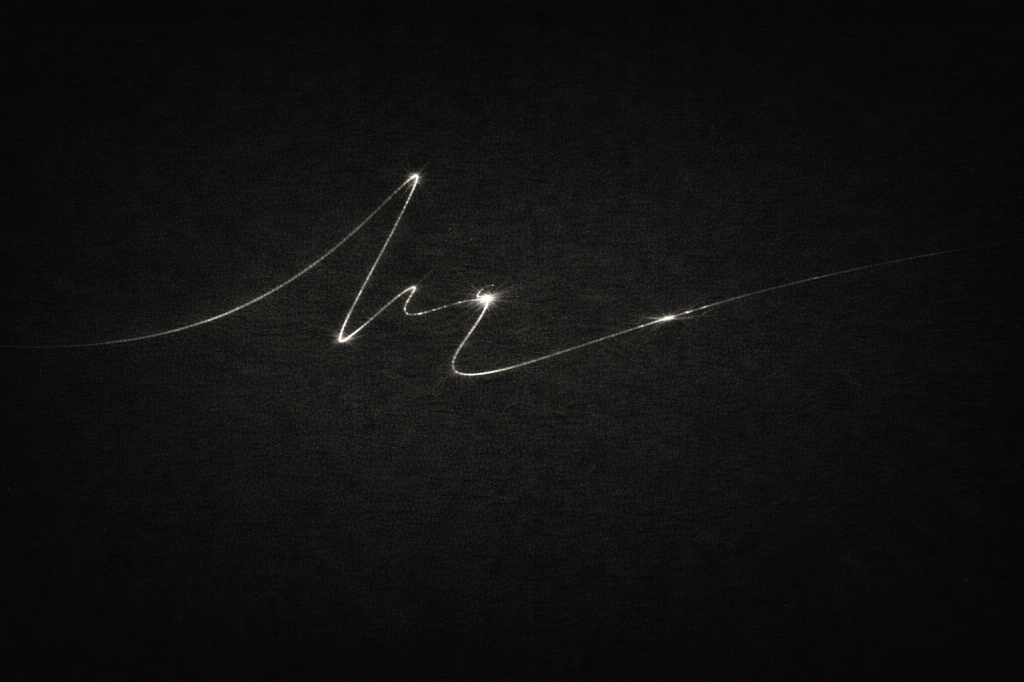
‘Bumble Boogie’: When the Music Wouldn’t Sit Still
—
I don’t remember being introduced to it. There was no warning, no framing—only motion that refused to settle. This reflection traces a moment when music, image, and attention moved too fast to sit with, and taught me how to stay present without a seat.
-

A Love Letter to Imperfect Endings: What ‘Somebody I Used to Know’ Says About Closure
—
“Somebody I Used to Know,” starring Alison Brie, isn’t your typical romantic comedy. It’s a heartfelt exploration of closure, self-discovery, and what it means to embrace life’s imperfect endings. Dive into this moving story about revisiting the past and finding the courage to step into the unknown.
-
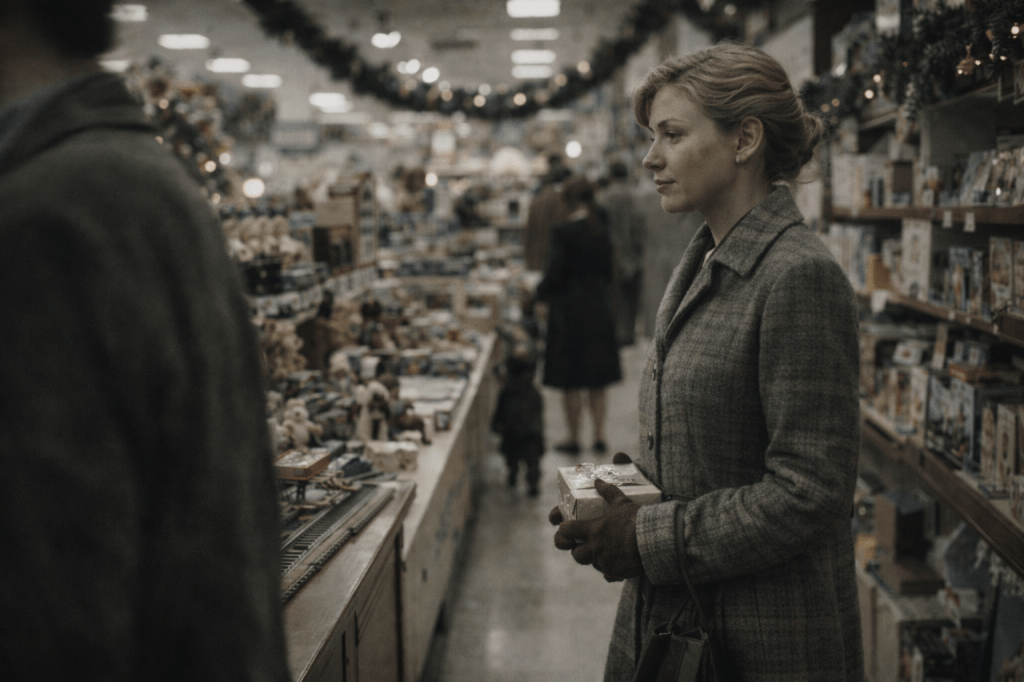
The Elegance of Silence: Why “Carol” Speaks Louder When It’s Quiet
—
Some films shout; “Carol” whispers. Todd Haynes’ 2015 masterpiece uses silence to speak volumes, capturing the unspoken connection between Cate Blanchett’s poised Carol and Rooney Mara’s shy Therese. With its quiet intimacy, lush 1950s aesthetic, and tender moments, Carol lingers in the heart long after the credits roll.
-

Learning How to Follow
—
A quiet reflection on Carmen Sandiego, and what it meant to follow clues without needing an ending — learning that attention, patience, and curiosity could be enough.
-

Zoom In, Zoom Out: Life Lessons from “Powers of Ten”
—
Perspective changes everything. Inspired by the Eames’ 1977 short film “Powers of Ten”, this post explores how zooming in and out—both literally and metaphorically—can reshape how we approach life. From seeing the big picture to savoring small details, discover how this simple idea can transform your mindset every day.
-
When Autonomy Became Conditional
—
A reflection on witnessing all women’s autonomy become conditional—how decisions made at a distance reshape bodies, lives, and responsibility, even for those who will never bear their consequences directly.
-
Learning to Listen Without Taking the Floor
—
A reflection on listening without explanation or performance. On learning when silence is respect, when it becomes withdrawal, and how attention—once changed—quietly reshapes what follows.
-

Split Reflections: What “Persona” Says About Womanhood
—
What happens when identities blur, boundaries dissolve, and two women become mirrors of each other? Ingmar Bergman’s 1966 Persona isn’t just a film—it’s a haunting meditation on womanhood, intimacy, and the masks women wear, raising timeless questions about connection, expectation, and the fractured beauty of selfhood.
-
When Abstraction Still Believed in Order
—
An encounter with two modern works reveals abstraction not as escape, but as discipline. Through color, light, and material restraint, these pieces ask the viewer to slow down, to look carefully, and to consider whether order, clarity, and attention might still carry quiet utopian weight.
-
When Systems Adjust Around Harm
—
A reflection on noticing how systems respond when harm toward women and girls is named—what is corrected, what is redirected, and what remains unchanged once attention fades.
-

Breaking the Mold: Women Leading the Narrative in Turkish Airlines’ Super Bowl Film
—
Amid the chaos of flashy Super Bowl ads, “The Journey” caught my attention with its quiet elegance and intrigue. What truly stayed with me, though, were the two women at its heart—dynamic, purposeful, and refreshingly complex. Their story left a lasting impression, and here’s why it matters.
-
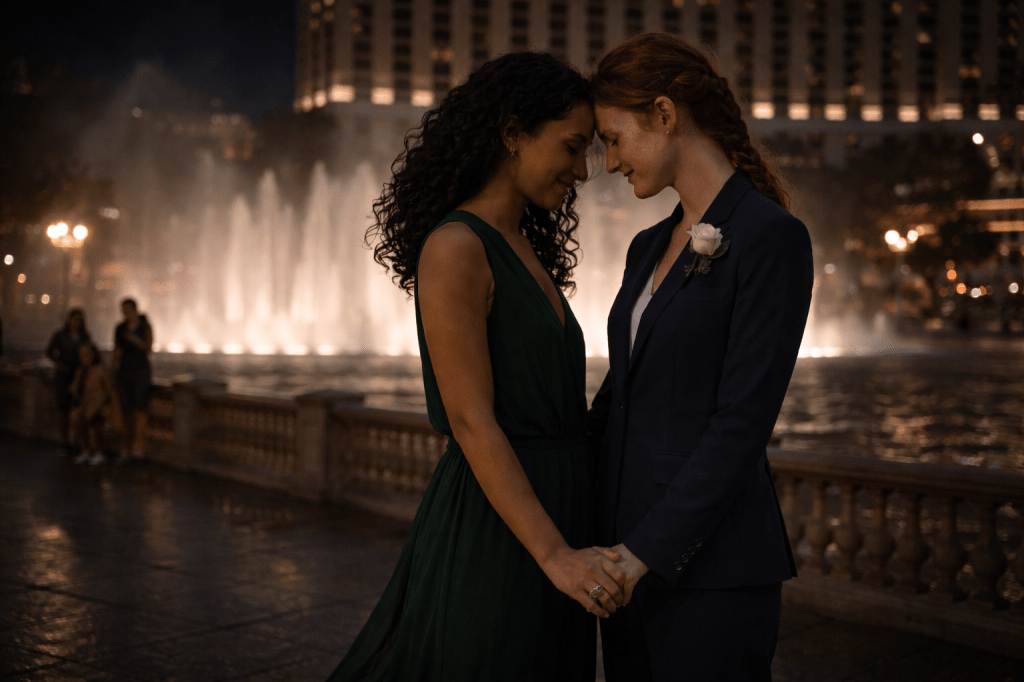
They Chose Each Other
—
Watching two women choose each other in Las Vegas became less about spectacle and more about courage—about love that doesn’t wait for permission, and the quiet strength it takes to be seen, together.
-

Letting the Nuʻuanu Pali Wind Continue
—
The force didn’t lessen, but it stopped feeling personal. The wind wasn’t acting on me. It was simply continuing.
-

“Free the Nipple?” A Film, a Question, a Double Standard
—
When something as ordinary as a nipple becomes a battleground, the stakes are larger than skin. This post revisits the New York Times Op-Doc “Free the Nipple?” and asks what it reveals about law, culture, design, and who decides women’s bodies can — or cannot — be seen.
 Scott Bryant