
Museums & Collections
-

Facing the Manor
A woman dressed in white sits beneath a canopy of trees facing a historic manor. What first appeared to be a peaceful landscape photograph gradually revealed itself as something else: an act of remembrance, witness, and reclamation.
-

Looking Back
Two Black women sit together. We don’t know their names. Yet months after leaving the gallery, I found myself still thinking about their presence in Emma Amos’s ‘To Sit (With Pochoir)’ and what it means to truly see another person.
-
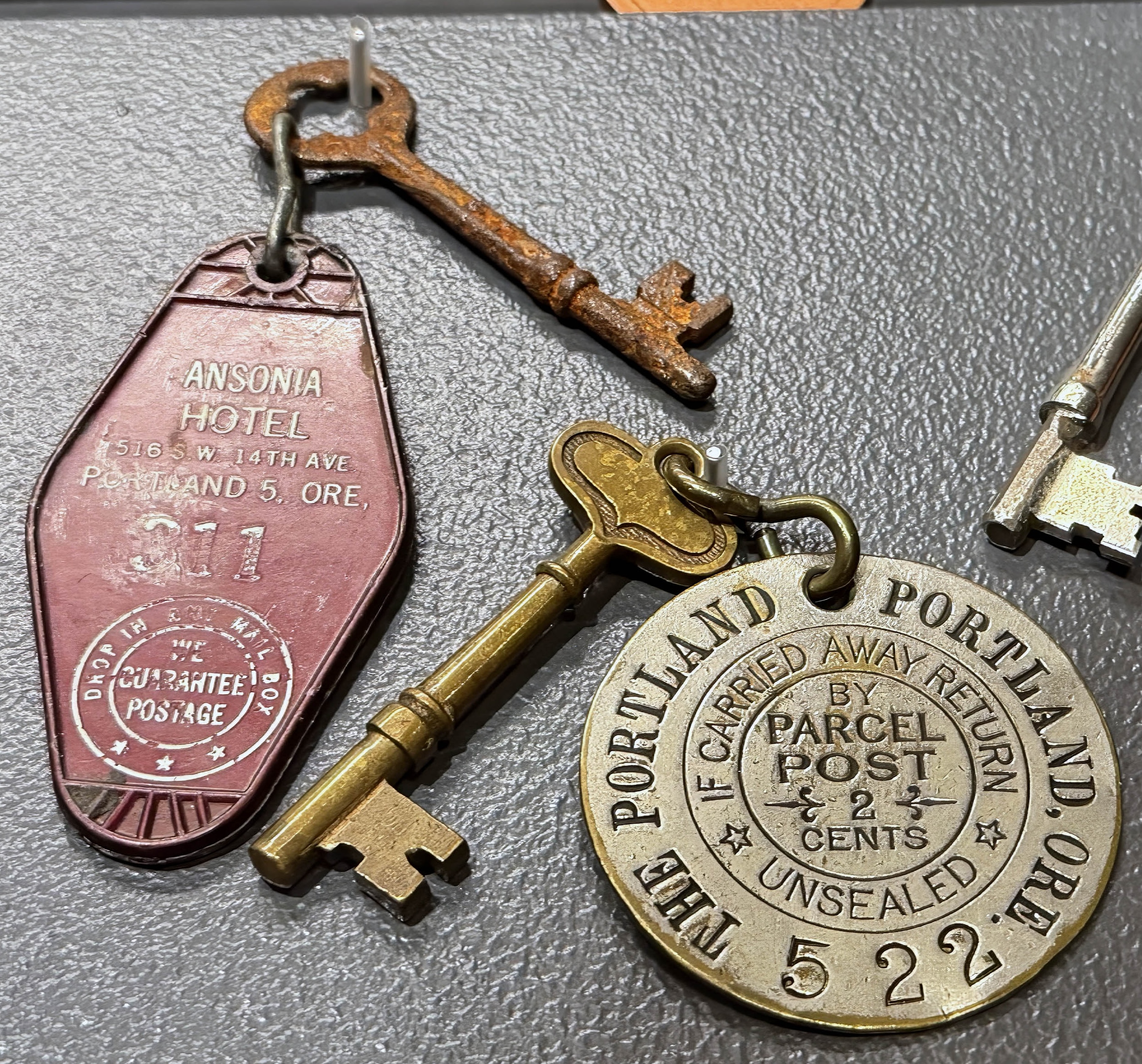
The Keys That Remained
Three hotel keys sit behind glass, all that remains of hotels that once welcomed thousands of travelers. The rooms are gone. The guests are gone. Yet these ordinary objects continue to point toward a Portland that no longer exists.
-

The Future They Could Not See
A convention badge, an unused 1942 calendar, and a community hall key tell the story of a future interrupted. These ordinary objects reveal how quickly suspicion, policy, and war transformed the lives of Japanese Americans in Oregon.
-

Why Not in Oregon?
A century-old suffrage handbill asks a simple question: “Why Not in Oregon?” Preserved behind glass, it captures a moment when women’s voting rights were not yet guaranteed and the future was still being argued for.
-

Printed in Plain Sight
An ordinary railroad ticket displayed behind glass became one of the most revealing artifacts in the Experience Oregon exhibit. A small piece of paper, once meant to be used and discarded, now offers an unsettling glimpse into the contradictions embedded within Oregon’s past.
-

The Costume That Outlived the Theatre
A bright green costume covered in sequins and oversized dimes stands behind glass. The theater that created it is gone, but the costume remains—a reminder that museums preserve not only history’s grand events, but also evidence that people once gathered to create something together.
-

More Than Wartime Work
A Red Cross bag, an aviator’s cap, a welder’s mask, and a flight suit tell a story larger than war itself. Together, these artifacts reveal how generations of women moved from service and support into new forms of work, opportunity, and independence.
-

Under Glass, Not Settled
A film reel, a TV guide, and a series of still images sit under glass—fragments of a 1980s public access program that brought Black Portlanders into view. Carefully arranged, the past remains visible, but never fully settled.
-

What Anchors the Room
Inside the museum’s darkened gallery, nothing instructs where to stand or how long to stay. Images shift and dissolve, but the room holds through what remains—books, presence, and the quiet act of returning to them.
-

A Gesture That Remains
A ribbon is lifted toward a grave. The dead are absent; what remains is the act of return. Recovered from fragments, the vessel preserves not a life, but the gesture that continues.
-
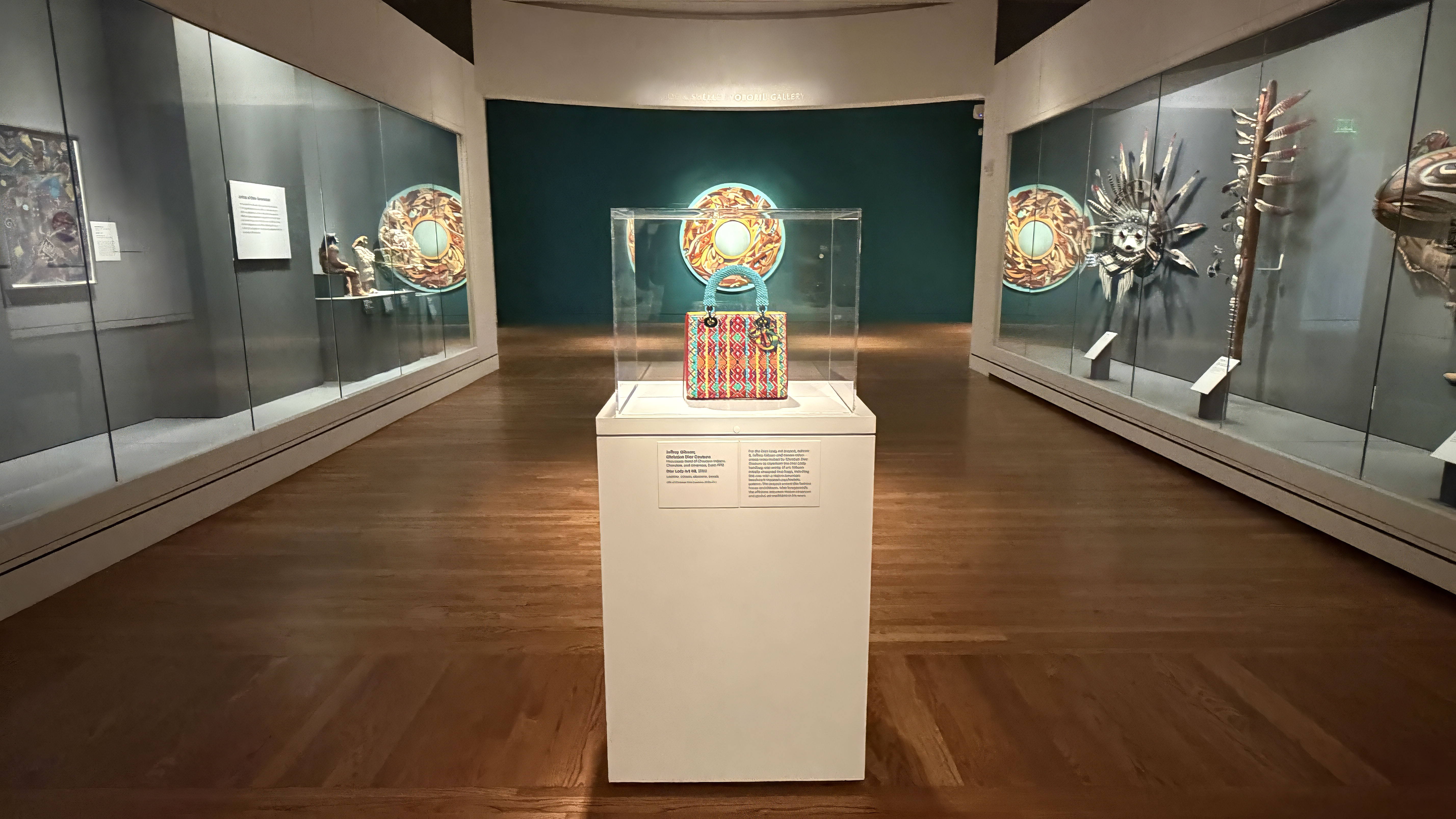
A Bag in the Gallery
I didn’t expect to see a Dior handbag in the Native American Art wing. Reworked in beadwork-inspired pattern, it shifts from fashion to something else—still out of place, but held there by the tension it creates.
-
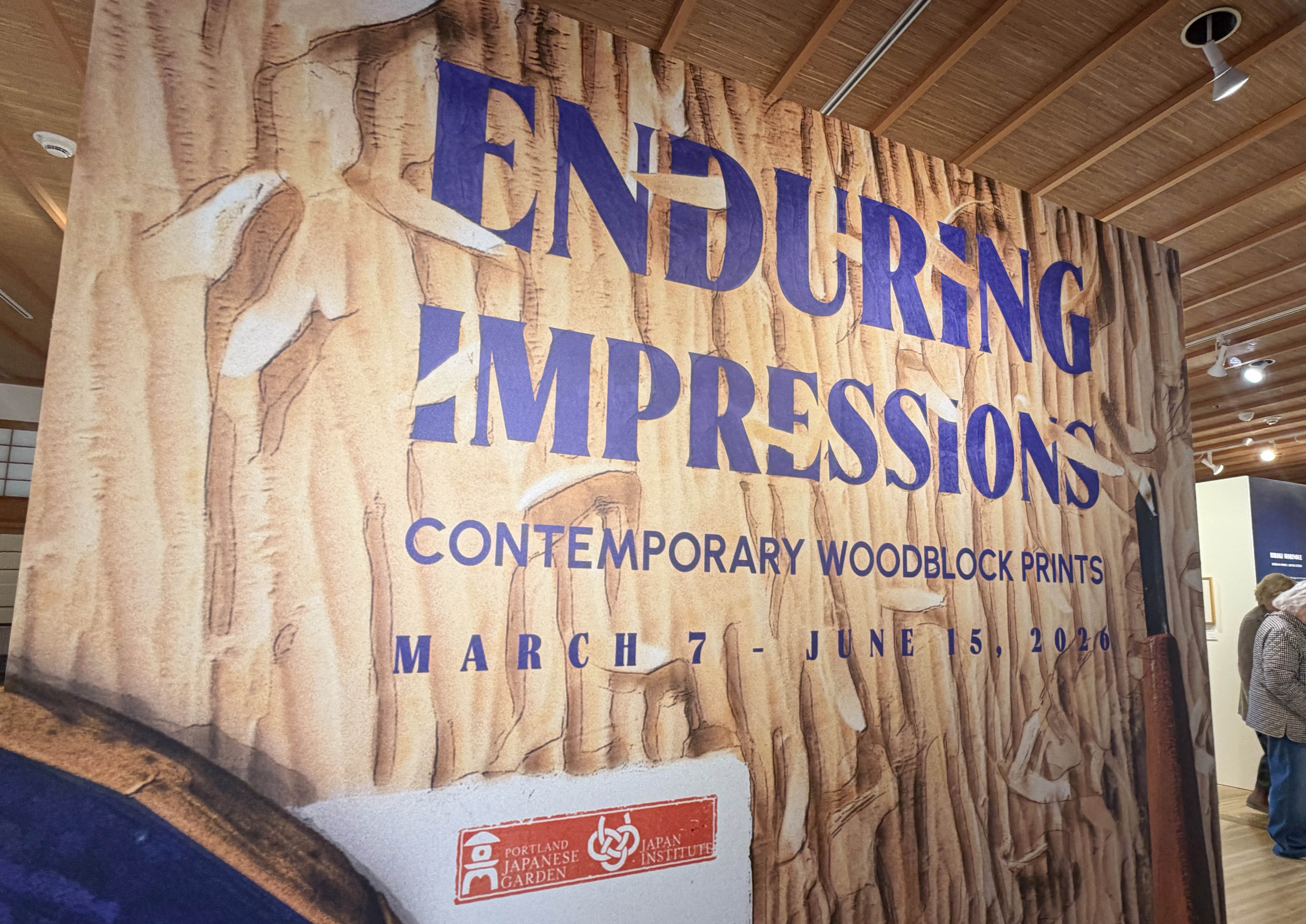
Enduring Impressions — Mokuhanga
Inside the Pavilion Gallery at the Portland Japanese Garden, Enduring Impressions presents mokuhanga as both tradition and contemporary practice, where process, repetition, and place shape the work as much as the final image.
-
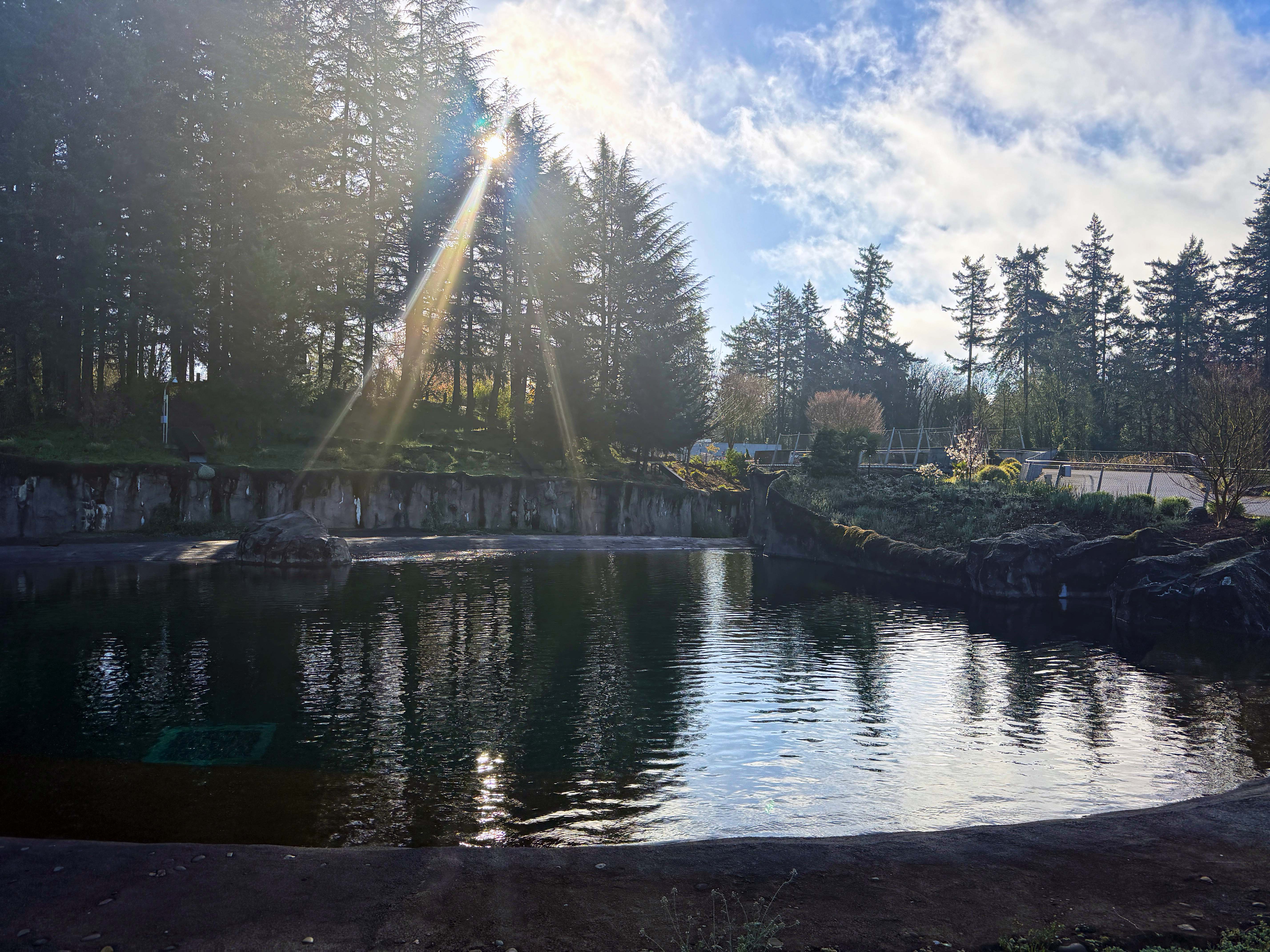
Elephant Lands — Observation, Identity, and Interpretation
At the Oregon Zoo’s Elephant Lands, the experience moves from distant observation to individual recognition and finally to interpretation within a museum setting. The environment, exhibits, and objects together shift the elephant from animal to subject shaped by culture, history, and human systems.
-
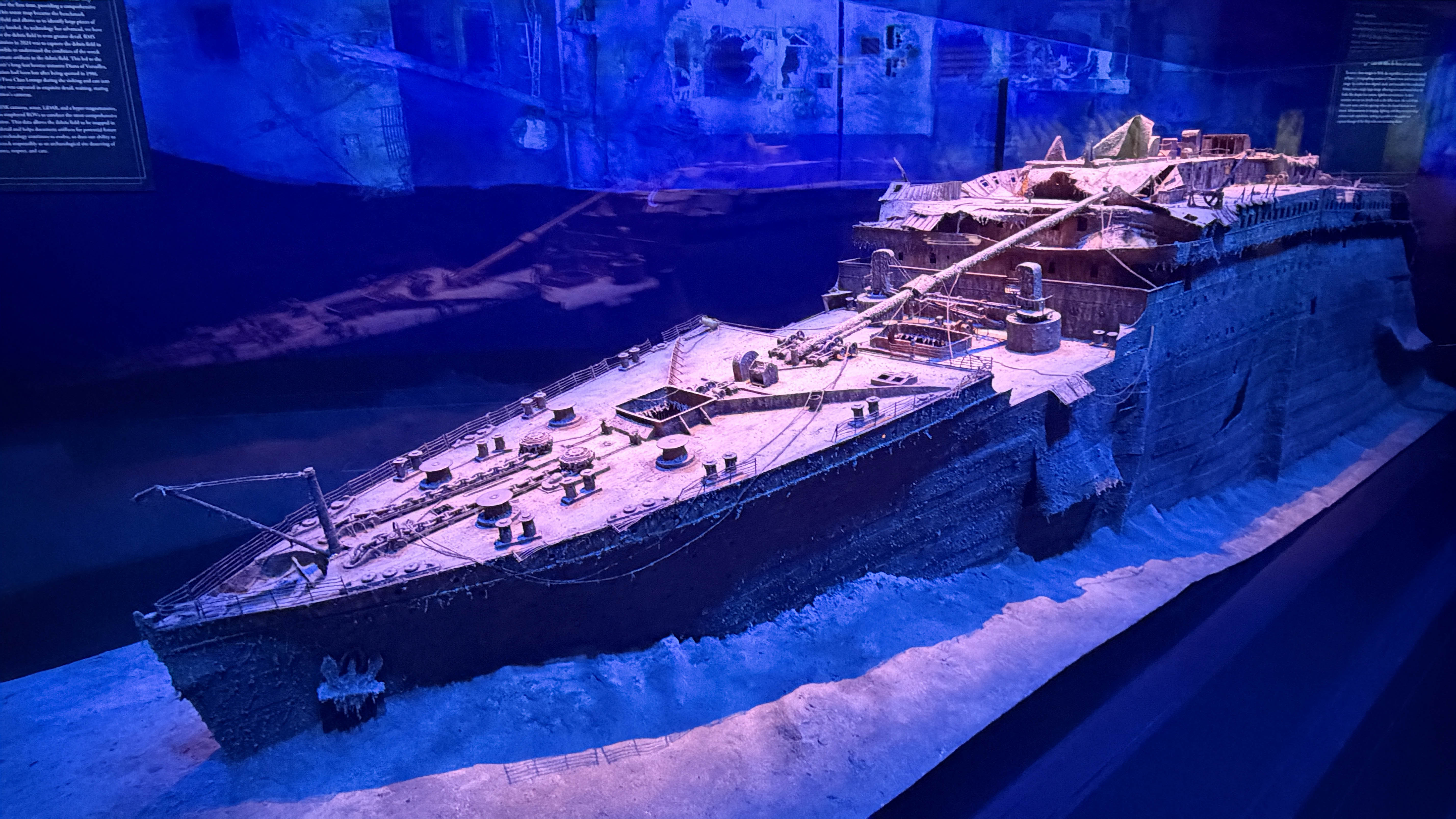
Reading the Wreck
The wreck of Titanic remains visible as structure rather than event. The bow retains its form; the stern does not. What is seen is not the moment of impact, but its continuation—pressure, depth, and time acting together as a sustained condition.
-
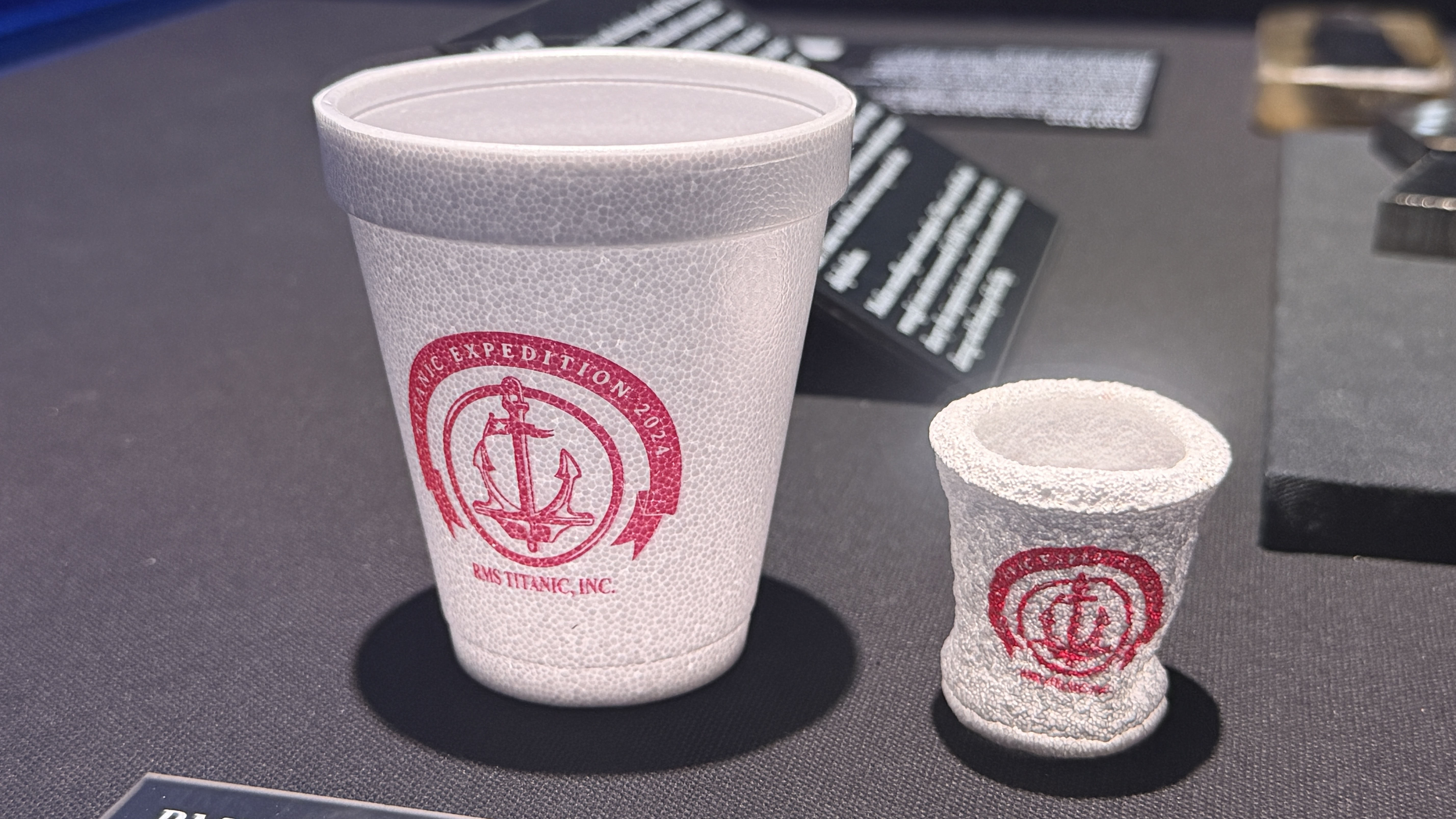
Compressed at Depth
A disposable cup, altered by extreme pressure, becomes a precise record of the environment surrounding the Titanic wreck. Compressed without distortion, it reveals the force of depth through absence. What appears to be damage is instead transformation—an object reshaped not by time, but by the sustained weight of the ocean.
-
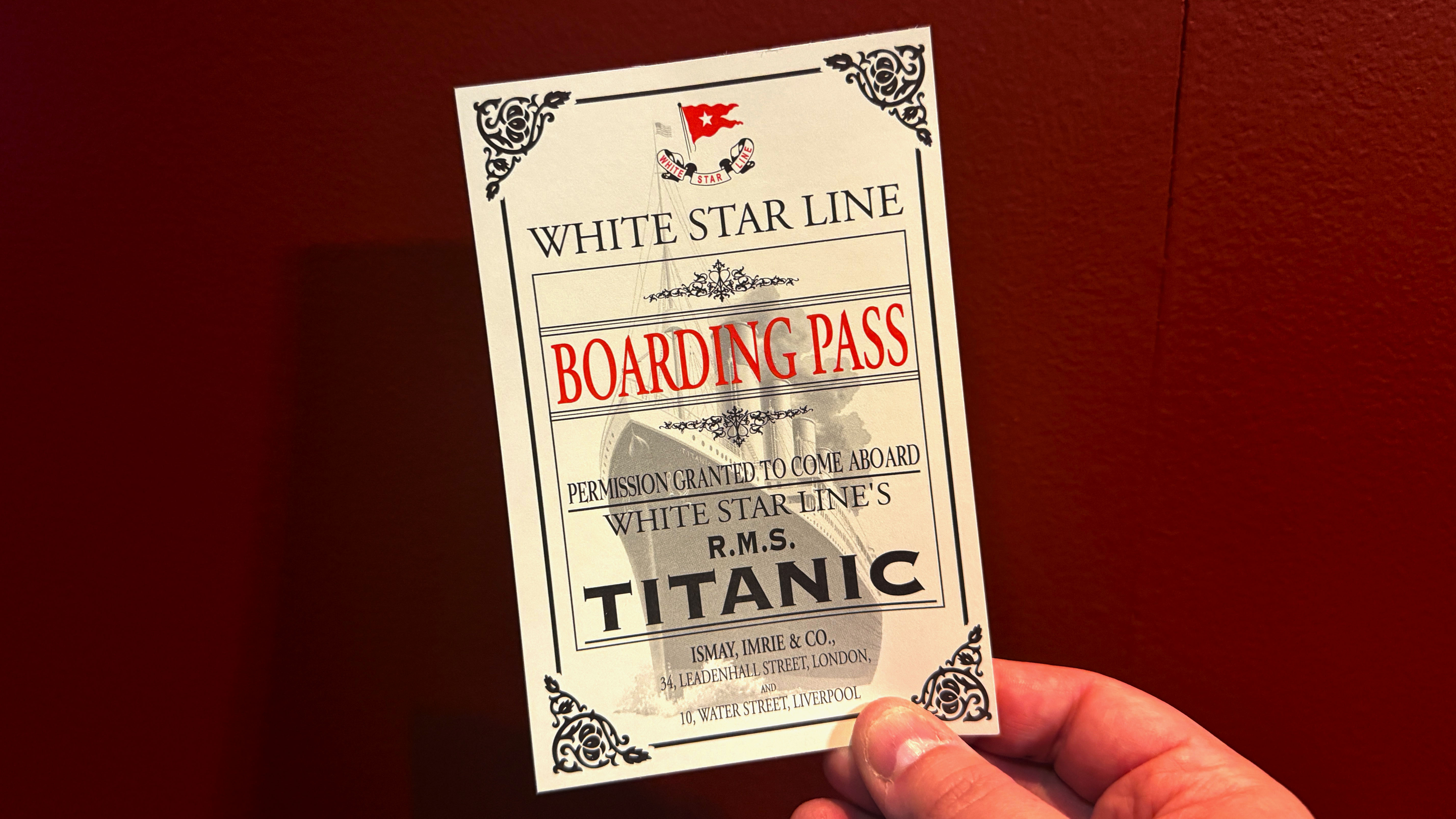
Her Boarding Pass — Identity and Assignment in the Titanic Exhibition
At the Titanic Artifact Exhibition, visitors are assigned the identity of a passenger through a boarding pass that structures the experience from entry to exit. Through reconstructed spaces, physical interaction, and recovered objects, the exhibition organizes the voyage into a sequence of identity, environment, and outcome.
-
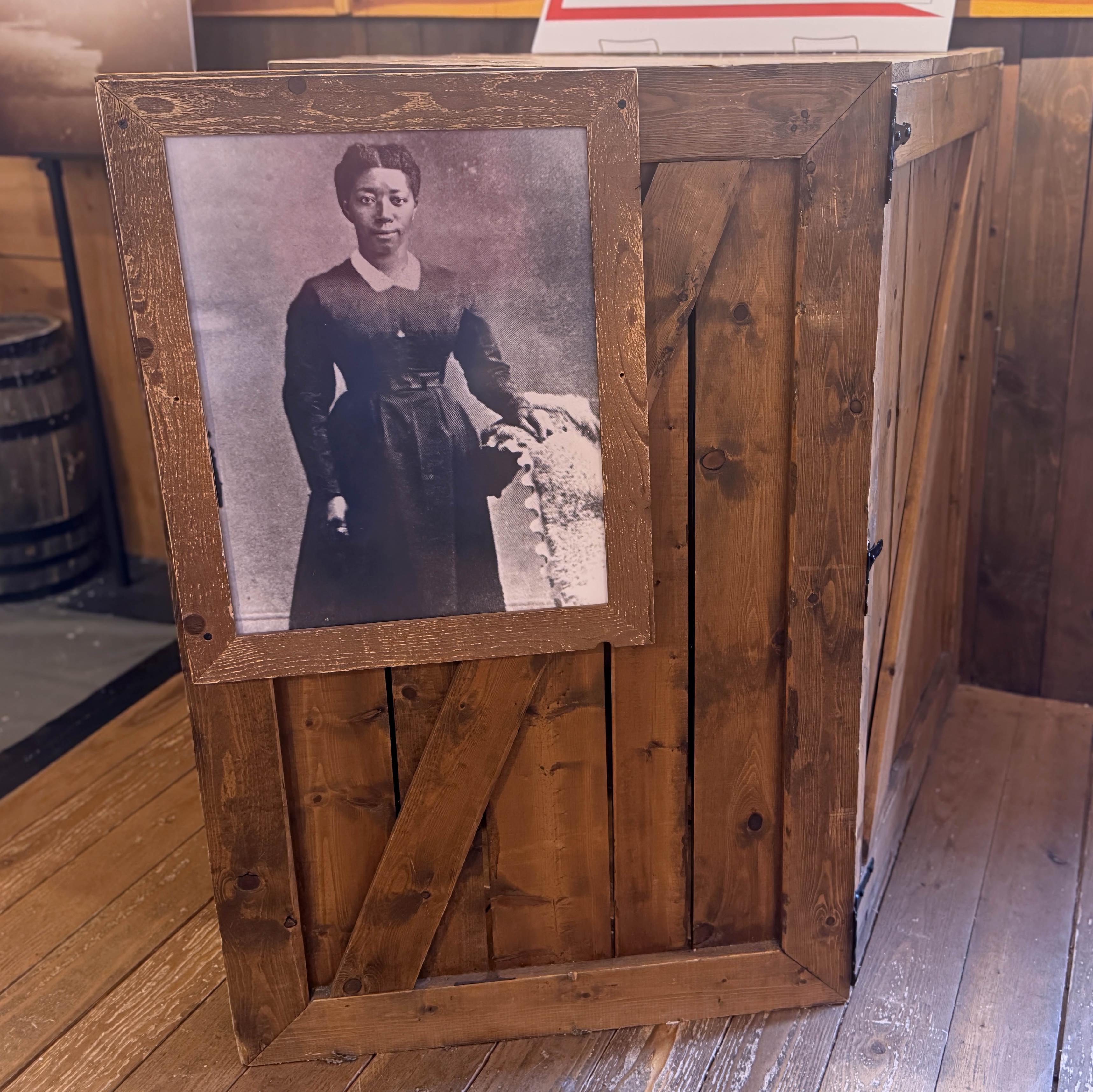
The Crate on the Oregon Trail
A reconstructed wooden crate at the End of the Oregon Trail Interpretive Center reframes westward migration through confinement rather than movement, revealing the conditions endured by Rose Jackson during her journey west in 1849.
-
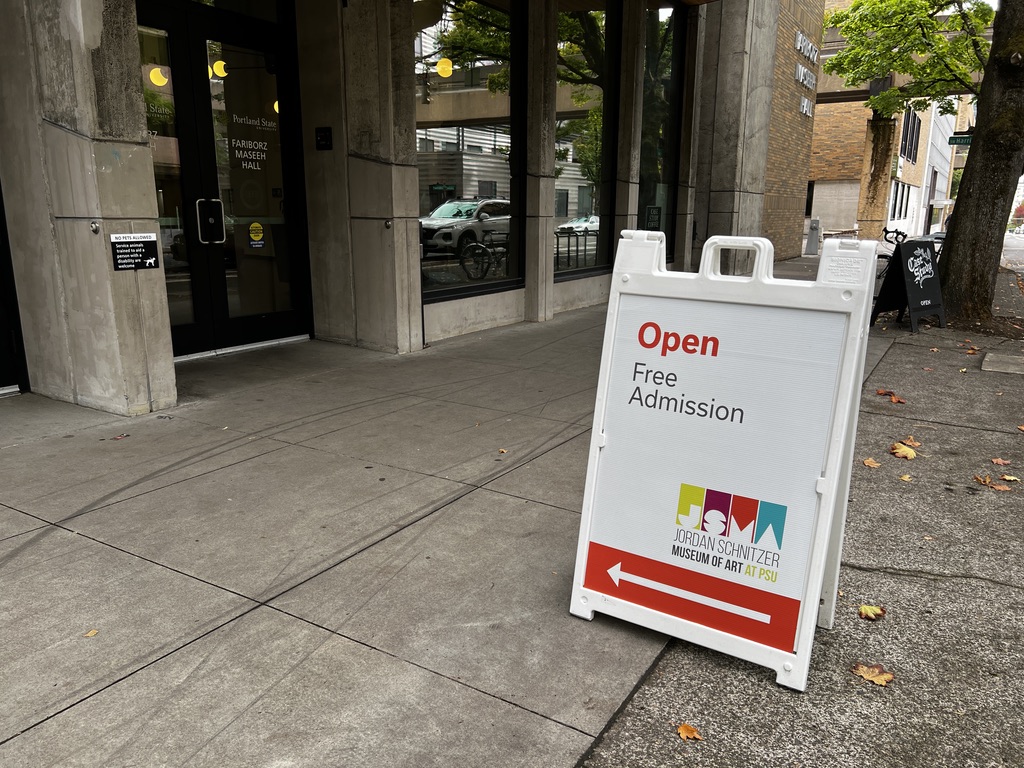
A Gaze That Does Not Blink — Wendy Red Star at Portland State
Returning to Portland State University as an alumnus, I encountered Wendy Red Star’s Apsáalooke Feminist #2—a work that reframes Indigenous womanhood through authorship, domestic space, and an unflinching gaze. Installed within civic space, it asserts presence not as spectacle, but as structure.
-

Alison Saar’s Grow’d (2019): A Figure No Longer Written
At the Portland Art Museum, Alison Saar’s Grow’d (2019) reconsiders Topsy from Uncle Tom’s Cabin, shifting a figure once defined by others into one of presence and self-possession. Bronze and cotton situate the work within history while quietly revising it.
You must be logged in to post a comment.