
Cultural Notes
Cultural Notes collects my personal observations on culture, art, performance, and the everyday moments that reveal how meaning is made. These pieces are not reviews or summaries, but considered reflections — written from attention, experience, and lived response.
-
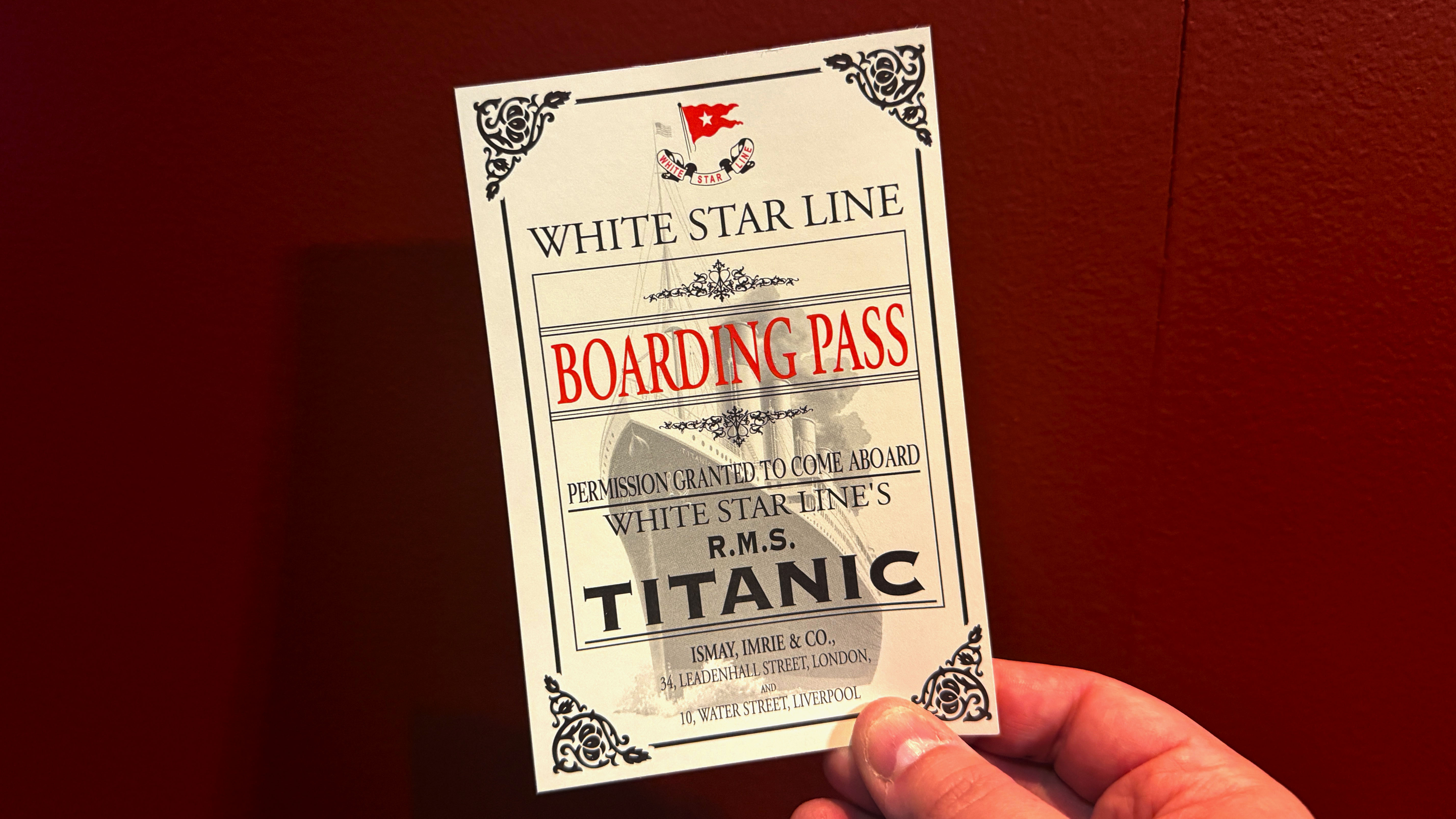
Her Boarding Pass — Identity and Assignment in the Titanic Exhibition
At the Titanic Artifact Exhibition, visitors are assigned the identity of a passenger through a boarding pass that structures the experience from entry to exit. Through reconstructed spaces, physical interaction, and recovered objects, the exhibition organizes the voyage into a sequence of identity, environment, and outcome.
-

The Midway Still Turns
In 2016, I rode a 100-year-old carousel at Oaks Park. It was free. I remember thinking only: “This is cool.” Ten years later, the photos feel steady. The horses still rise and fall. Some institutions endure without spectacle — simply by continuing to turn.
-

Before the Oregon Trail Ended Here
At the End of the Oregon Trail Interpretive Center, a plankhouse exhibit offers another perspective on Oregon City—one rooted in Chinook communities, permanent homes, and cultural traditions that existed long before overland migrants arrived.
-
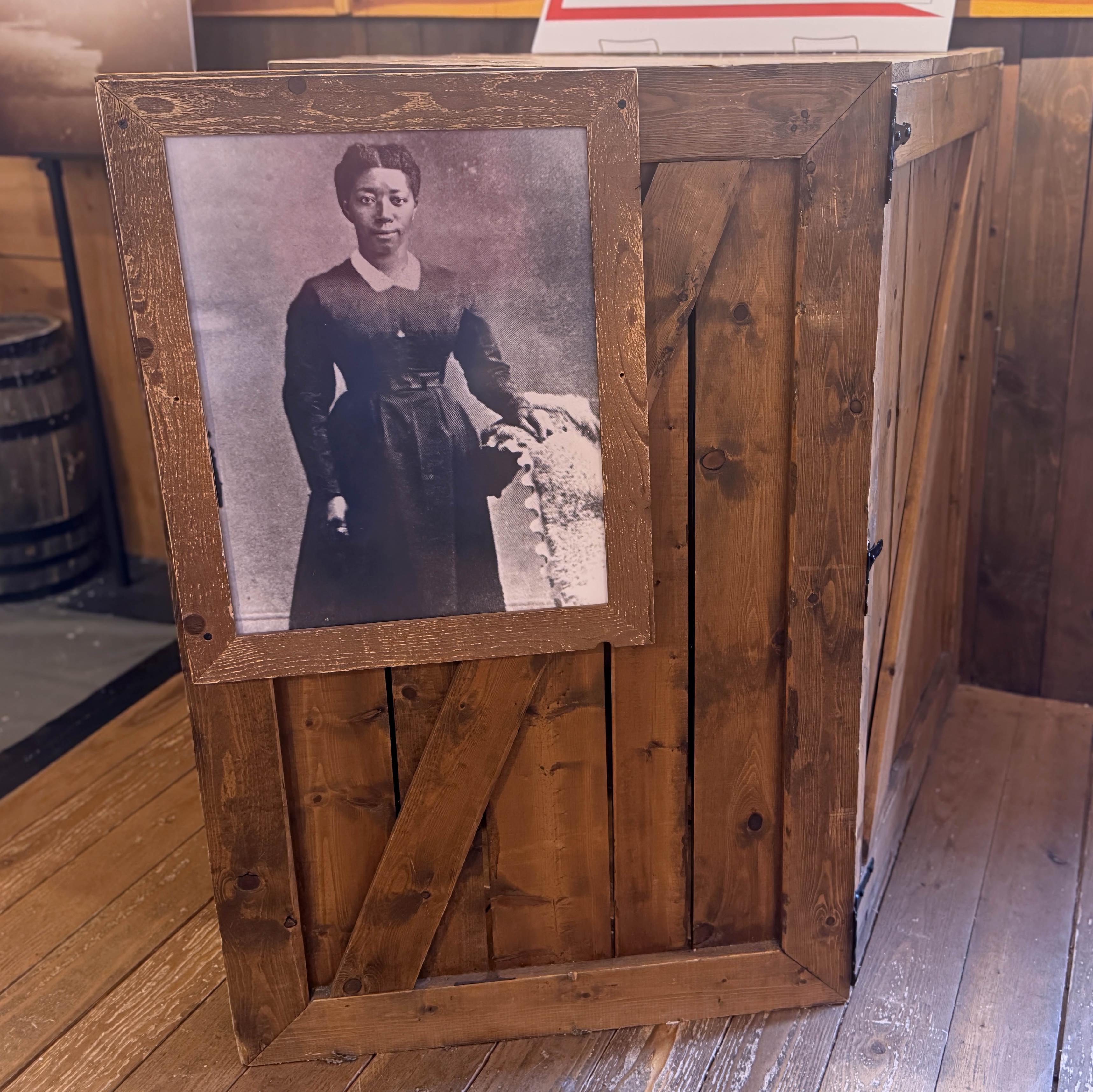
Rose Jackson and the Crate on the Oregon Trail
A reconstructed wooden crate at the End of the Oregon Trail Interpretive Center reframes westward migration through confinement rather than movement, revealing the conditions endured by Rose Jackson during her journey west in 1849.
-

Elizabeth Sawyer: The Real Woman Behind ‘Witch’
—
A matinee performance of “Witch” at Clackamas Community College led back to the real story of Elizabeth Sawyer, executed for witchcraft in England in 1621. More than four centuries later, her story continues to echo through theatre, raising questions about fear, reputation, and how societies treat those living at the margins.
-
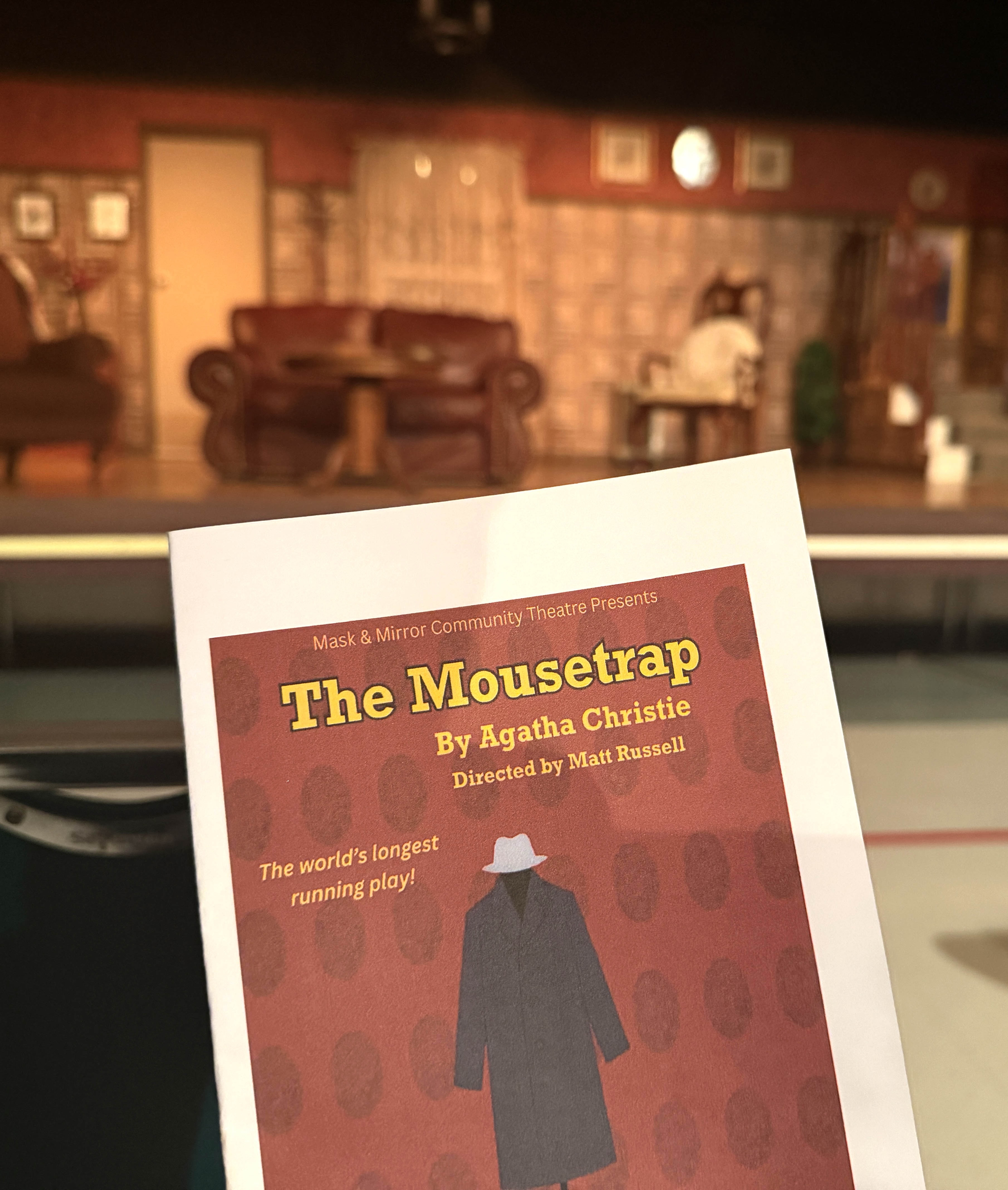
‘The Mousetrap’: A Trap Built in Plain Sight
—
On a 2:30 p.m. matinee in Tigard, I moved confidently through Agatha Christie’s snowbound maze, convinced I was closing in on the answer. I wasn’t wrong about the clues—only about which ones I chose to trust.
-

‘The Sleeping Beauty’ — A Matinee at Oregon Ballet Theatre
At Oregon Ballet Theatre’s The Sleeping Beauty, familiarity shaped the experience as much as performance. Anchored by the Rose Adagio, the Act I waltz, and a live orchestra closely matching a long-known recording, the matinee resolved into a complete and self-contained viewing.
-

Scene 5, Performed
—
Performed without announcement, Scene 5 of ‘Almost, Maine’ shifted into a study of intimacy, panic, and the risk of naming what already makes sense between two women.
-

‘Chess of the Wind’ — A Film Lost and Found
—
Long believed lost, Chess of the Wind returns as a restored artifact of pre-revolution Iranian cinema. Set within a decaying household shaped by inheritance and control, the film unfolds as a quiet study of power, atmosphere, and a world captured just before its disappearance.
-
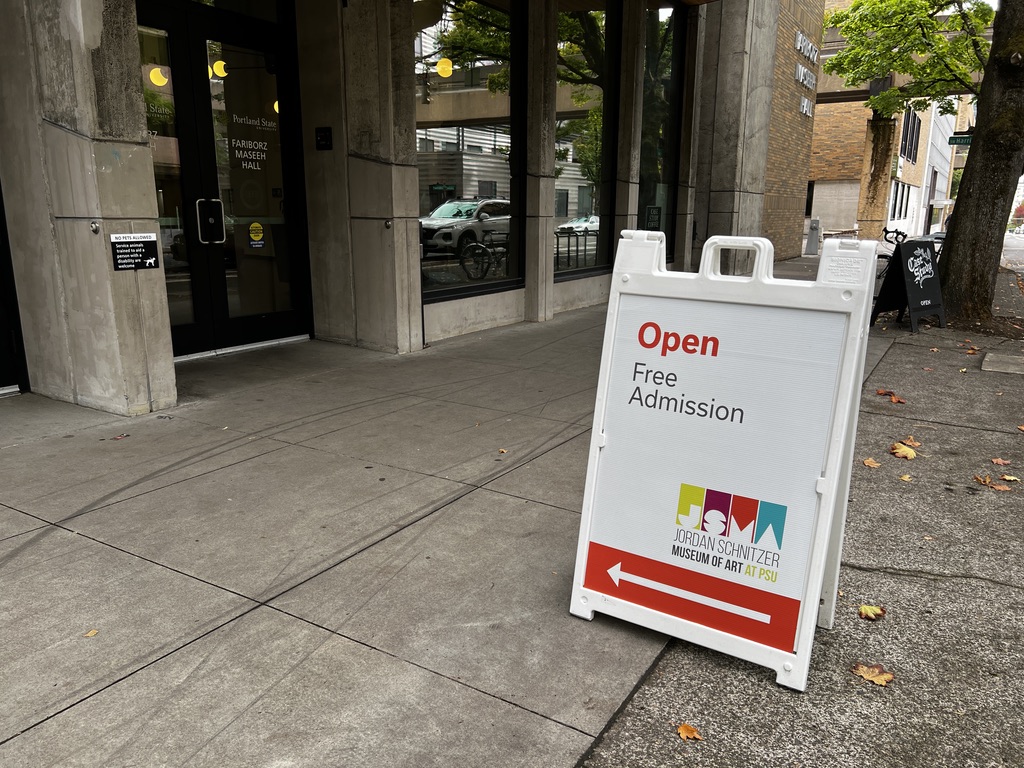
A Gaze That Does Not Blink — Wendy Red Star at Portland State
Returning to Portland State University as an alumnus, I encountered Wendy Red Star’s Apsáalooke Feminist #2—a work that reframes Indigenous womanhood through authorship, domestic space, and an unflinching gaze. Installed within civic space, it asserts presence not as spectacle, but as structure.
-
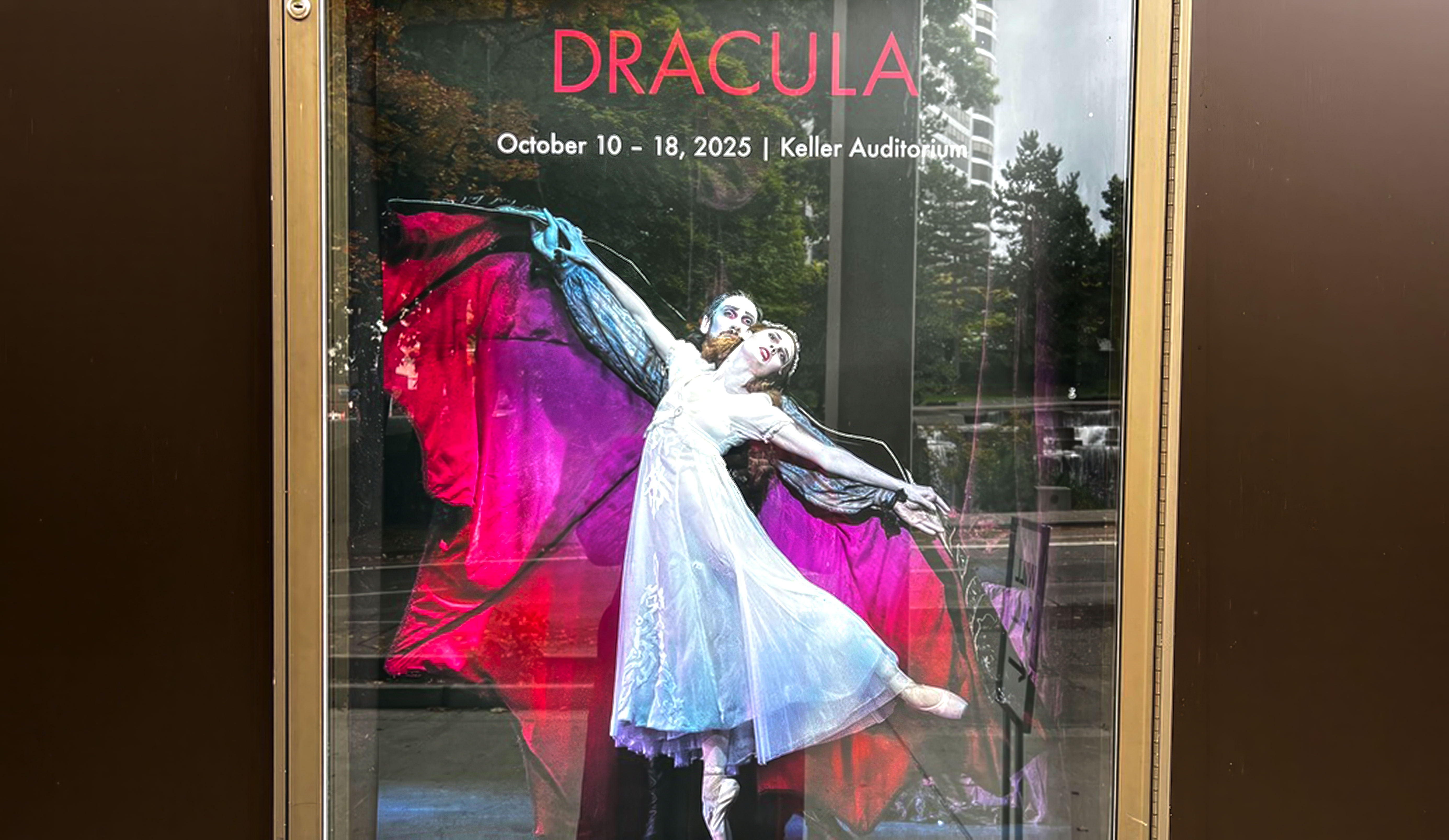
‘Dracula’ — The Architecture of Performance
Oregon Ballet Theatre’s Dracula is constructed through coordinated systems of choreography, staging, and technical design. Pre-performance observation reveals the underlying architecture of movement, where company class, costume logistics, and mechanical effects shape the performance across its three acts.
-

Alison Saar’s Grow’d (2019): A Figure No Longer Written
At the Portland Art Museum, Alison Saar’s Grow’d (2019) reconsiders Topsy from Uncle Tom’s Cabin, shifting a figure once defined by others into one of presence and self-possession. Bronze and cotton situate the work within history while quietly revising it.
-

The Pearl and the Princess: Standing Before ‘Infanta María Ana de Austria’ (1630)
Standing before Felipe Diriksen’s 1630 portrait of Infanta María Ana de Austria at the Portland Art Museum, the image shifts from imperial display to something quieter—an encounter with presence, endurance, and the structures that shaped both.
-
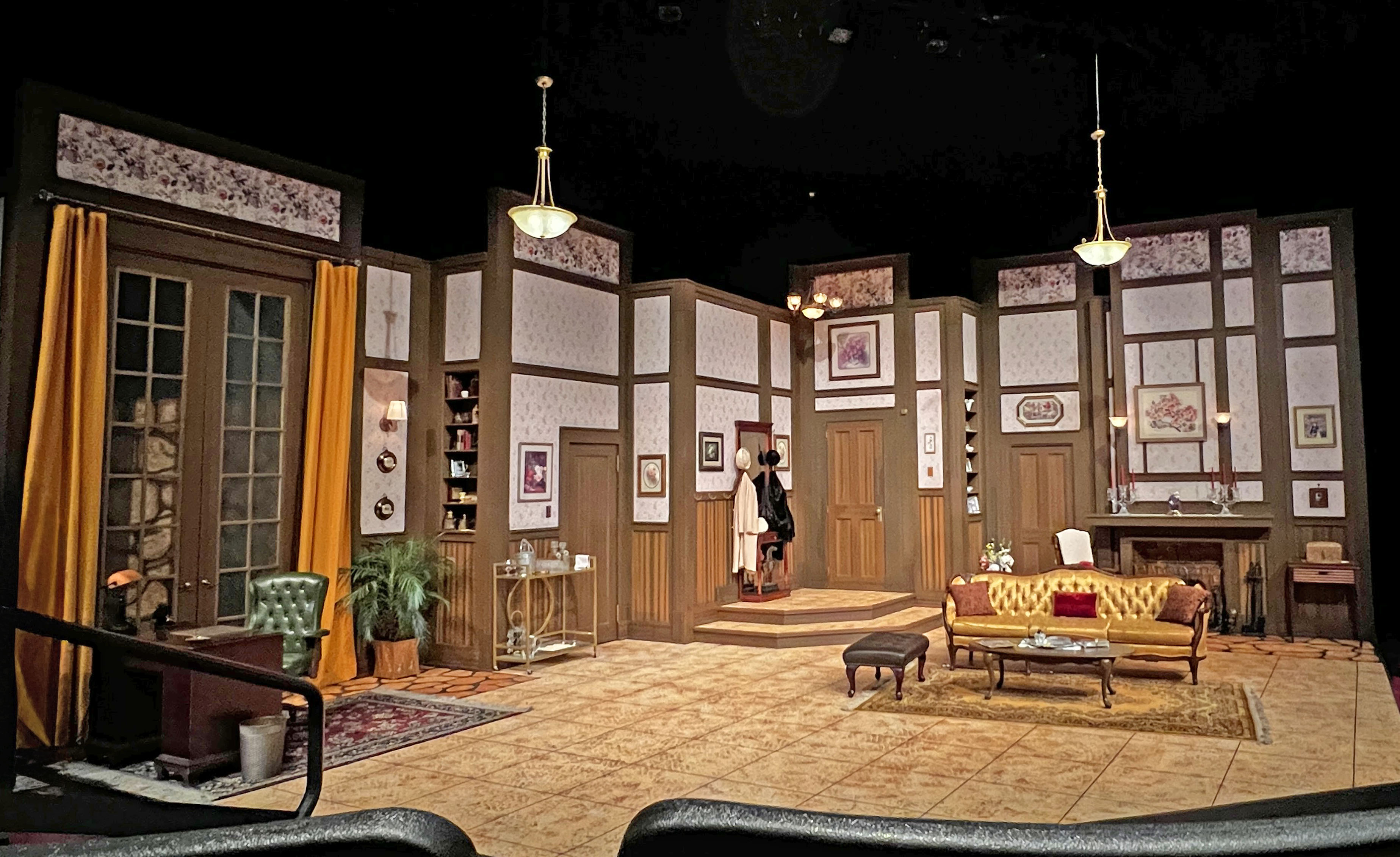
‘Dial M for Murder’: Soft Drapes, Sharp Edges
—
In Clackamas Repertory Theatre’s Dial M for Murder, a carefully designed London flat held more than a clever murder plot. Beneath its soft drapes and shadowed doorways, Margot and Maxine’s relationship became the emotional truth of the story.
-

Walking Lightly Between Worlds: ‘Sasquatch Ancestral Guardians’
At the World Forestry Center, Sasquatch: Ancestral Guardians reframes a familiar figure through Indigenous perspectives that emphasize relationship, presence, and place. Moving beyond pop culture imagery, the exhibition shifts attention from proof to how stories shape connection to land and community.
-

Written in Departure: Vita to Virginia, 1926
At Letters Live, a 1926 letter from Vita Sackville-West to Virginia Woolf is read aloud nearly a century after it was written. The performance does not reinterpret the text, but sustains it—allowing private language to move into public memory without losing its original clarity.
-

The Costume Endured
A stage costume worn by Sarah Bernhardt around 1890 survived long after the performance for which it was created. More than a century later, it remains one of the few physical connections to a theatrical moment that otherwise disappeared when the curtain fell.
-

The Mansion Was Already Open
At 8:00 AM, the Haunted Mansion stands without an audience. Escorted inside, the experience shifts—loosened instruction, a cavernous room, and a performance that continues unchanged. Even alone, the house reveals itself in motion, structured and ongoing.
-

Dramatic Impressions: Kabuki in Print
A rediscovered visit to the Portland Art Museum traces how kabuki actor prints transformed performance into image, preserving gesture, identity, and memory. Through Toyohara Kunichika’s work, the exhibition reveals how theater endures—not on stage, but in paper, ink, and time.
-

Nothing Is Hidden
On Main Street, the Haunted Mansion is presented outside of itself. Elements are placed in open view—lit, labeled, and separated from the environment that contains them. The system is made visible, yet nothing collapses. What is removed and displayed remains intact.
You must be logged in to post a comment.