
Cultural Notes
Cultural Notes collects my personal observations on culture, art, performance, and the everyday moments that reveal how meaning is made. These pieces are not reviews or summaries, but considered reflections — written from attention, experience, and lived response.
-

Under Glass, Not Settled
A film reel, a TV guide, and a series of still images sit under glass—fragments of a 1980s public access program that brought Black Portlanders into view. Carefully arranged, the past remains visible, but never fully settled.
-

What Anchors the Room
Inside the museum’s darkened gallery, nothing instructs where to stand or how long to stay. Images shift and dissolve, but the room holds through what remains—books, presence, and the quiet act of returning to them.
-

A Gesture That Remains
A ribbon is lifted toward a grave. The dead are absent; what remains is the act of return. Recovered from fragments, the vessel preserves not a life, but the gesture that continues.
-
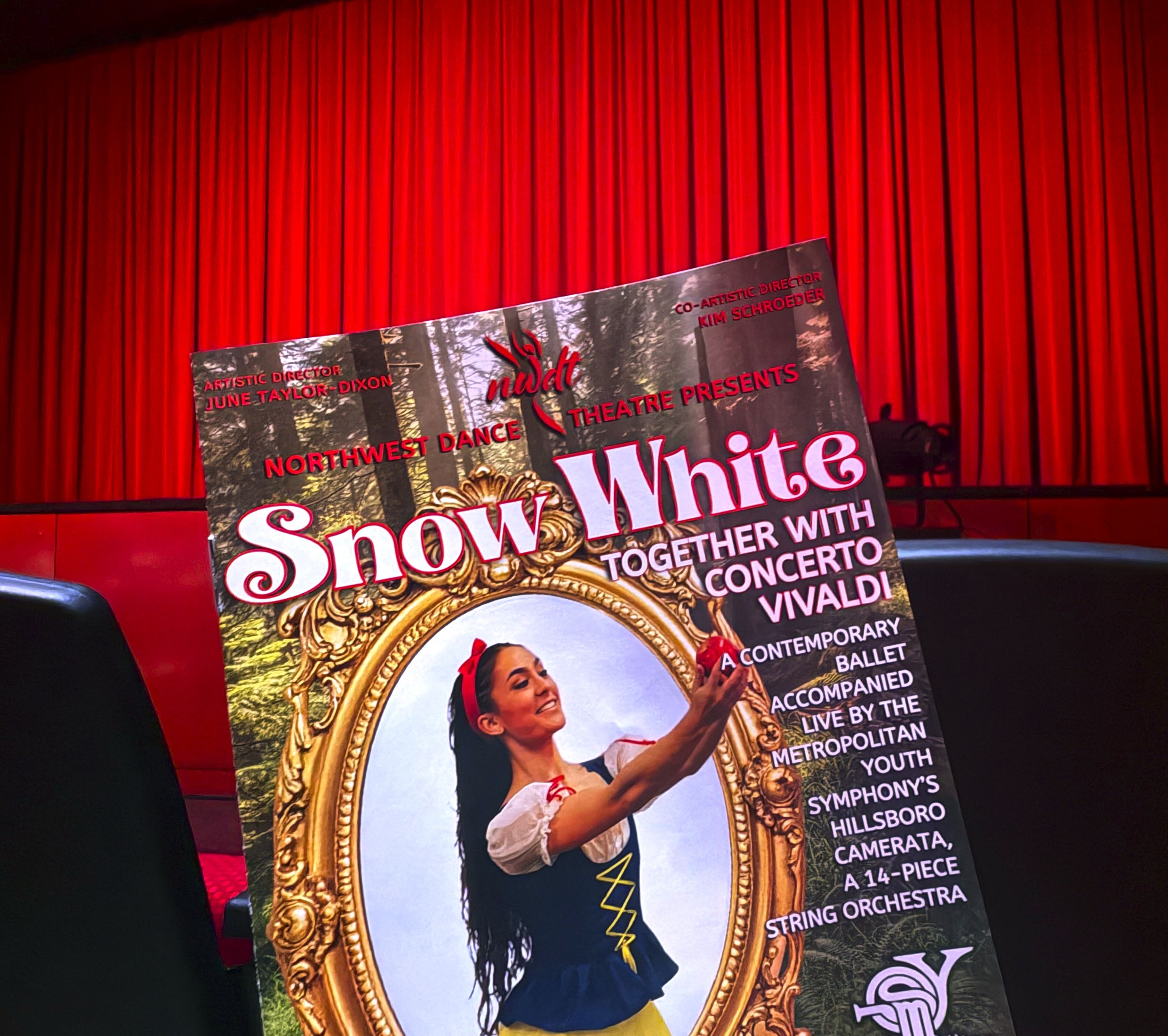
Snow White and the Queen: Power in Motion
Northwest Dance Theatre’s Snow White begins with the Queen already in command. Through classical pantomime, physical transformation, and a final struggle for control, the ballet turns a familiar fairy tale into a story about power—how it is performed, challenged, and finally broken.
-
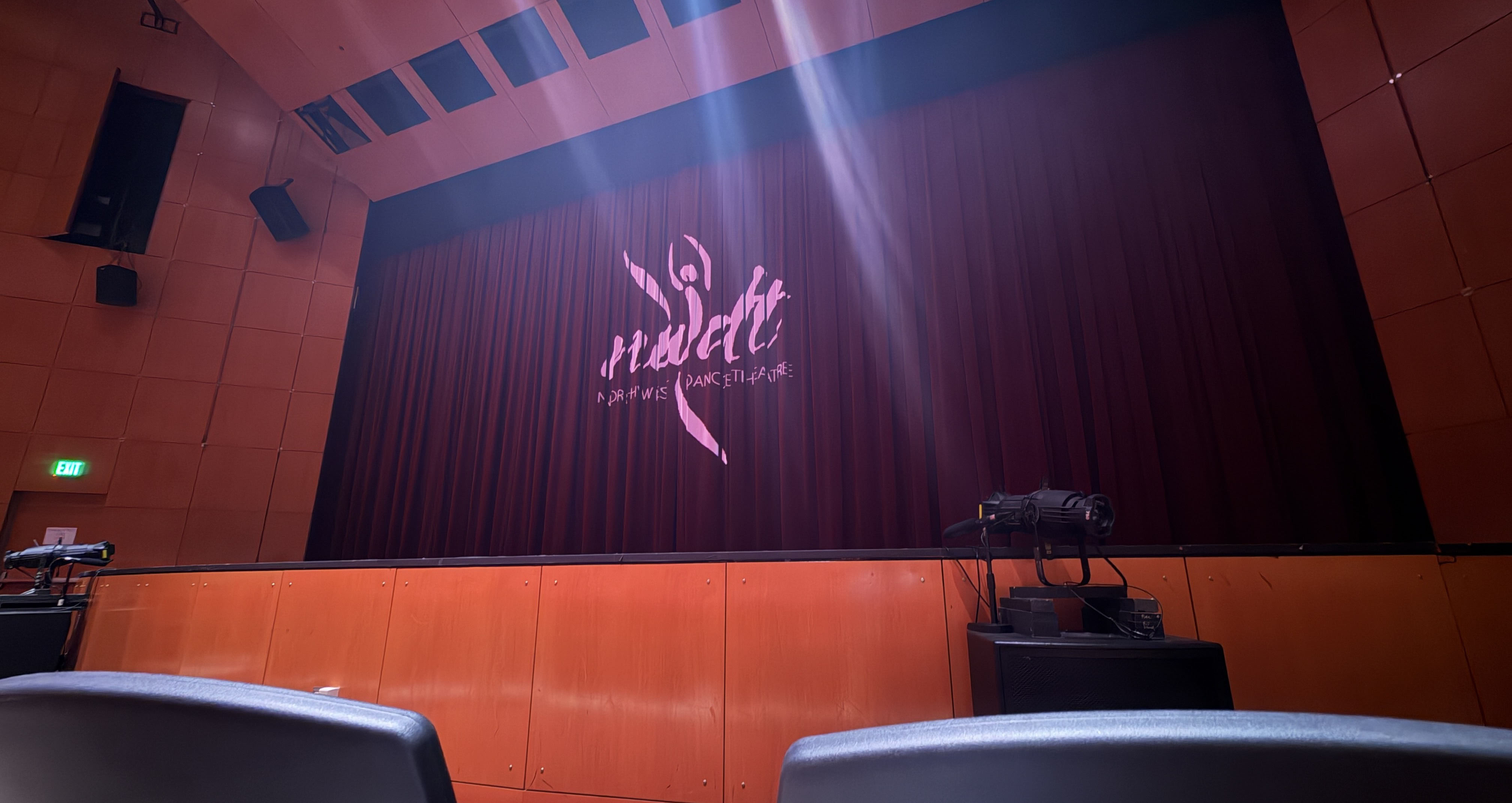
Before the Story: Concerto Vivaldi
Before Snow White began, there was only movement. Set to Vivaldi, this brief contemporary ballet unfolded in soft pinks and quiet precision, shifting between the shared shape of the ensemble and the intimacy of two dancers moving in parallel. What began as abstraction became a quiet invitation to watch more closely.
-

Thirty Bottles and a Late Bootlegger
While browsing a 1919 issue of The Aurora Observer, I found a forgotten little story involving thirty bottles of whiskey, a cache beside the railroad tracks, and one observant woman who accidentally ruined a bootlegger’s day.
-
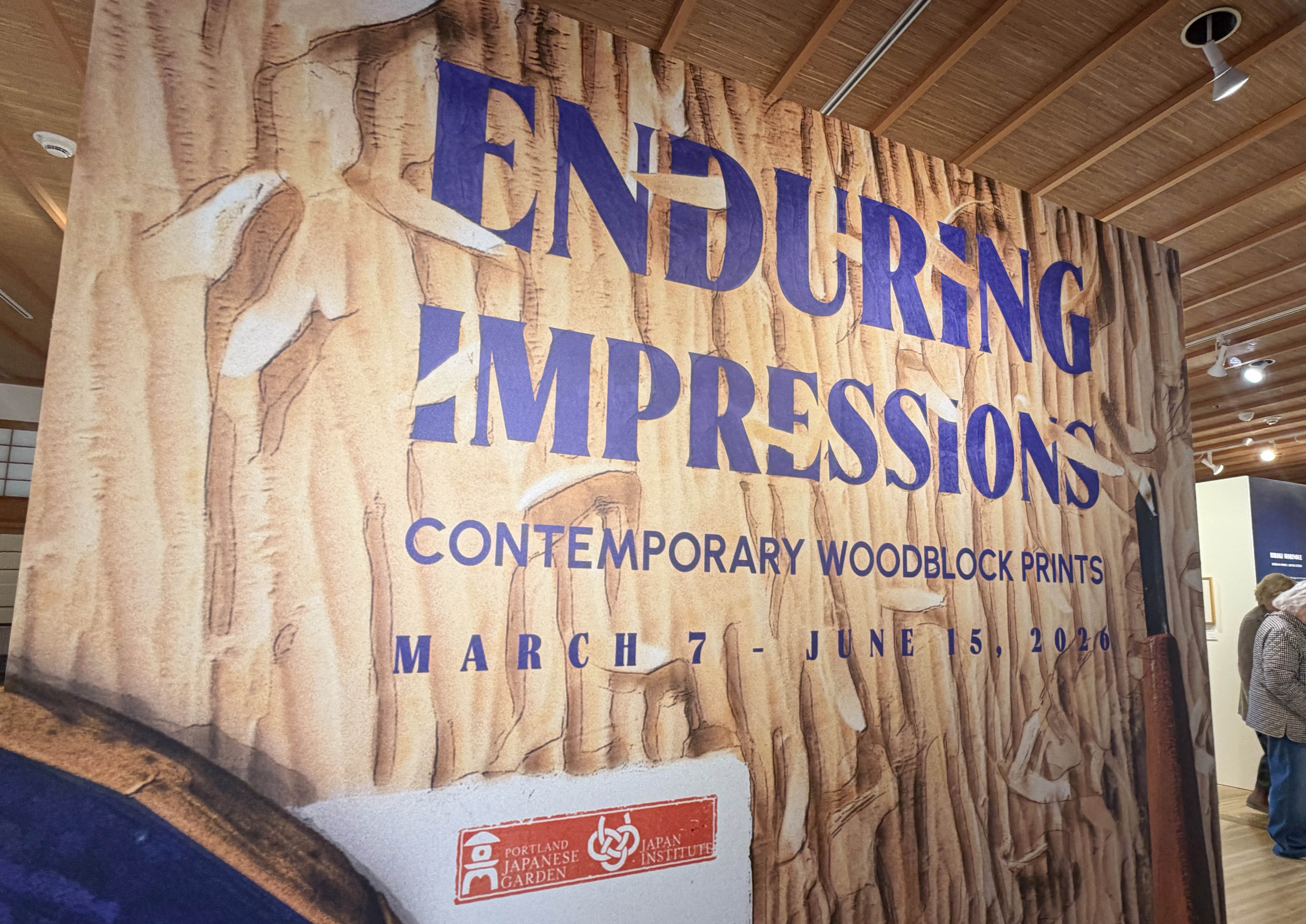
Enduring Impressions — Mokuhanga
Inside the Pavilion Gallery at the Portland Japanese Garden, Enduring Impressions presents mokuhanga as both tradition and contemporary practice, where process, repetition, and place shape the work as much as the final image.
-
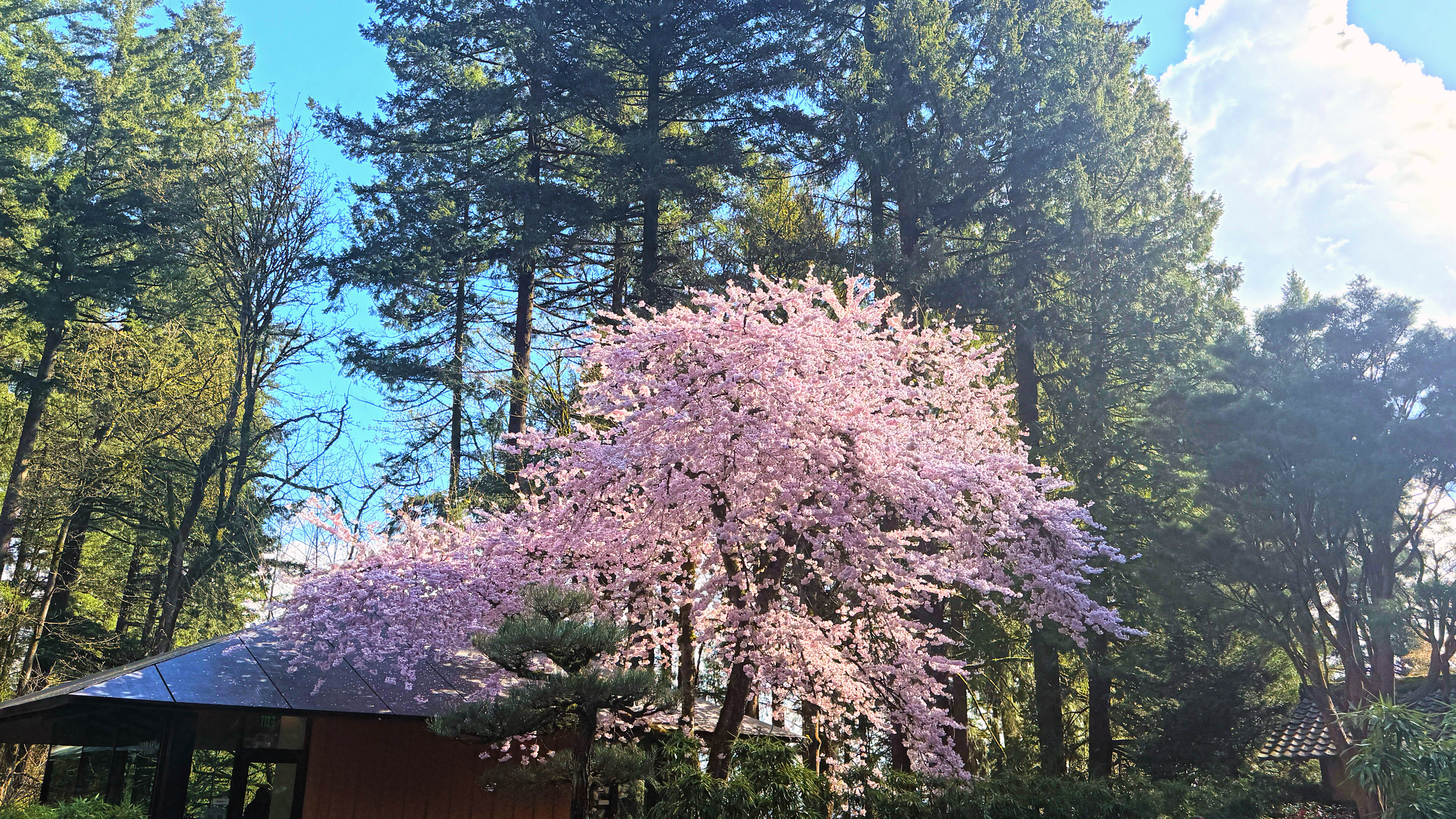
Cherry Blossoms and Castle Walls
A gradual ascent through Washington Park leads into a sequence of spaces within the Portland Japanese Garden—thresholds, structures, water, and open ground. Moving through them reveals the garden not as a single view, but as a series of environments shaped by contrast, placement, and perspective.
-
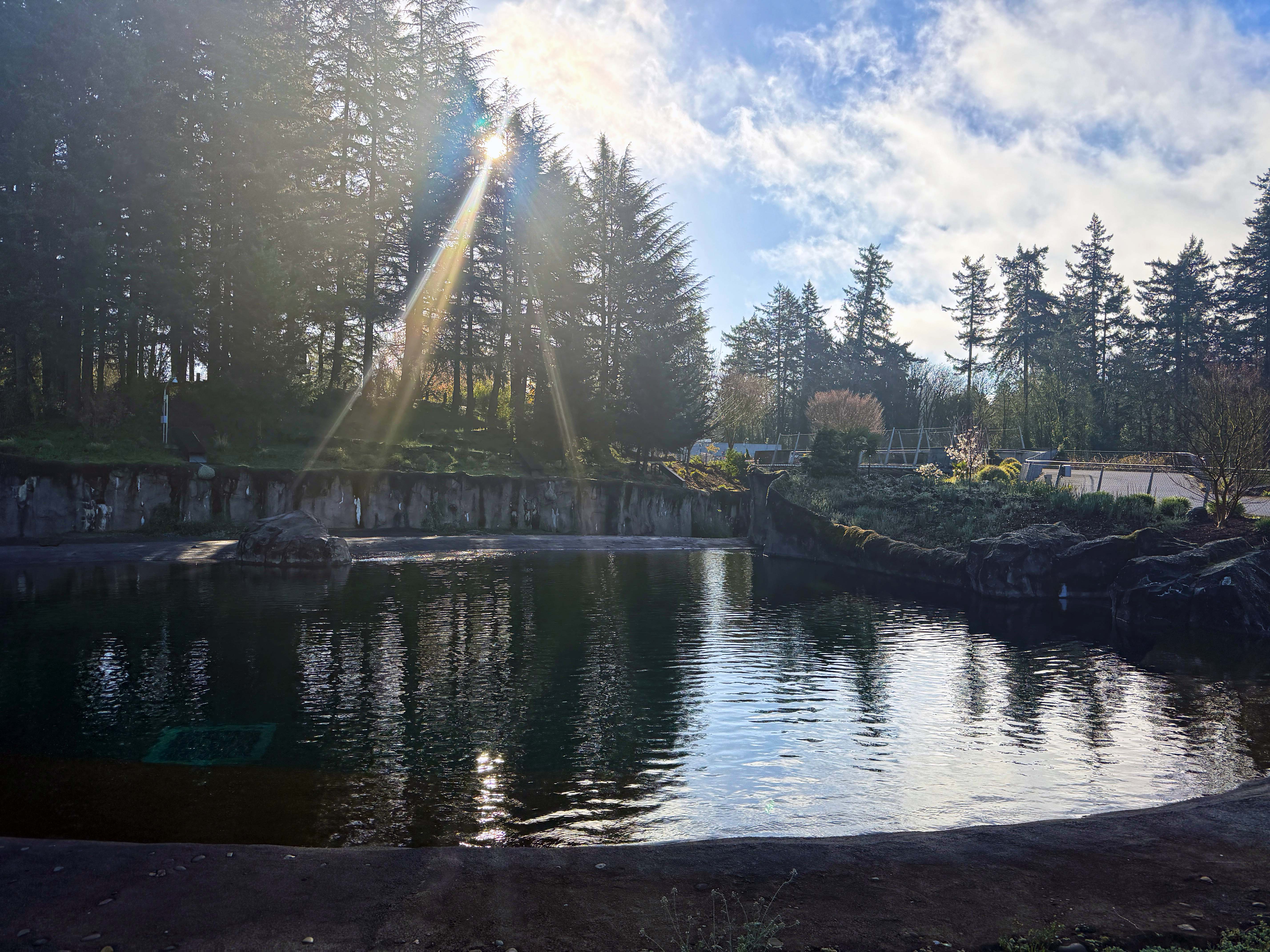
Elephant Lands — Observation, Identity, and Interpretation
At the Oregon Zoo’s Elephant Lands, the experience moves from distant observation to individual recognition and finally to interpretation within a museum setting. The environment, exhibits, and objects together shift the elephant from animal to subject shaped by culture, history, and human systems.
-
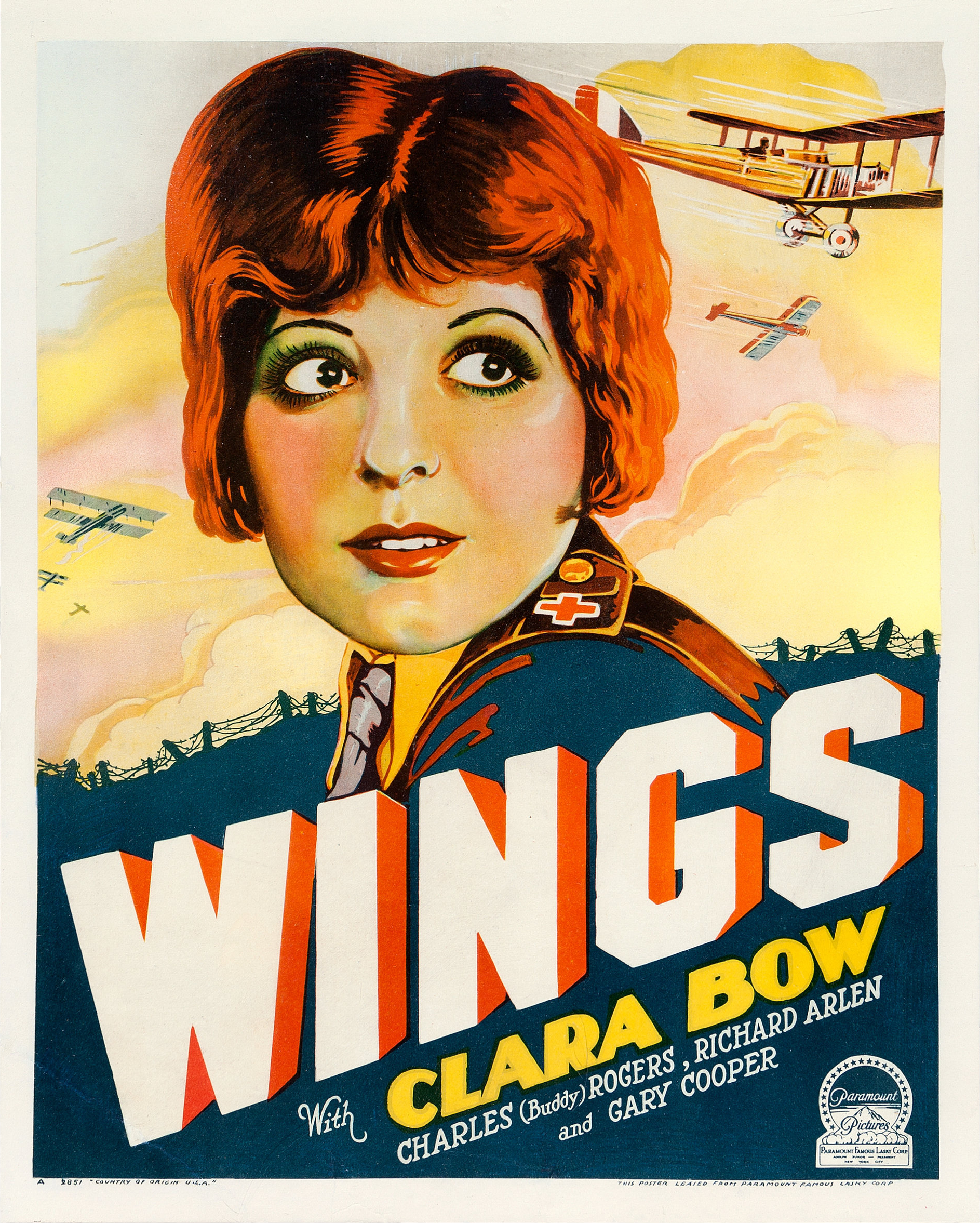
Seeing Clara Bow, Nearly A Century Later
—
Seeing a nearly 100-year-old film in a theater in 2026 creates a quiet contrast: the room is modern, while what unfolds on screen belongs to another century. Within that space, Clara Bow’s presence emerges not as something preserved, but as something that still feels immediate.
-
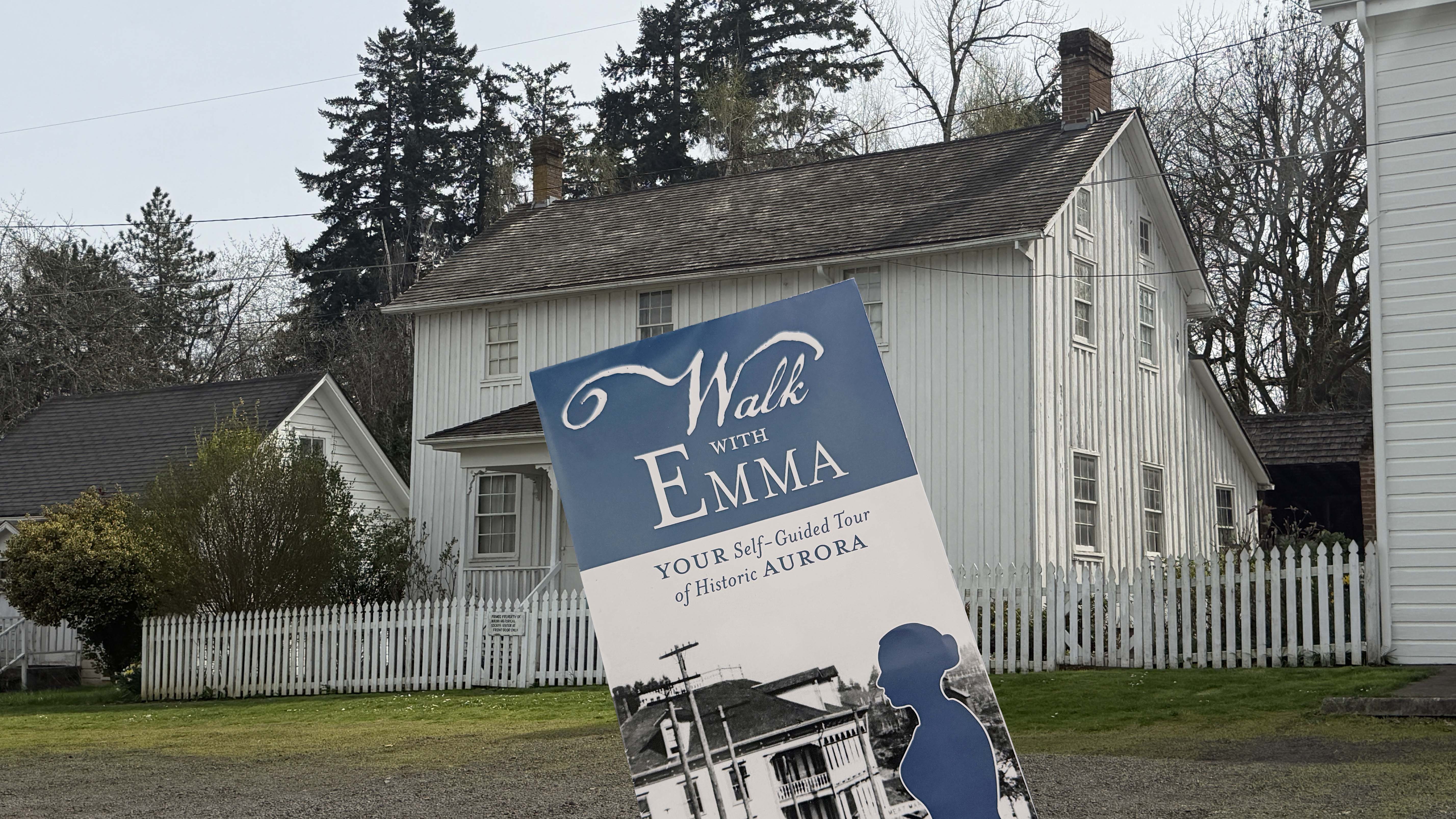
A Walk With Emma in Aurora
A self-guided walk through Aurora, Oregon becomes something quieter than a tour. Moving between preserved structures, reconstructed voices, and unmarked moments, the experience shifts from guided narrative to lived space—where history is not simply explained, but encountered, questioned, and gently reinterpreted.
-

A Bridge Without Cars
Tilikum Crossing removes private vehicles and, in doing so, alters how movement is experienced across the Willamette River. Observed in 2026 and set against its 2015 opening, the bridge reveals how design decisions reshape pace, use, and perception within the city’s daily flow.
-

Portland Aerial Tram — Movement, Infrastructure, and View
The Portland Aerial Tram presents movement as infrastructure rather than spectacle. From signage to system, the experience is structured as a sequence—orientation, ascent, and return—where the city becomes legible through distance and motion.
-
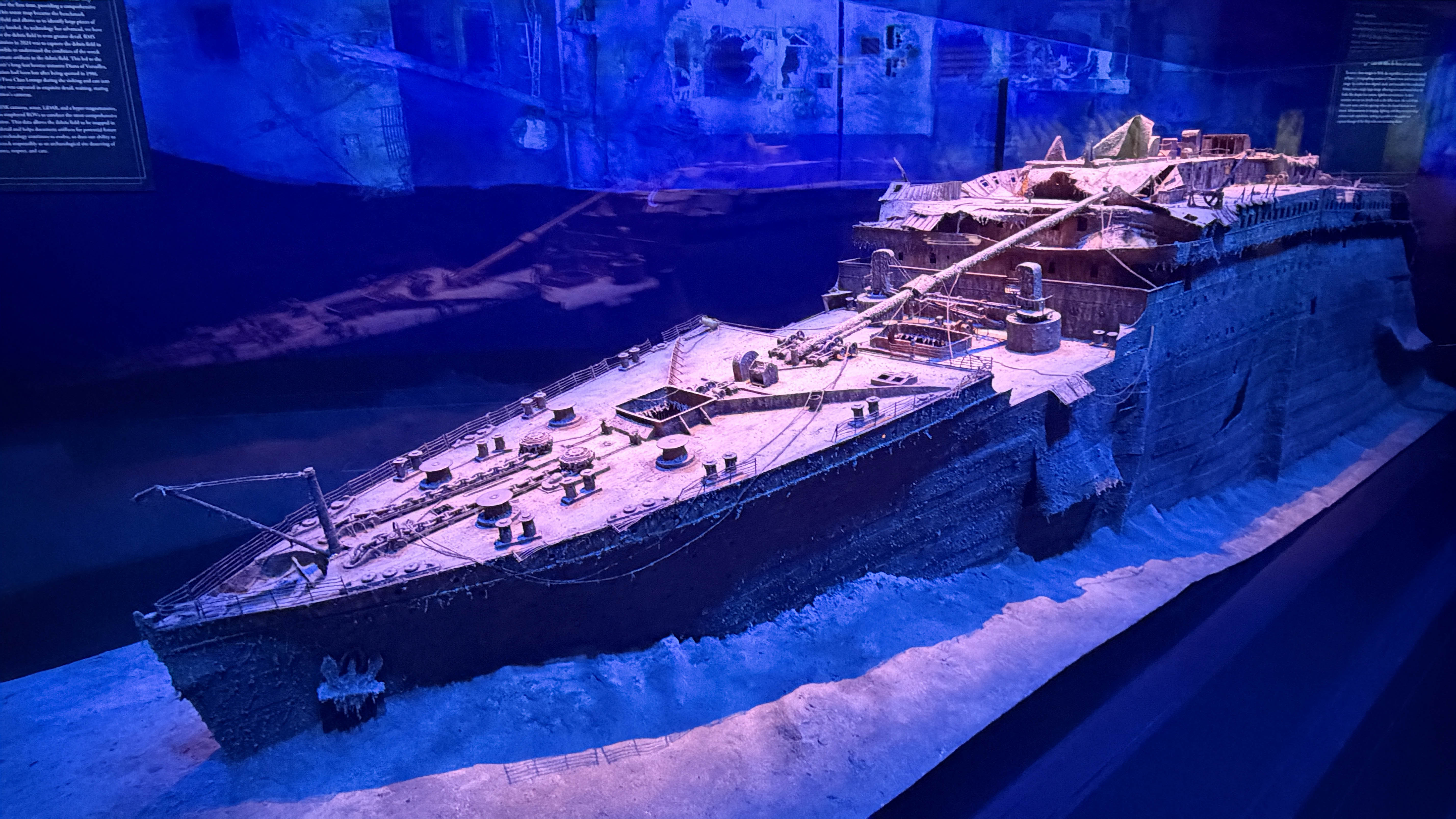
Reading the Wreck
The wreck of Titanic remains visible as structure rather than event. The bow retains its form; the stern does not. What is seen is not the moment of impact, but its continuation—pressure, depth, and time acting together as a sustained condition.
-
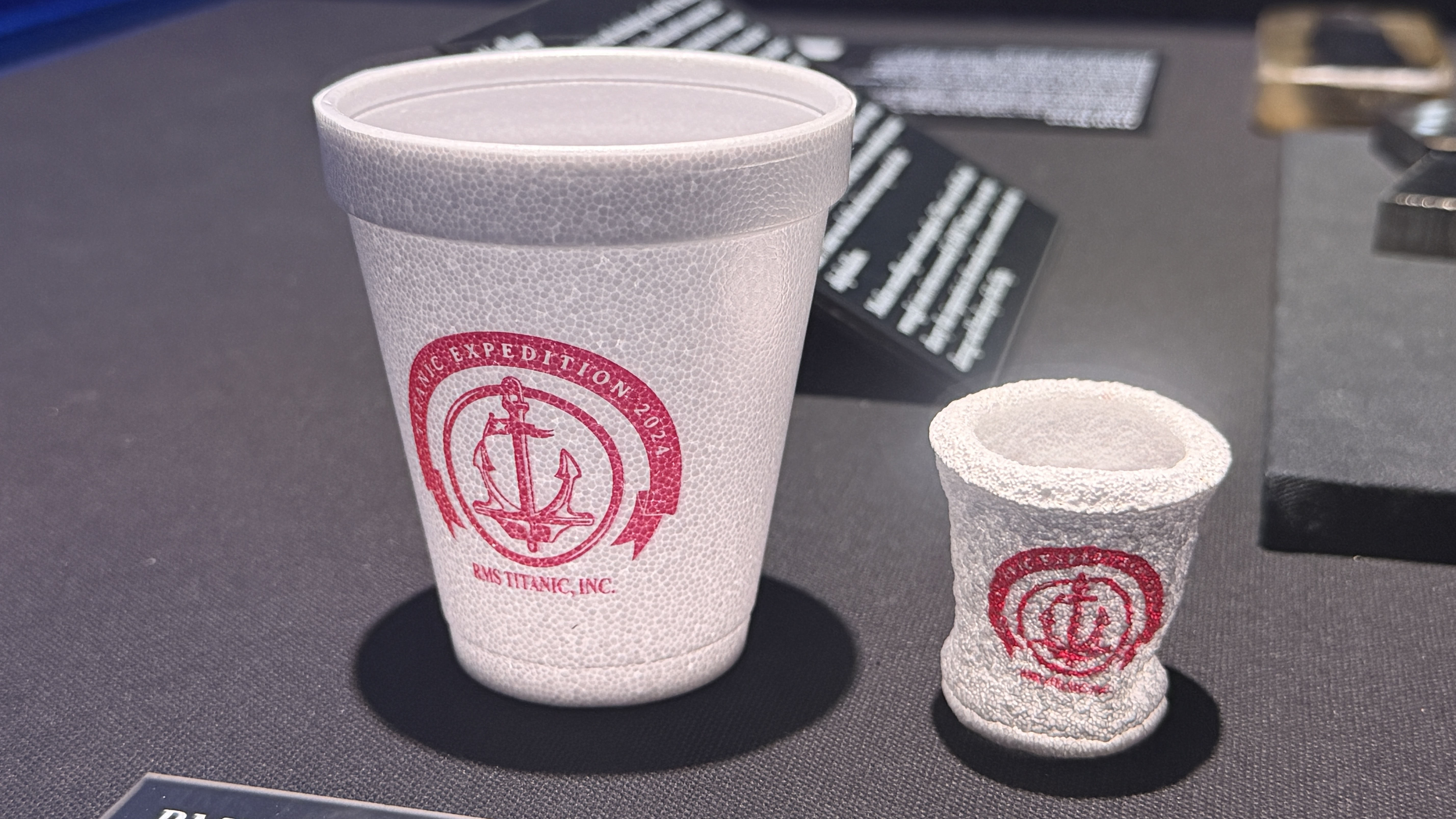
Compressed at Depth
A disposable cup, altered by extreme pressure, becomes a precise record of the environment surrounding the Titanic wreck. Compressed without distortion, it reveals the force of depth through absence. What appears to be damage is instead transformation—an object reshaped not by time, but by the sustained weight of the ocean.
-
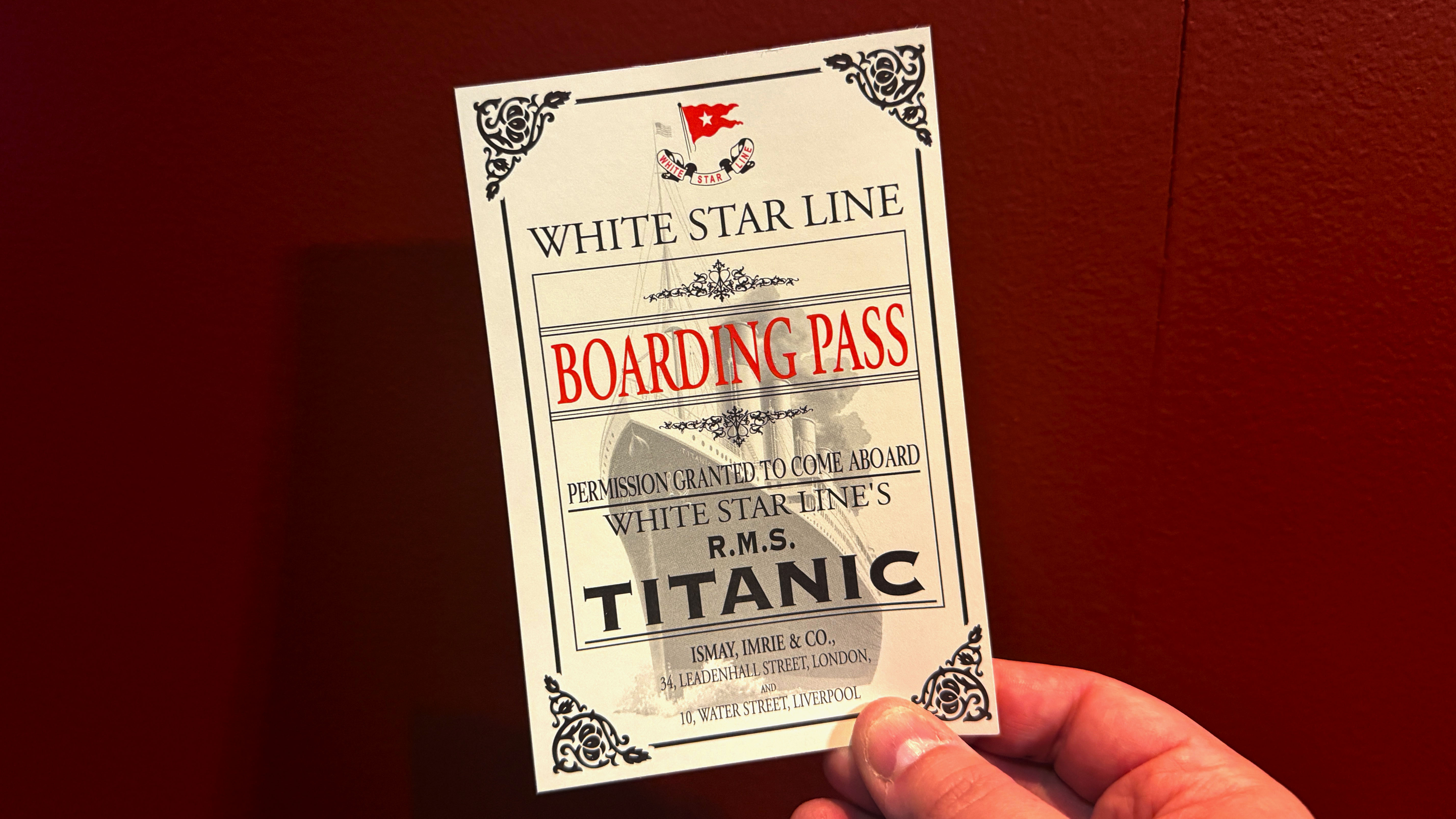
Her Boarding Pass — Identity and Assignment in the Titanic Exhibition
At the Titanic Artifact Exhibition, visitors are assigned the identity of a passenger through a boarding pass that structures the experience from entry to exit. Through reconstructed spaces, physical interaction, and recovered objects, the exhibition organizes the voyage into a sequence of identity, environment, and outcome.
-

The Midway Still Turns
In 2016, I rode a 100-year-old carousel at Oaks Park. It was free. I remember thinking only: “This is cool.” Ten years later, the photos feel steady. The horses still rise and fall. Some institutions endure without spectacle — simply by continuing to turn.
-

Before the Oregon Trail Ended Here
At the End of the Oregon Trail Interpretive Center, a plankhouse exhibit offers another perspective on Oregon City—one rooted in Chinook communities, permanent homes, and cultural traditions that existed long before overland migrants arrived.
-
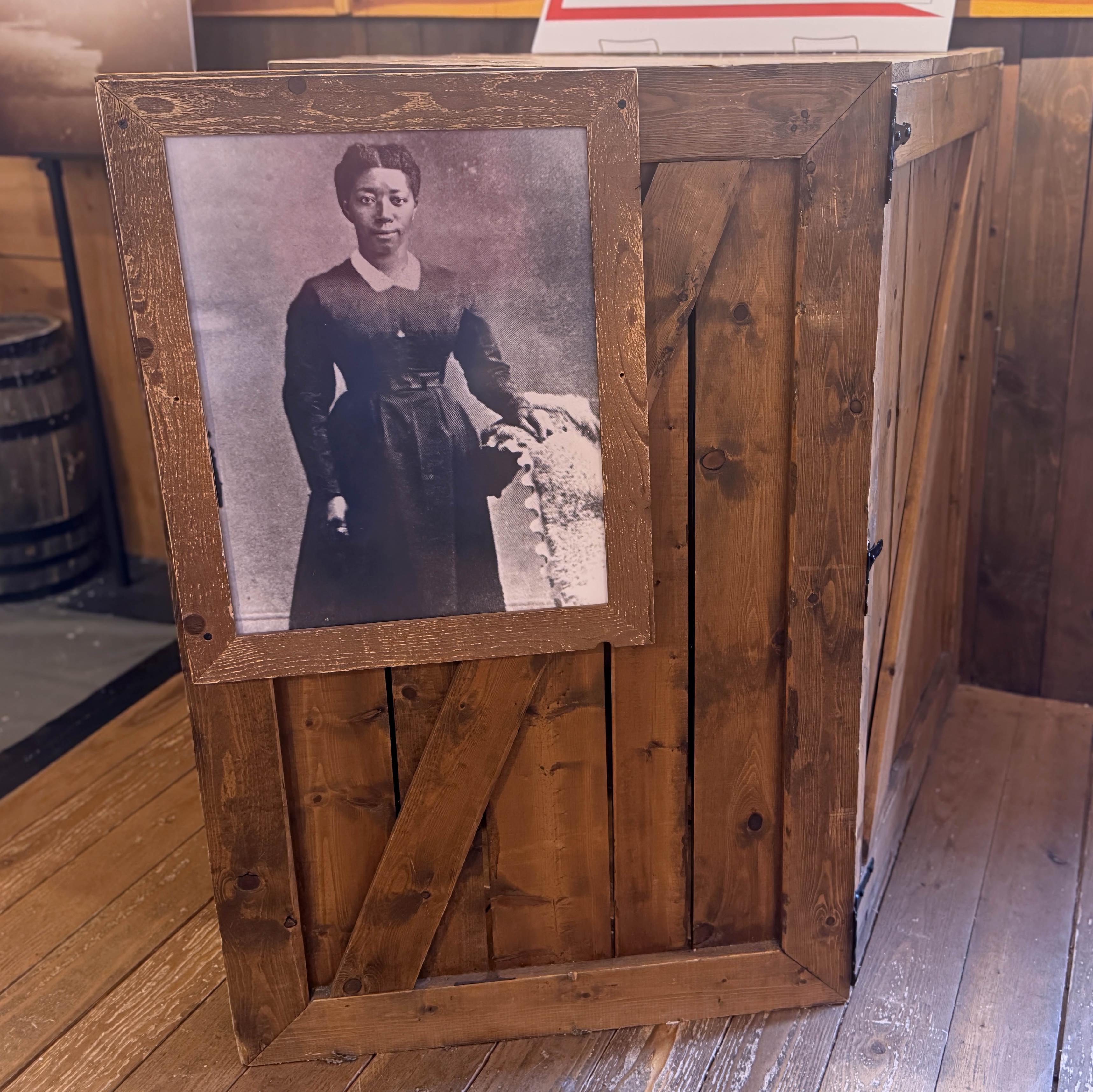
Rose Jackson and the Crate on the Oregon Trail
A reconstructed wooden crate at the End of the Oregon Trail Interpretive Center reframes westward migration through confinement rather than movement, revealing the conditions endured by Rose Jackson during her journey west in 1849.
-

Elizabeth Sawyer: The Real Woman Behind ‘Witch’
—
A matinee performance of “Witch” at Clackamas Community College led back to the real story of Elizabeth Sawyer, executed for witchcraft in England in 1621. More than four centuries later, her story continues to echo through theatre, raising questions about fear, reputation, and how societies treat those living at the margins.
You must be logged in to post a comment.