
Cultural Notes
Cultural Notes collects my personal observations on culture, art, performance, and the everyday moments that reveal how meaning is made. These pieces are not reviews or summaries, but considered reflections — written from attention, experience, and lived response.
-
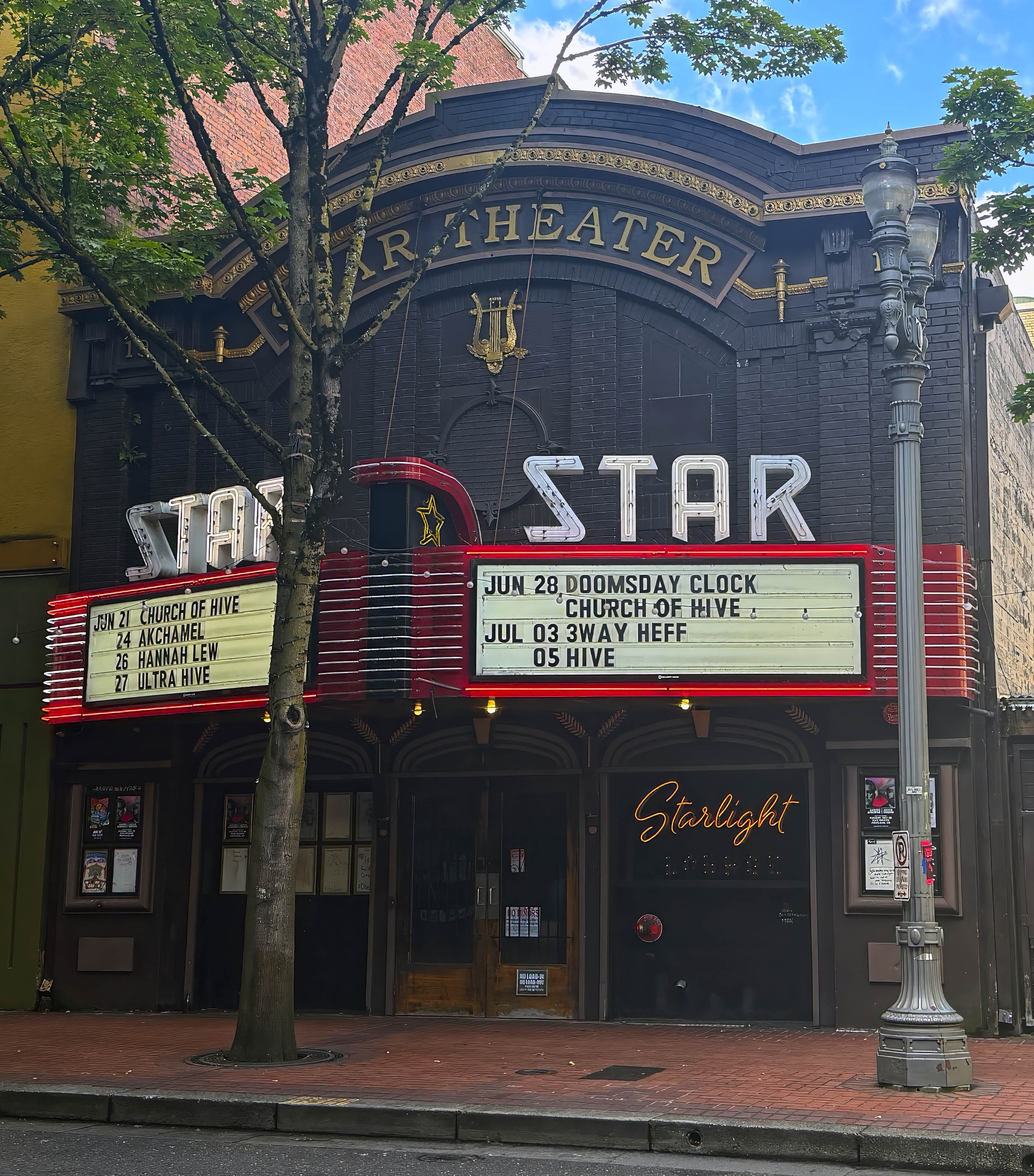
When the Star Was Burlesque
Behind the neon of Portland’s Star Theater is a history of burlesque, police inspections, a backstage warning system, and a rivalry once dubbed “The Battle of the G-Strings.” A photograph on Sixth Avenue sent me digging into one of downtown Portland’s more colorful theatrical pasts.
-
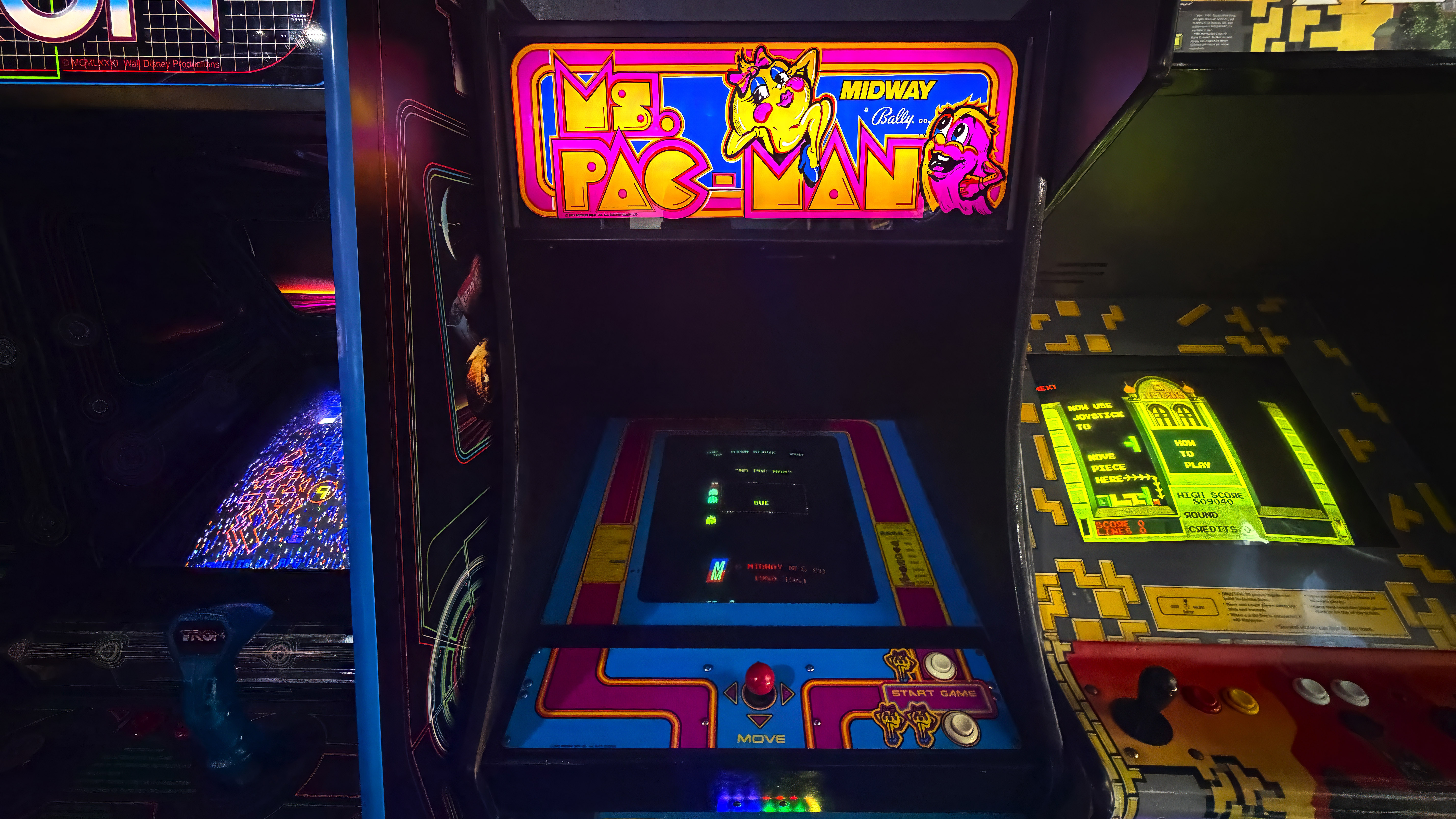
One Round of Ms. Pac-Man
More than four decades after its debut, Ms. Pac-Man remains remarkably unchanged. One game at a Portland arcade became less about chasing a high score than experiencing a piece of gaming history exactly as it was meant to be played.
-

Reading the Reasons
Walking around Powell’s City of Books’ banned books display, I stopped reading book titles and started reading the reasons beneath them. In that moment, the bookstore briefly felt less like a retail space and more like a museum gallery.
-
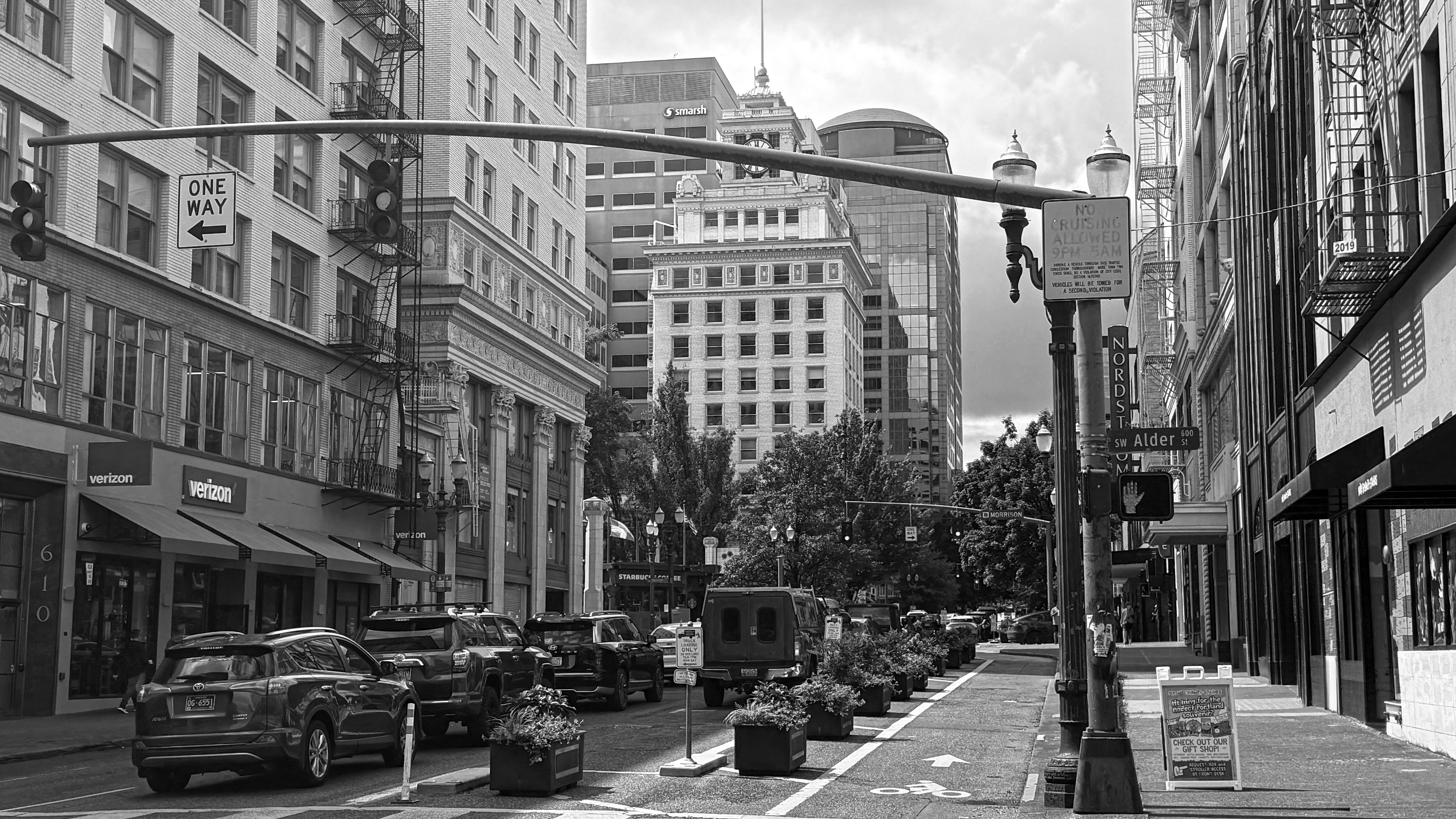
Portland’s Day Called “X”
I expected to watch a Cold War film. Instead, I found a remarkably authentic portrait of Portland in 1957, one that changed the way I looked at familiar streets, landmarks, and the city itself.
-

The Game Before the Game
The Portland Cascade took the field under a gray June sky in Hillsboro. As the game unfolded, my attention drifted away from the scoreboard and toward the sounds, routines, and rhythms that surrounded it — the parts of the game that often go unnoticed.
-

The Shelf Itself Was the Artifact
Walking through Powell’s City of Books, one bookshelf stopped me. It wasn’t because of a single title, but because of what the shelf itself had to say.
-
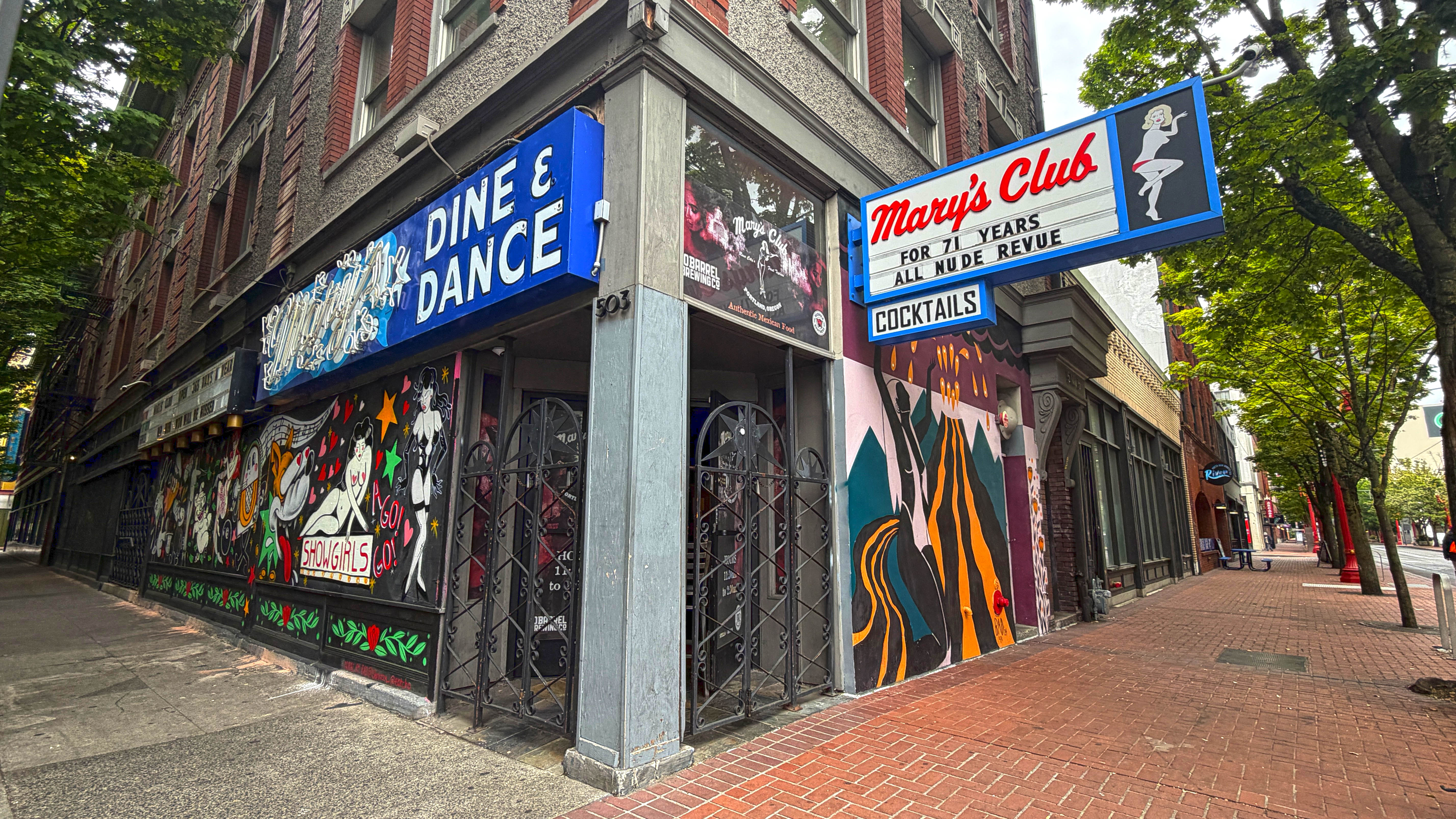
71 Years, Still Changing
A sign celebrating seventy-one years of history led to an unexpected question about change. From Mary’s Club to the 2020 Stripper March, a walk through downtown Portland became a reflection on longevity, evolving generations, and a story still being written.
-
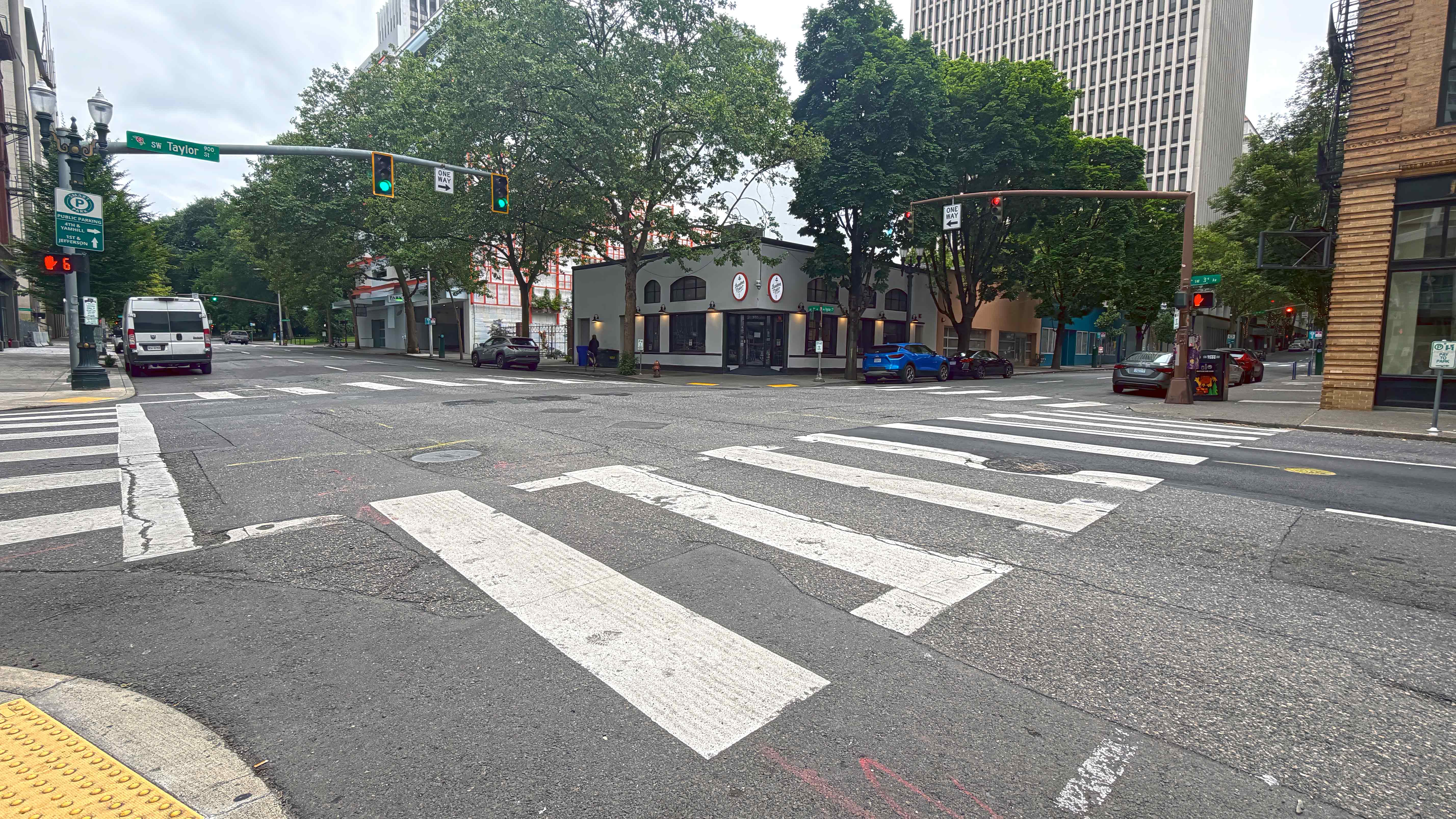
The Athena of SW 3rd and Taylor
At first glance, there is nothing remarkable about SW 3rd and Taylor. Yet this ordinary Portland intersection became the setting for one of the most recognizable photographs from Portland’s 2020 Black Lives Matter protests—and then quietly returned to being just another street corner.
-

Facing the Manor
A woman dressed in white sits beneath a canopy of trees facing a historic manor. What first appeared to be a peaceful landscape photograph gradually revealed itself as something else: an act of remembrance, witness, and reclamation.
-

Looking Back
Two Black women sit together. We don’t know their names. Yet months after leaving the gallery, I found myself still thinking about their presence in Emma Amos’s ‘To Sit (With Pochoir)’ and what it means to truly see another person.
-

History Without Glass Cases
After a morning spent reading museum labels, a walk through Portland’s Burnside Triangle revealed another kind of history. The Crystal Hotel, Pride Plaza, Harvey Milk Street, and a century of stories revealed layers hidden within a part of downtown I thought I already knew.
-
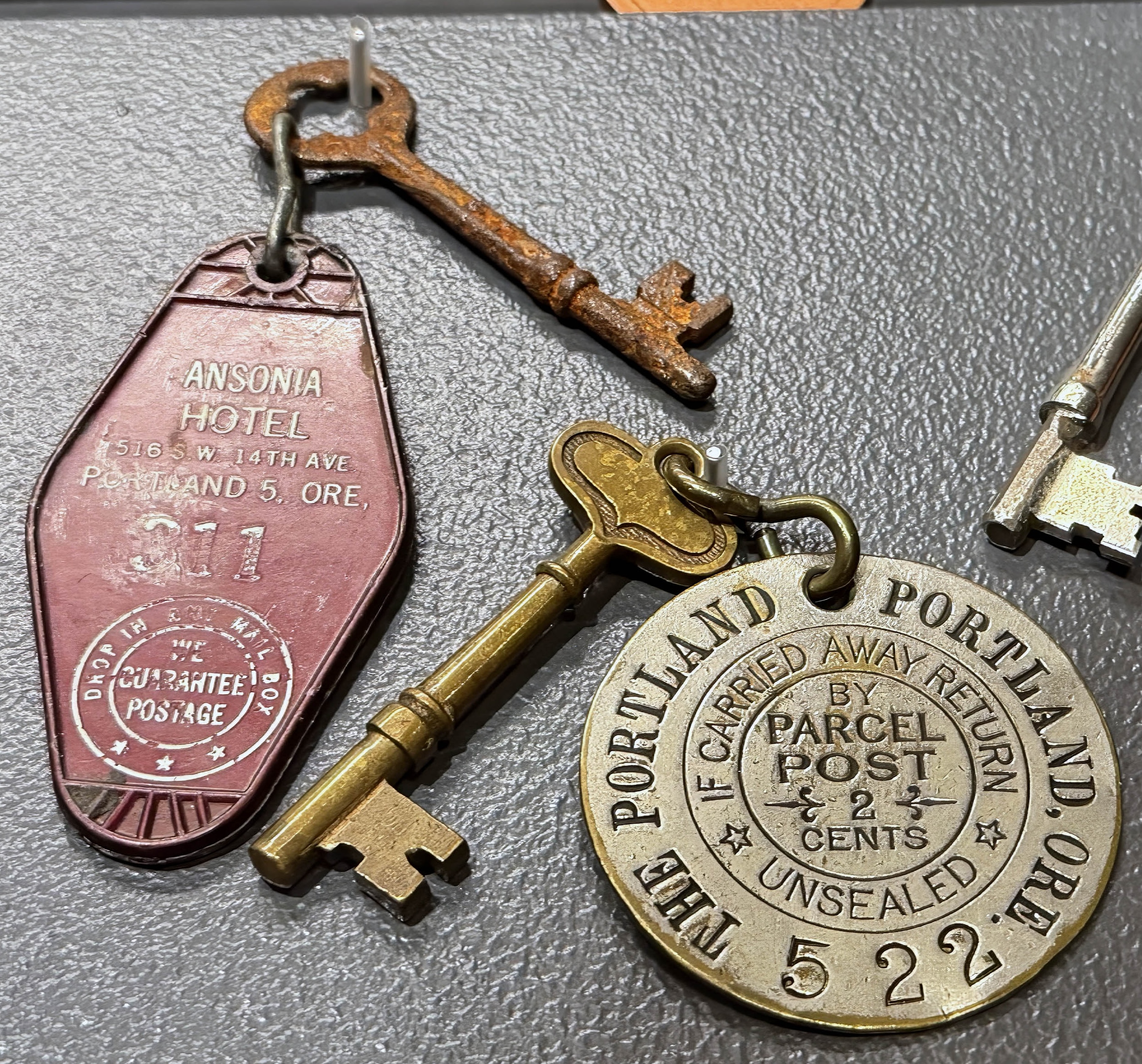
The Keys That Remained
Three hotel keys sit behind glass, all that remains of hotels that once welcomed thousands of travelers. The rooms are gone. The guests are gone. Yet these ordinary objects continue to point toward a Portland that no longer exists.
-

Why Not in Oregon?
A century-old suffrage handbill asks a simple question: “Why Not in Oregon?” Preserved behind glass, it captures a moment when women’s voting rights were not yet guaranteed and the future was still being argued for.
-

More Than Wartime Work
A Red Cross bag, an aviator’s cap, a welder’s mask, and a flight suit tell a story larger than war itself. Together, these artifacts reveal how generations of women moved from service and support into new forms of work, opportunity, and independence.
-

A Trolley Through What Survived
What survives after a place disappears? A ride aboard the Willamette Shore Trolley revealed a landscape of tunnels, photographs, stories, and a moss-covered staircase—the last visible remnant of a riverside destination long since lost to history.
-

Three Minutes Inside the Criterion Mobile Closet
I joined the Criterion Mobile Closet line in Portland and waited more than four hours for a three-minute visit. But the real experience wasn’t the truck—it was the conversations around it: film debates, collector rituals, and overheard jokes that turned a queue into a temporary community of cinephiles.
-

She Swam the Moat
—
A soaked princess swims a moat, gets mistaken for a chambermaid, and quietly destabilizes an entire kingdom simply by refusing refinement. Broadway Rose Theatre’s “Once Upon a Mattress” embraced physical comedy, theatrical chaos, and surprising tenderness beneath its fairytale absurdity.
-

A Mystery That Had Slipped Slightly Out of Reality
Inside a purple-blue black box mansion, detective fiction, internet fandom, student theater, and complete absurdity collided into something stranger, warmer, and far funnier than anyone in the audience seemed prepared for.
-

Before the Chandelier Fell
—
For several hours, Keller Auditorium ceased to feel like a theater in downtown Portland and became something suspended between architecture, memory, and illusion. Beneath chandeliers, curtains, and shadow, “The Phantom of the Opera” transformed physical space into a world that seemed temporarily detached from the city surrounding it.
-
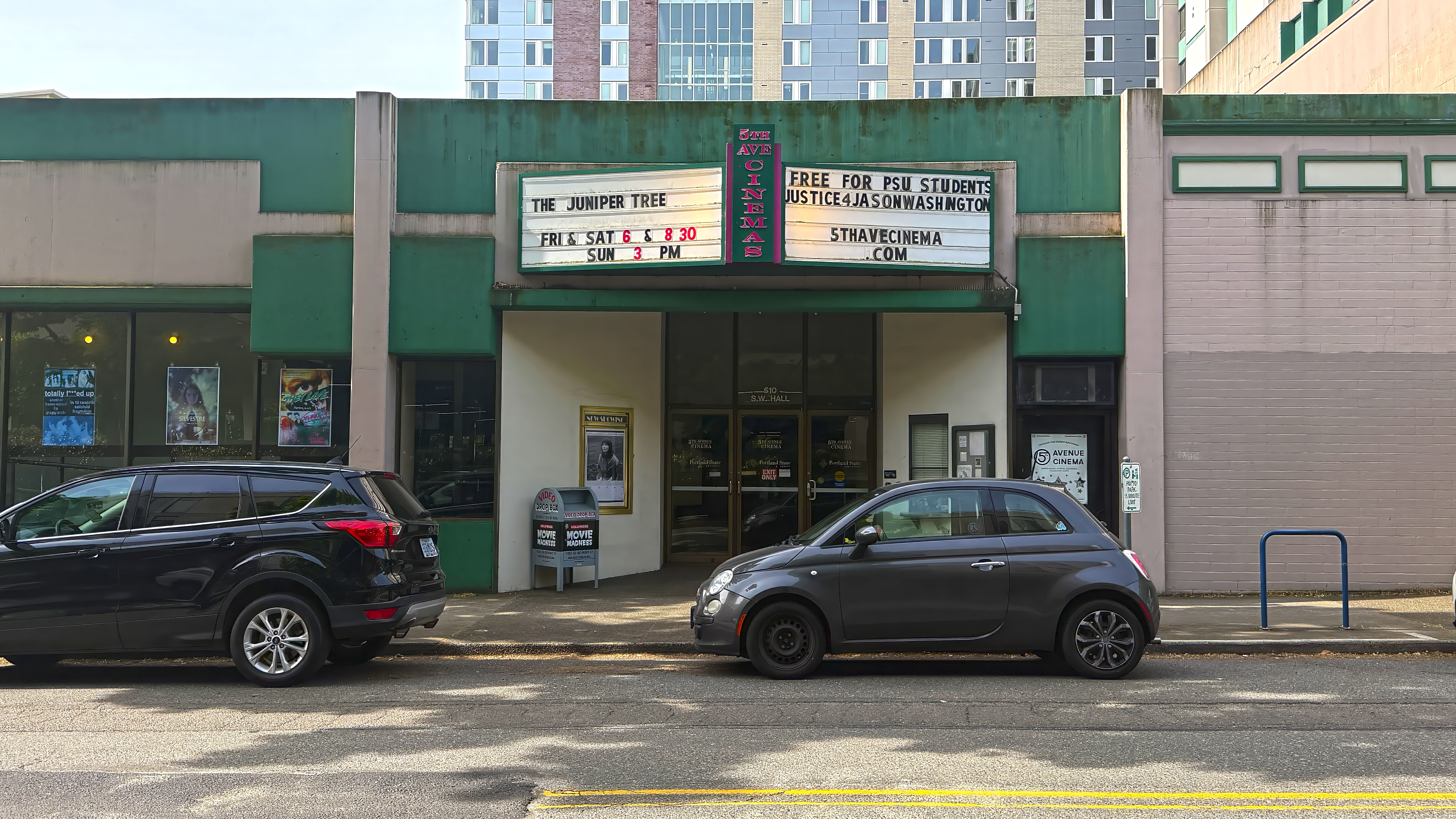
The Cinema Was Still There
The 5th Avenue Cinema was still there. A student-run repertory theater tucked beside SW Hall, screening “The Juniper Tree” on a warm Portland afternoon while downtown traffic passed by without slowing.
You must be logged in to post a comment.